 English
 中文简体
中文简体Logistics Transport Plastic Pallet Injection Mold
The plastic injection molded pallet mold for logistics and transportat...



A step in adapting a Plastic Commodity Mold is understanding the specific type of plastic being used. Common types include polyethylene (PE), polypropylene (PP), polystyrene (PS), and acrylonitrile butadiene styrene (ABS). Each material has unique properties, such as melting temperature, viscosity, and shrinkage rate, which directly affect molding performance.
Plastics respond differently to heat. For example, high-density polyethylene requires a lower processing temperature than ABS, while some engineering plastics like polycarbonate need precise thermal control to avoid deformation. Understanding these differences ensures the mold operates within suitable temperature ranges.
The viscosity of a plastic affects how easily it fills the mold. Low-viscosity materials flow quickly but may cause flash or uneven filling, while high-viscosity plastics need higher pressure and optimized gate design to ensure complete mold filling.
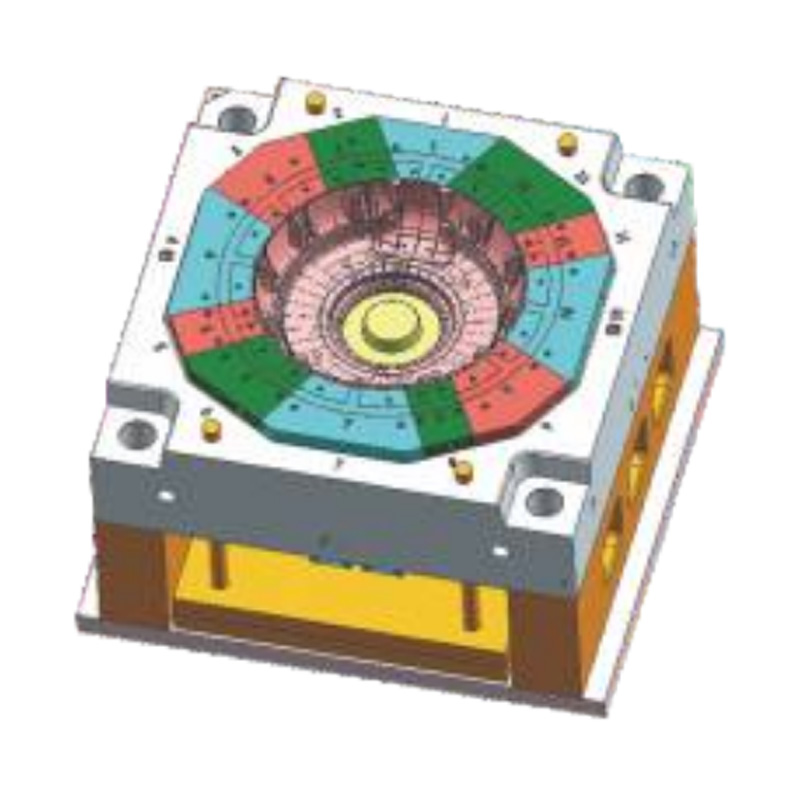
Depending on the plastic’s flow behavior, the gate size, location, and runner design can be modified to improve material distribution. Thin-walled products may require multiple gates or hot-runner systems to prevent premature solidification.
Temperature-controlled molds are essential for adapting to varying material properties. By adjusting cooling channels, mold surfaces, and heating zones, manufacturers can maintain uniform shrinkage and reduce defects such as warping or sink marks.
Different plastics release gases at different rates during molding. Incorporating adjustable vents helps prevent trapped air, which can cause voids or surface imperfections.
High-viscosity plastics may need increased injection pressure to ensure complete cavity filling, whereas low-viscosity plastics require careful pressure control to avoid over-packing and flash formation.
Fast injection is suitable for low-viscosity materials to prevent premature solidification, while slow injection may be necessary for heat-sensitive plastics to allow proper flow and prevent degradation.
Cooling times must be tailored to the material’s thermal properties. Overcooling can cause warping, and undercooling can cause dimensional instability. Fine-tuning cooling cycles ensures consistent product quality.
Materials like TPE or TPU require molds with smooth surfaces and precise venting to avoid stickiness and deformation during demolding.
High-strength plastics such as PA or PC demand molds with good thermal conductivity and resistance to high processing temperatures. Enhanced clamping force may also be necessary to handle higher injection pressures.
Composites with fibers or fillers may require larger gate sizes and modified runner systems to prevent clogging, ensure uniform distribution, and maintain structural integrity.
Frequent checks of the mold cavity, surface finish, and moving parts prevent defects that could worsen with material-specific challenges.
Monitoring injection parameters and product quality allows for continuous adjustments. By collecting data on shrinkage, warping, or flash formation, operators can refine mold settings for each type of plastic.
Running trial batches with different plastics helps determine the suitable settings and detect potential issues before full-scale production.
Adapting a Plastic Commodity Mold to diverse plastic materials requires a combination of understanding material properties, adjusting mold design, and optimizing processing parameters. Manufacturers who implement flexible strategies, including temperature control, gate adjustments, and continuous feedback monitoring, can ensure consistent quality across different plastics. By addressing the unique characteristics of each material, production efficiency improves, defects are reduced, and the mold’s service life is extended.
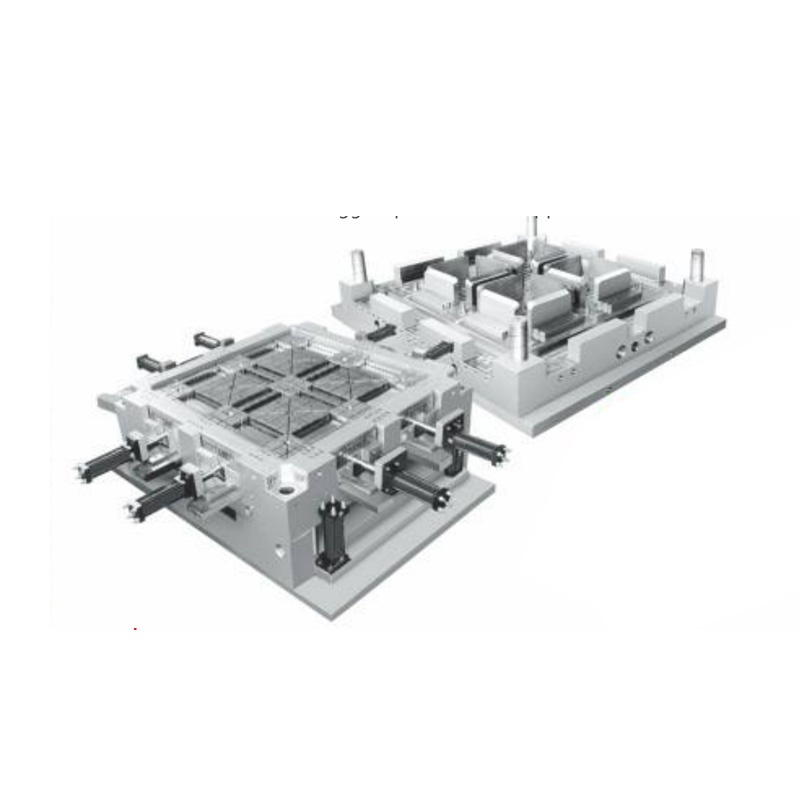
The plastic injection molded pallet mold for logistics and transportat...
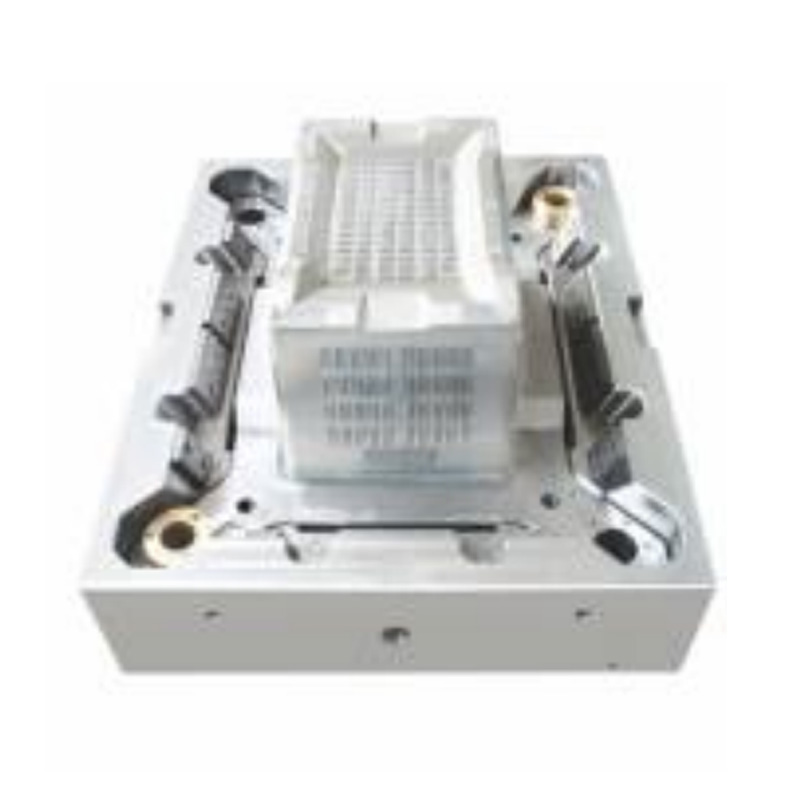
The hollow turnover box mold for agricultural products is specially de...
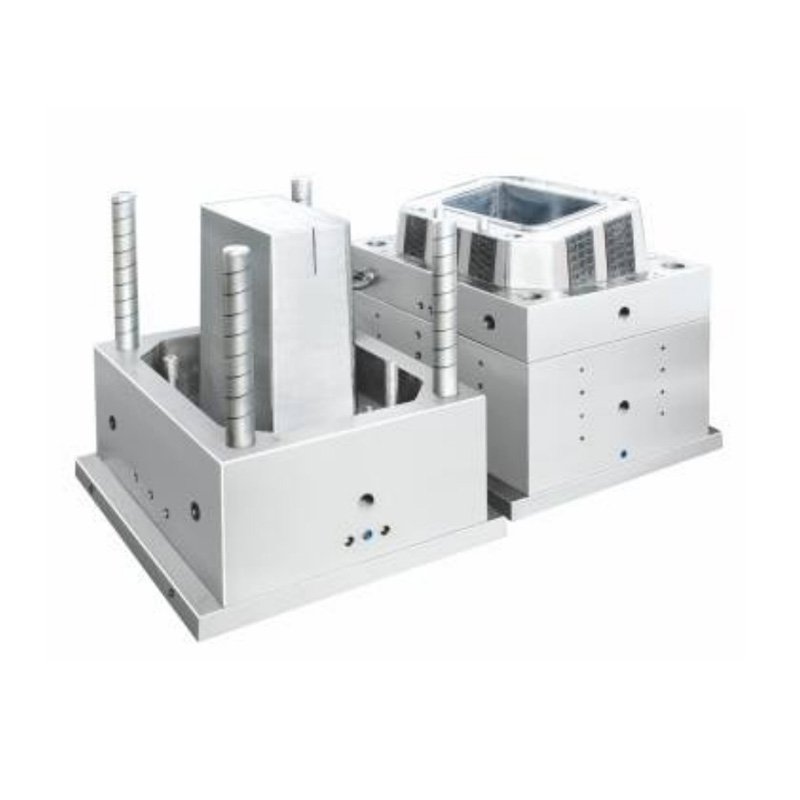
The stackable large-capacity outdoor trash can mold is specially desig...
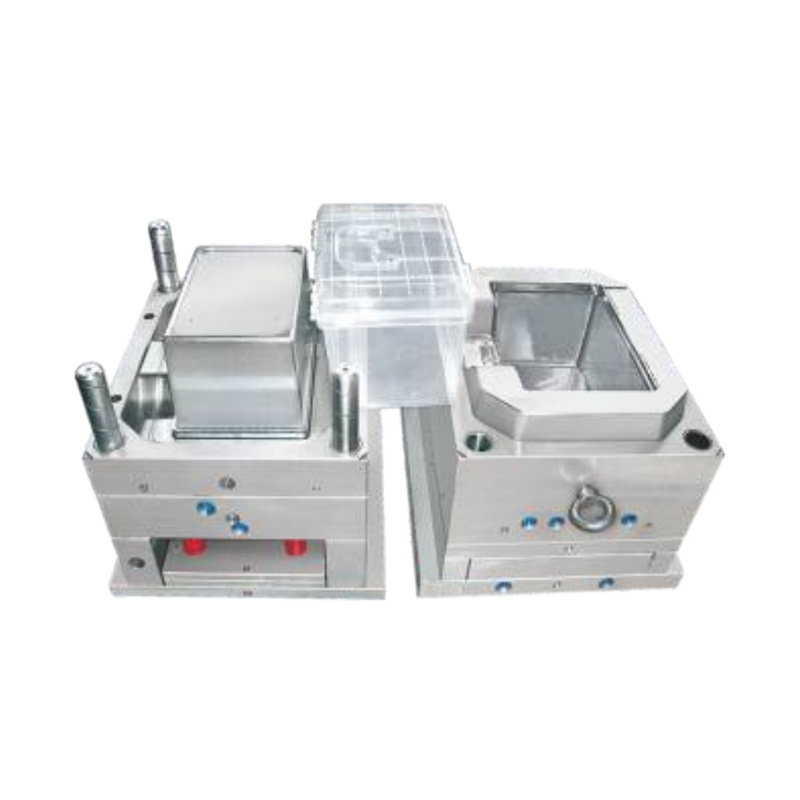
As a professional plastic mold manufacturer, Jingnan Mould has signifi...
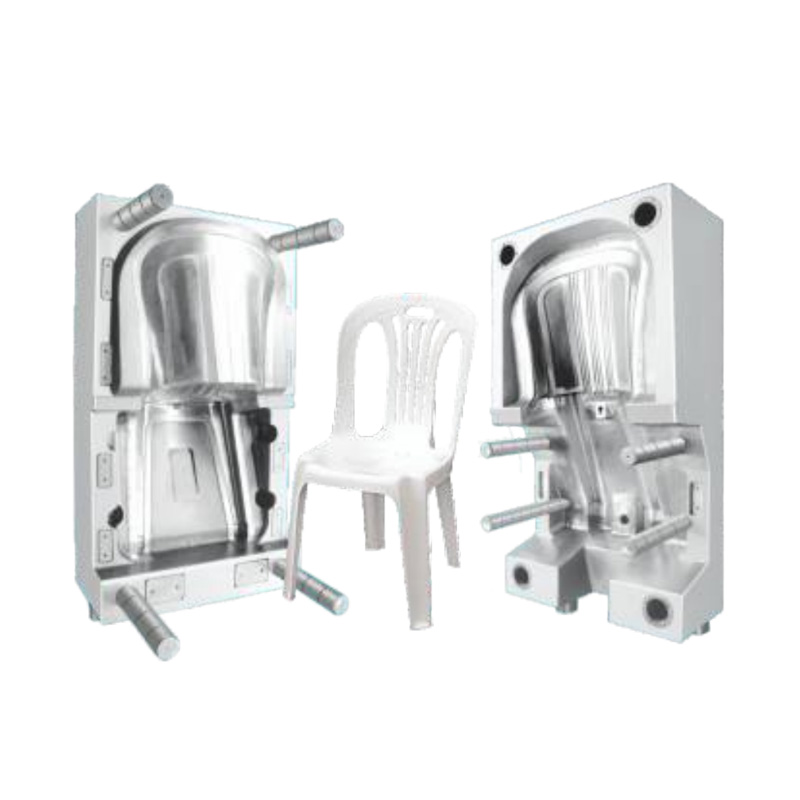
The armless plastic garden chair mold is a high-precision injection mo...
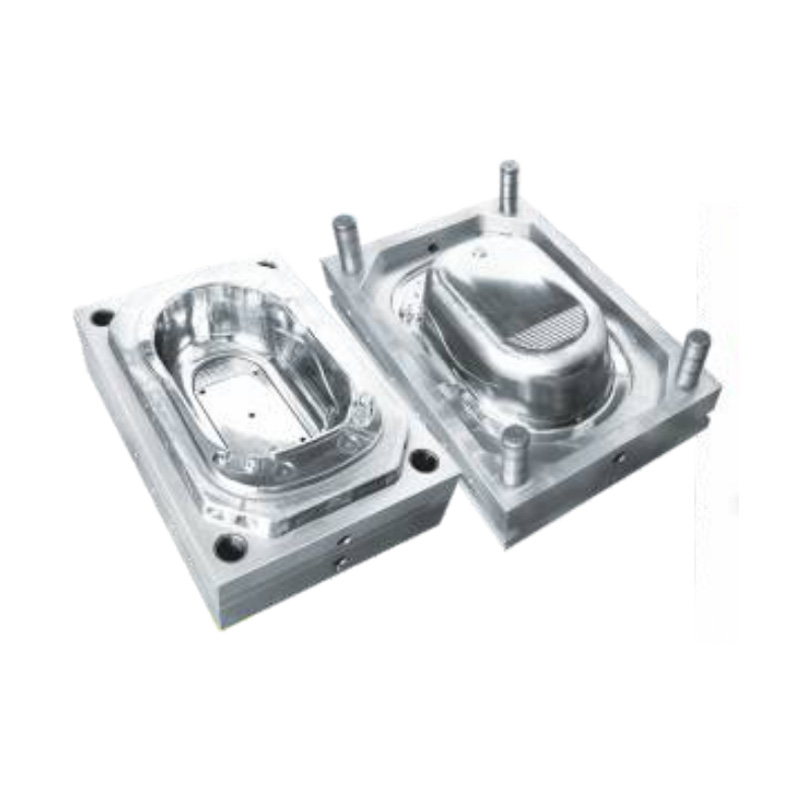
The safe and non-slip baby bathtub plastic mold is a high-precision mo...
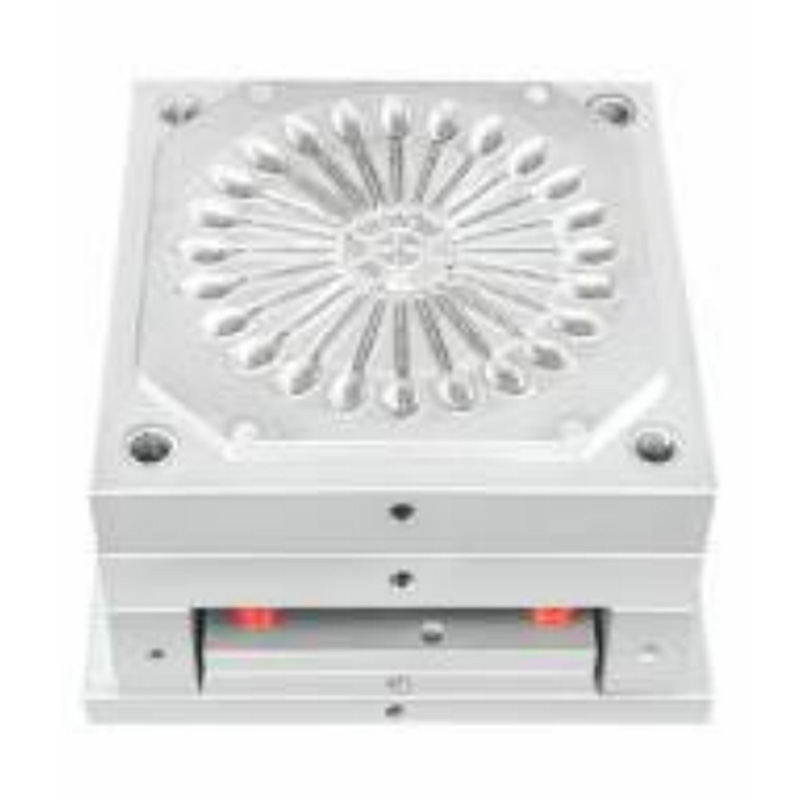
The hot and cold runner plastic cutlery spoon thin-wall mold is design...
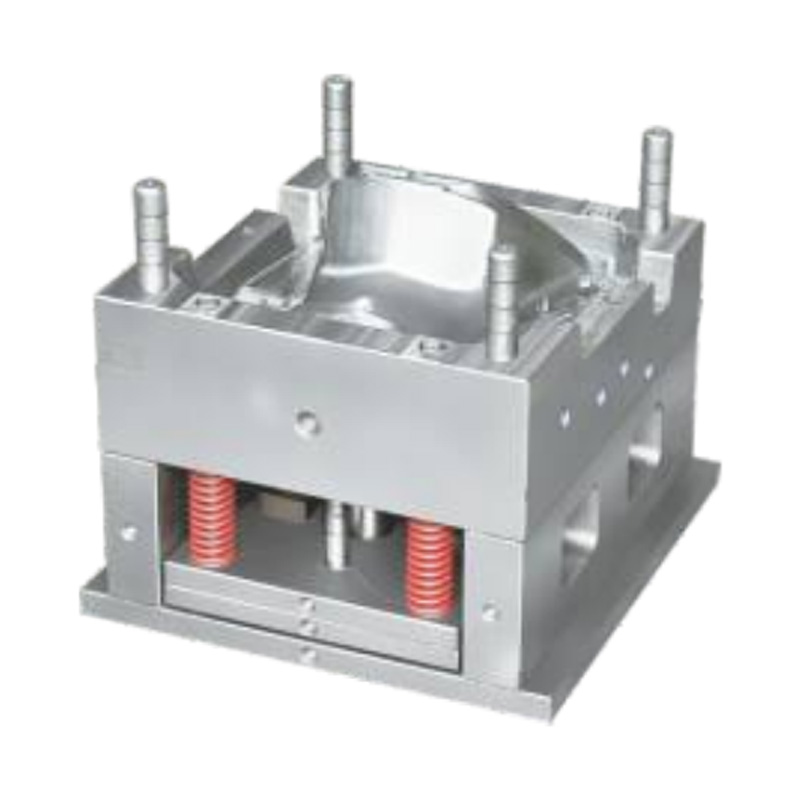
The motorcycle fuel tank cap plastic injection mold is a high-precisio...
Copyright © Taizhou Huangyan Jingnan Moulding Co., Ltd. All Rights Reserved

Plastic Injection Mold Manufacturer