 English
 中文简体
中文简体Twin-Tub Semi-Automatic Washing Machine Mold
The double-barrel semi-automatic washing machine mold is a high-precis...



Plastic Basket Molds are essential in the production of plastic baskets used in various industries, from retail to logistics. One of the key challenges manufacturers face is ensuring that the mold can adapt to different plastic materials. The ability of a Plastic Basket Mold to efficiently process various materials is crucial for optimizing production and maintaining high-quality standards.
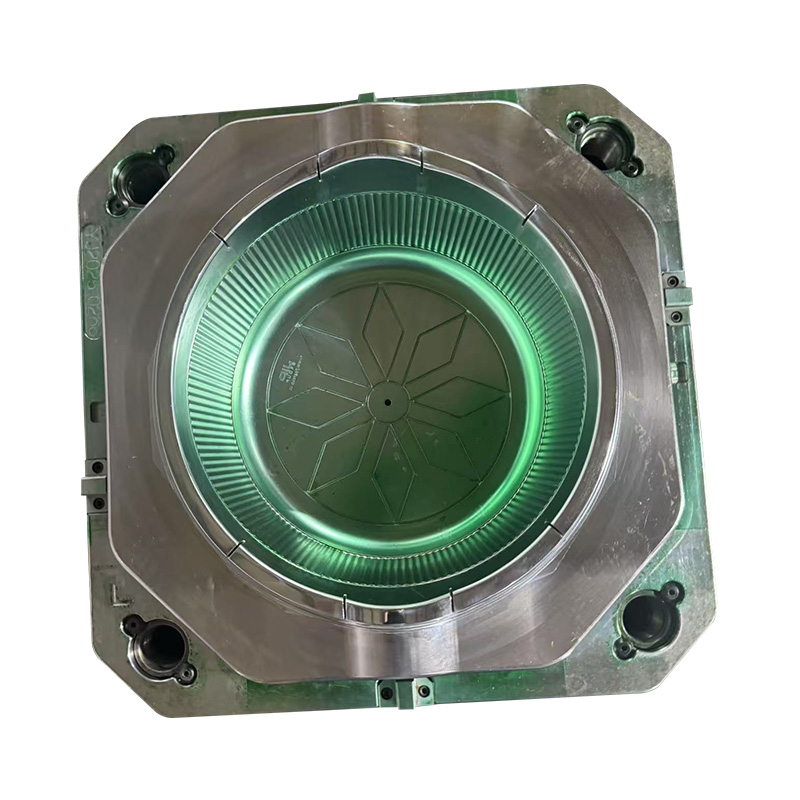
Polyethylene is one of the commonly used plastics for manufacturing baskets due to its flexibility, durability, and resistance to chemicals. The Plastic Basket Mold must be designed to handle the relatively low melting point of PE to ensure smooth material flow. The mold must also accommodate the material’s tendency to expand and contract during cooling to prevent warping or shrinkage.
Polypropylene is another widely used material known for its strength and resistance to fatigue. PP typically requires higher processing temperatures compared to PE. Therefore, the cooling channels in the Plastic Basket Mold must be optimized to manage the higher thermal load. Adjustments in mold temperature control are essential for achieving uniform shrinkage and avoiding issues like surface imperfections.
PVC is often used for its rigidity and ability to form intricate details. When processing PVC, the Plastic Basket Mold must be equipped with a heating system capable of maintaining a suitable temperature to prevent premature solidification. Additionally, the mold should have enhanced ventilation to allow the release of gases produced during the injection process, ensuring a smooth finish and preventing air pockets.
The ability to control temperature precisely is critical when working with different plastics. For instance, while PE may require lower mold temperatures, PP and PVC demand higher temperatures during the injection and cooling phases. A Plastic Basket Mold should be designed with adjustable temperature settings to optimize material flow, ensure consistent quality, and reduce cycle time.
Cooling is equally important for material processing, particularly with plastics like PP and PVC, which need slower cooling rates to achieve suitable mechanical properties. The design of cooling channels in the Plastic Basket Mold should be customized to suit the thermal characteristics of the material being used, ensuring uniform cooling and reducing the risk of distortion.
The Plastic Basket Mold should have an efficient injection system that accounts for the viscosity of the plastic material. For example, PP and PVC are more viscous than PE and may require higher injection pressures to ensure even filling of the mold. The gating system should be optimized to handle varying material viscosities, preventing issues like uneven filling or short shots.
Adapting a Plastic Basket Mold to different plastic materials requires careful consideration of material properties, mold design, and processing conditions. By optimizing temperature control, cooling systems, and material flow, manufacturers can ensure that their molds can handle a variety of plastics effectively. Tailoring the mold to meet the specific needs of different materials is essential for creating durable and high-performance plastic baskets.
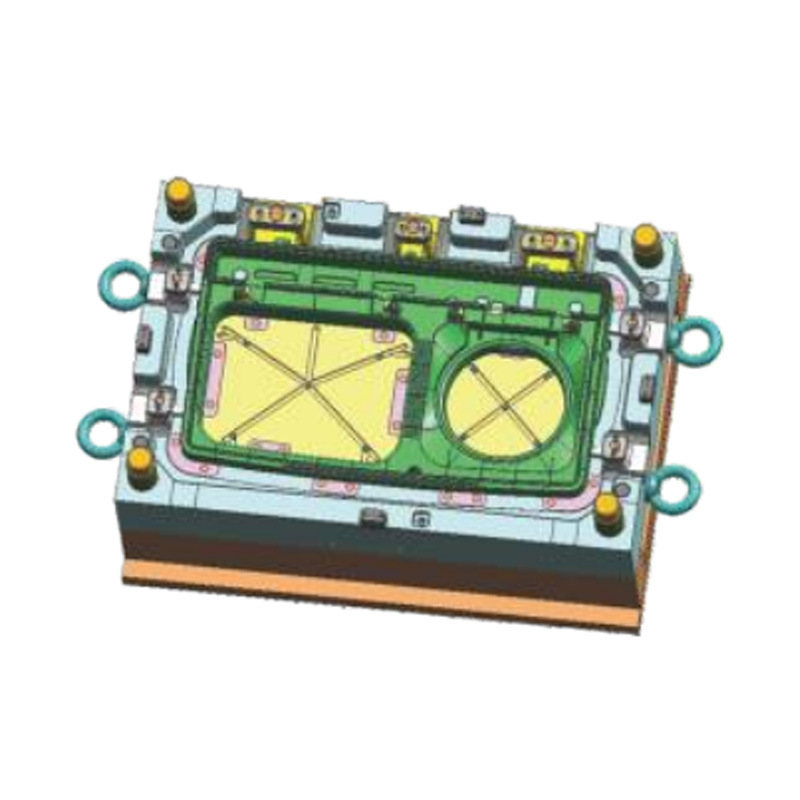
The double-barrel semi-automatic washing machine mold is a high-precis...

Single-barrel spin-drying washing machine molds are mainly used to pro...
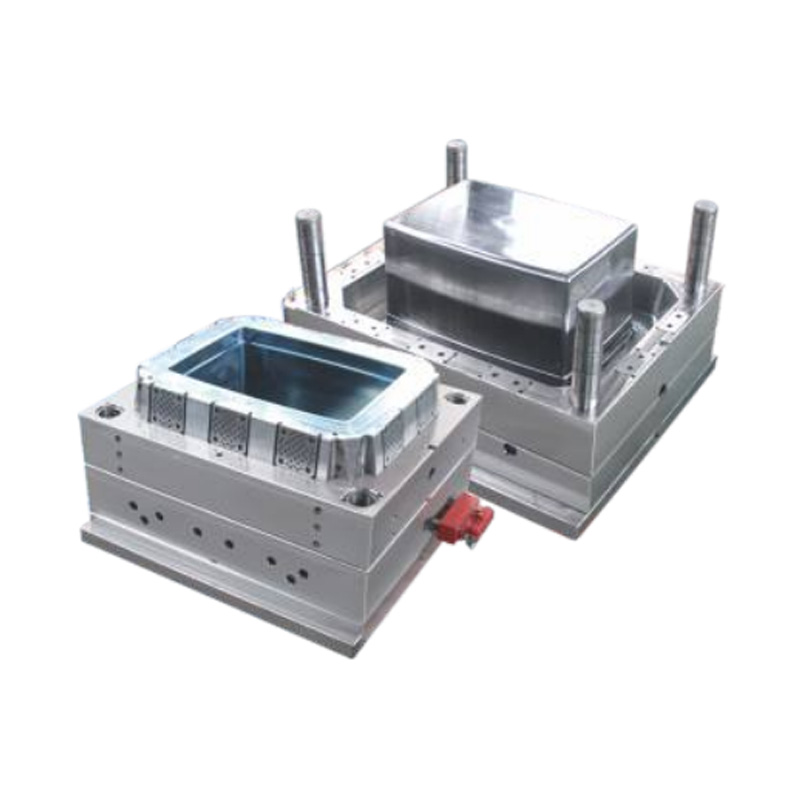
The plastic storage box with handle storage mold is specially designed...
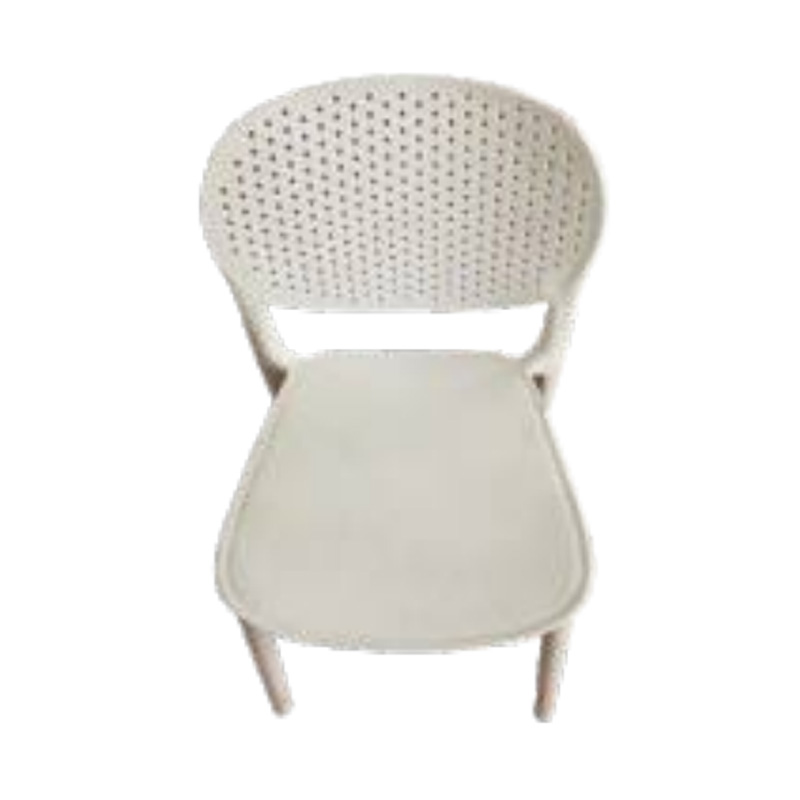
The armless plastic chair mold for reception is a high-quality injecti...
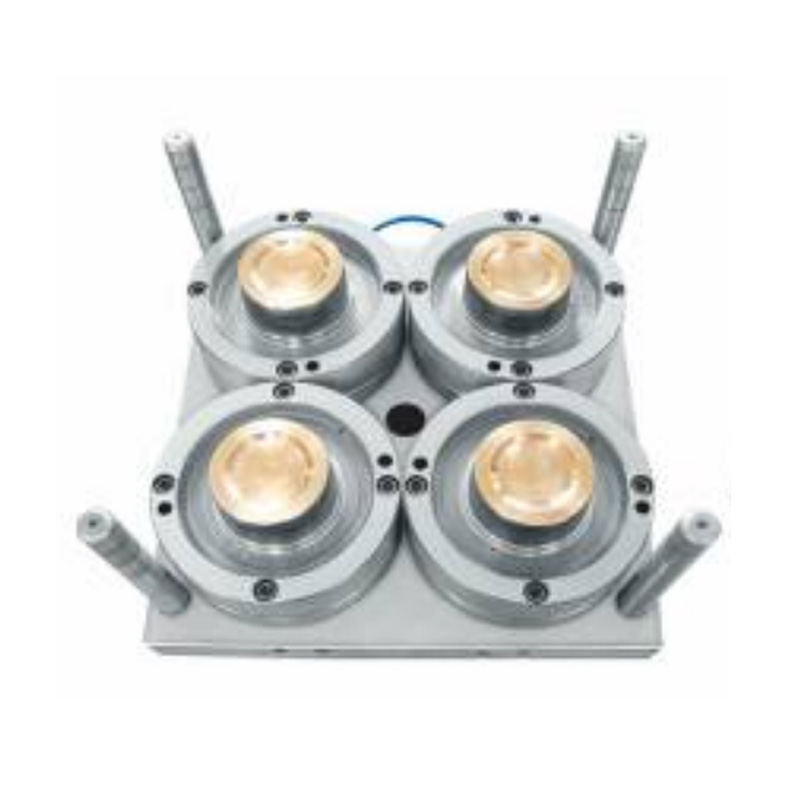
The manufacturing process of thin-wall injection molds for round food ...
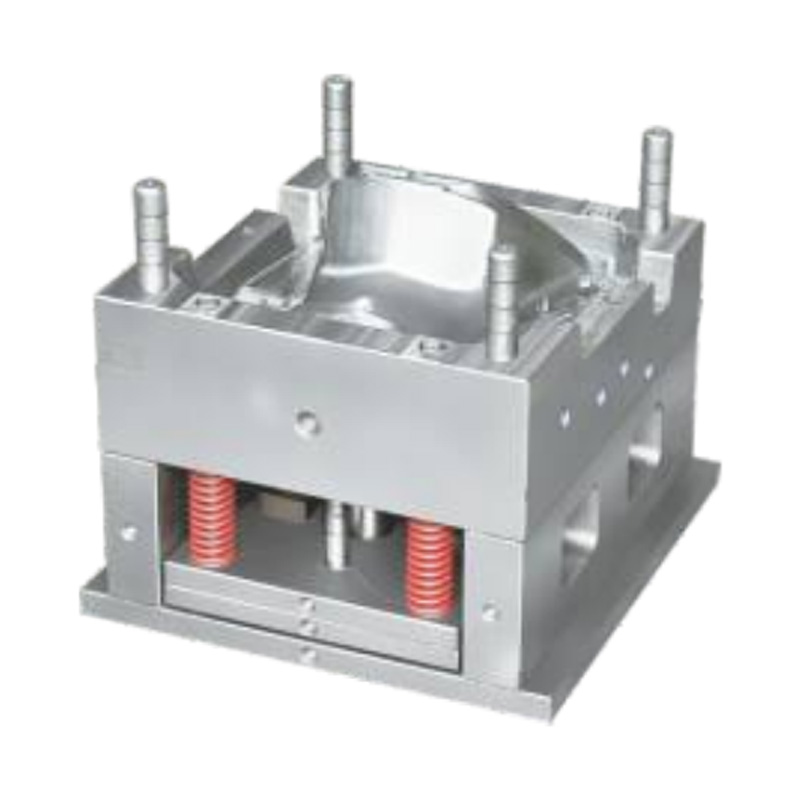
The motorcycle fuel tank cap plastic injection mold is a high-precisio...
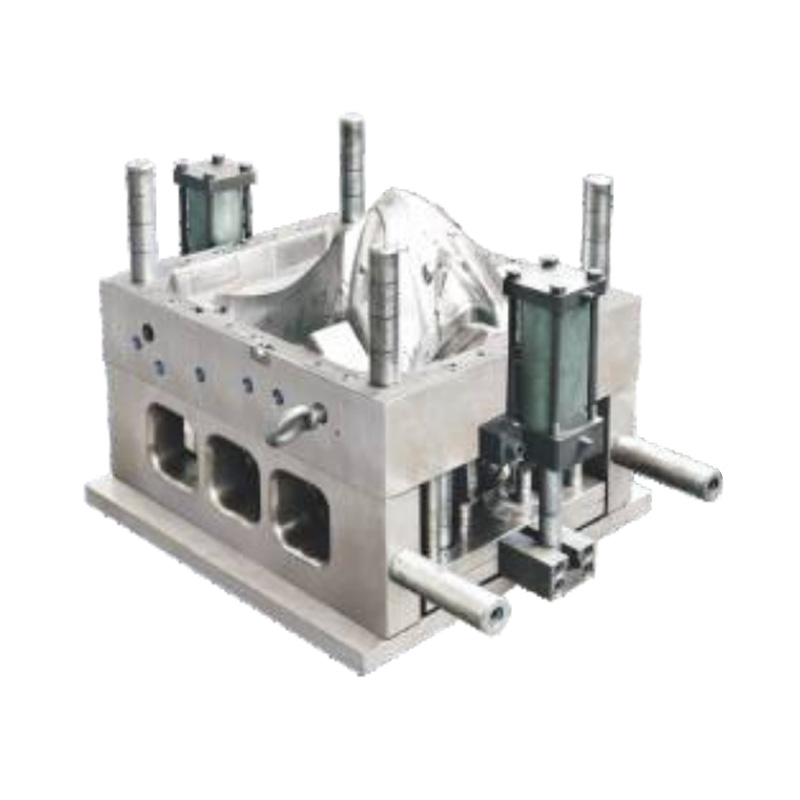
The motorcycle fairing kit plastic mold is a high-performance mold pro...
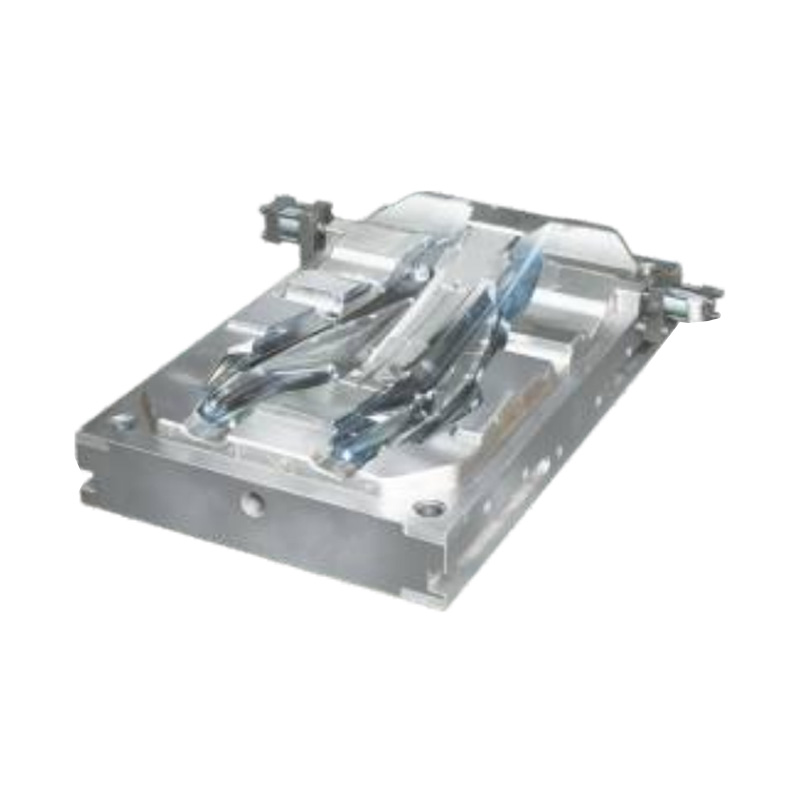
The motorcycle rear tail seat side cover plastic mold is a high-precis...
Copyright © Taizhou Huangyan Jingnan Moulding Co., Ltd. All Rights Reserved

Plastic Injection Mold Manufacturer