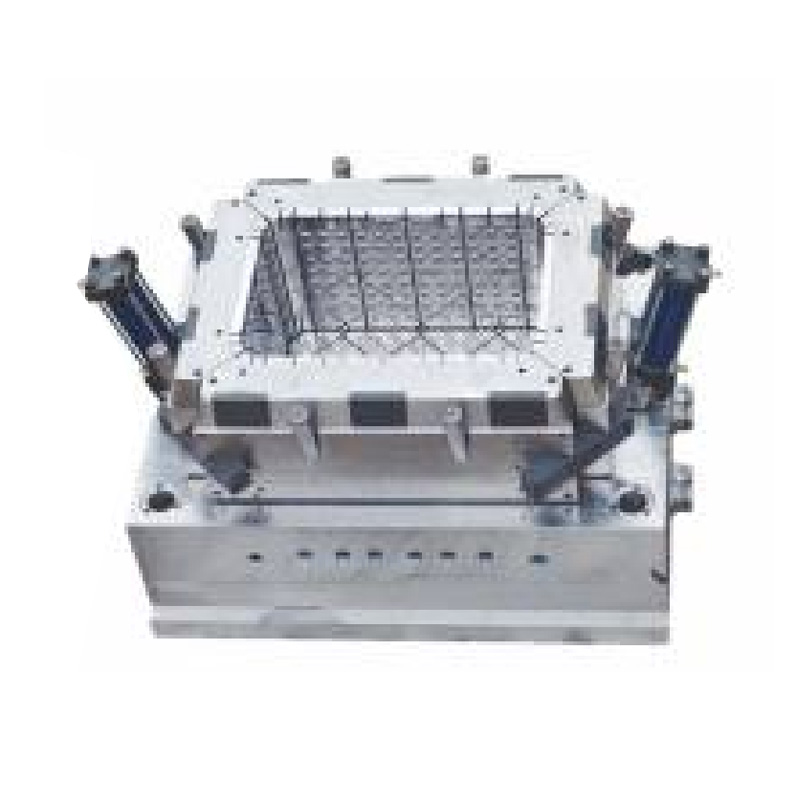
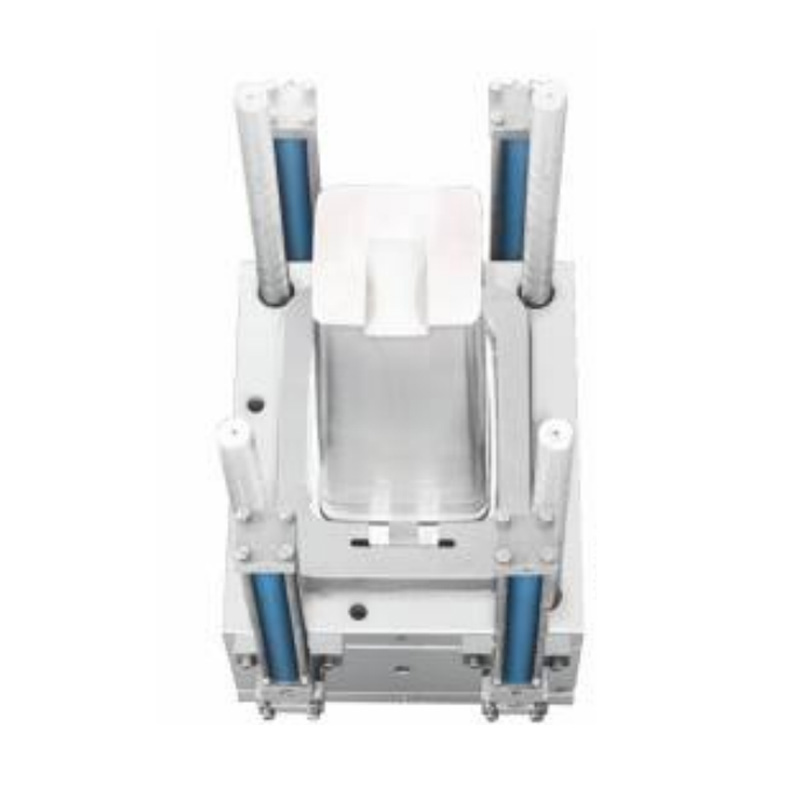
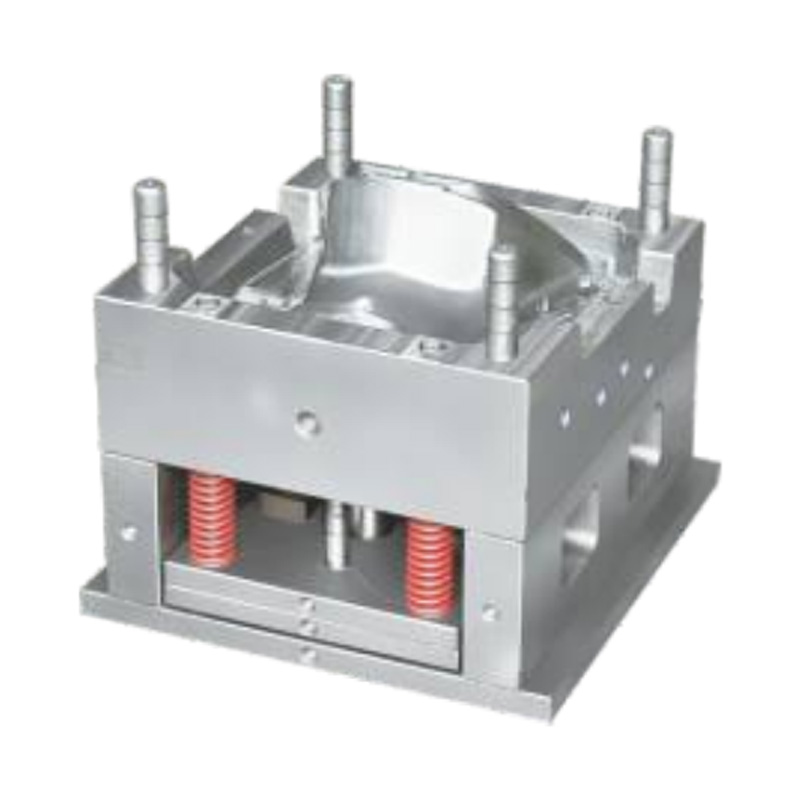
Understanding Surface Defects in Large Molds
In Plastic Trash Can Mold production, weld lines and cold slug marks are two of the common surface defects affecting both structural strength and visual appearance. Because trash cans are typically large, thick-walled products made from materials such as HDPE or PP, molten plastic must travel long distances inside the cavity. When two melt fronts meet at insufficient temperature or pressure, weld lines form. Similarly, cold slugs occur when cooled material from the nozzle or runner system enters the cavity and disrupts the smooth flow of molten resin.
Plastic Trash Can Mold systems require optimized flow design, temperature control, and structural layout to ensure uniform filling and prevent these defects from appearing on visible surfaces.
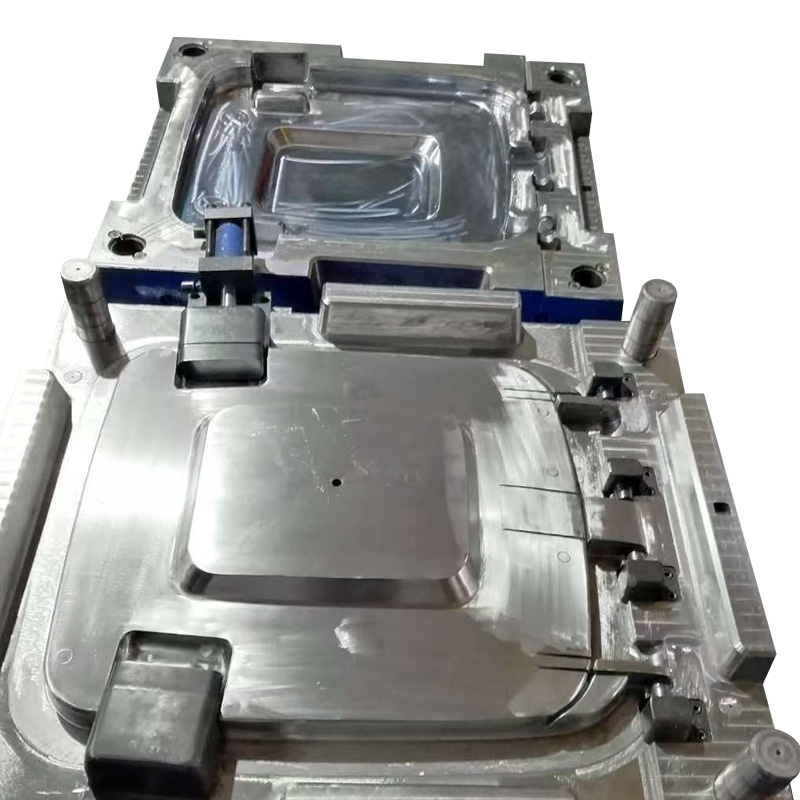
1. Optimizing Gating and Flow Path Design
Strategic Gate Location Selection
- Gates should be positioned to promote balanced filling.
- Centralized gating reduces the risk of multiple melt fronts meeting at weak angles.
- Avoid placing gates opposite thick structural ribs that may cause flow hesitation.
Reducing Flow Length and Pressure Loss
- Shorter flow paths help maintain melt temperature.
- Balanced runner design ensures even distribution in multi-gate systems.
- Uniform wall thickness reduces flow resistance variations.
Incorporating Cold Slug Wells
- Cold slug wells capture the initially cooled material from the nozzle.
- Properly sized wells prevent solidified resin from entering the cavity.
- Installing them at the runner ends enhances flow consistency.
- By carefully designing the gating system, manufacturers can significantly reduce the formation of weld lines and cold material streaks.
2. Controlling Processing Parameters
Maintaining Proper Melt Temperature
- Higher melt temperature improves fusion between flow fronts.
- Avoid overheating, which may degrade material properties.
- Maintain stable barrel temperature zones during production.
Optimizing Injection Speed and Pressure
- Faster injection reduces cooling at the flow front.
- Adequate holding pressure improves material bonding.
- Balanced filling speed prevents premature solidification.
Ensuring Adequate Mold Temperature
- Warmer mold surfaces delay freeze-off time.
- Uniform mold temperature prevents localized cold spots.
- Proper temperature control improves surface finish.
- Stable processing conditions ensure that melt fronts merge at a suitable temperature and pressure, reducing visible weld marks.
3. Improving Mold Structural Design
Enhancing Venting Systems
- Trapped air can cool melt fronts prematurely.
- Proper vent placement near meeting points reduces air compression.
- Clean vent grooves regularly to maintain effectiveness.
Optimizing Rib and Reinforcement Layout
- Thick ribs may block smooth material flow.
- Gradual thickness transitions improve melt convergence.
- Rounded intersections reduce turbulence and hesitation.
Using Flow Leaders or Deflectors
- Flow leaders guide molten plastic toward critical areas.
- Deflectors control the convergence angles of melt fronts.
- Proper placement improves bonding strength at joint lines.
- Structural improvements inside the mold cavity play a major role in preventing weak flow junctions.
4. Advanced Technologies for Quality Improvement
Hot Runner Systems
- Maintain consistent melt temperature inside runners.
- Reduce material waste and eliminate cold slug entry.
- Provide balanced multi-point injection capability.
Sequential Valve Gating
- Control the timing of multiple gates.
- Prevent simultaneous opposing flow collisions.
- Improve aesthetic surface quality for large panels.
Mold Flow Simulation
- Predict weld line locations before manufacturing.
- Identify high-risk cold zones in the cavity.
- Allow early design adjustments to optimize filling behavior.
- Advanced engineering tools significantly enhance defect prevention strategies.
Avoiding weld lines and cold slug defects requires a comprehensive approach combining gating optimization, temperature control, structural refinement, and advanced technology application. By ensuring balanced flow paths, stable thermal conditions, and effective venting, manufacturers can achieve stronger molecular bonding and smoother surface finishes. With careful design and process management, Plastic Trash Can Mold production can deliver high-strength, visually appealing products that meet demanding market standards while maintaining efficient and stable manufacturing performance.