 English
 中文简体
中文简体Drum Shaft and Pulsator Plastic Mold for Washing Machine
The plastic mold of the drum shaft impeller of the washing machine is ...



Efficient cooling is critical in a Plastic Automobile Parts Mold because it directly affects the molding cycle. Faster and uniform cooling reduces production time, allowing higher output without compromising quality.
Uneven cooling can cause warping or dimensional instability in molded automotive parts. Proper cooling ensures that the part maintains its intended shape and fits correctly in assembly processes.
Adequate cooling reduces surface defects such as sink marks, flow lines, or burn marks. This is particularly important for visible automotive components that require aesthetic precision.
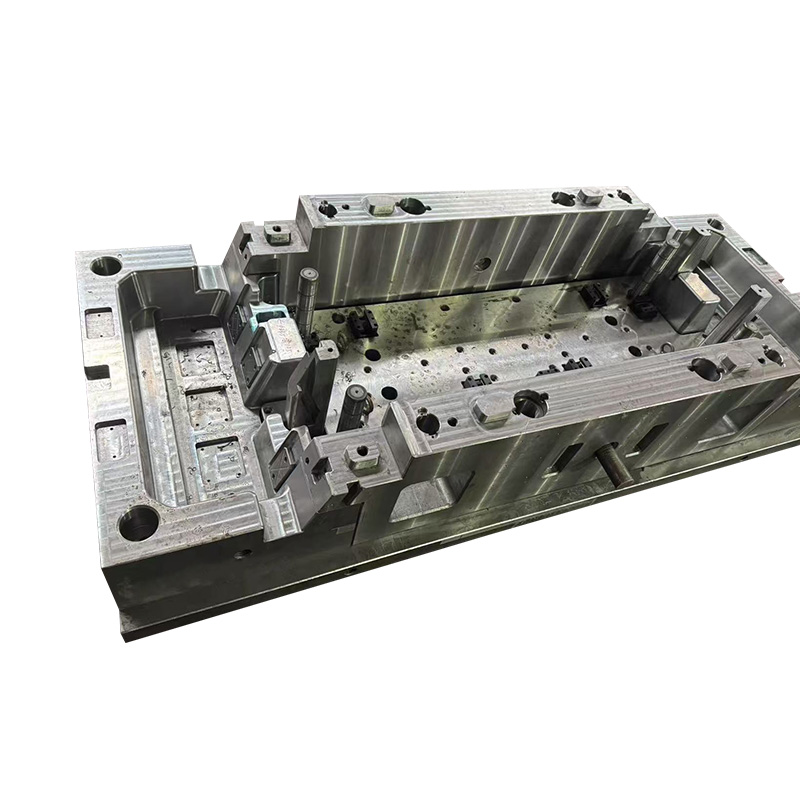
Cooling channels should be strategically placed near thick sections of the mold where heat accumulates. Correct positioning ensures uniform temperature distribution and prevents hotspots.
The diameter and cross-sectional shape of cooling channels influence flow rate and heat transfer efficiency. Circular channels are common, but conformal channels created by advanced technologies like 3D printing can follow complex geometries for uniform cooling.
Channels must be close enough to remove heat efficiently but not so close as to weaken the mold structure. Maintaining a suitable distance ensures effective cooling without compromising durability.
Water is the common cooling medium due to its high heat capacity and low cost. For specialized applications, oil or other fluids may be used when higher temperatures are required.
Adjusting the flow rate of the cooling fluid ensures consistent temperature control. Too low a flow rate causes inadequate cooling, while too high a flow rate increases pressure drop and energy consumption.
Maintaining a stable fluid temperature is essential for consistent part quality. Using thermostatic controls or chillers allows precise temperature regulation throughout the molding process.
Using additive manufacturing, conformal cooling channels can follow the mold’s contour. This ensures even heat removal from complex geometries typical of automotive parts.
Inserts and baffles guide the coolant through areas prone to overheating. This targeted approach enhances cooling efficiency in localized regions of the mold.
Implementing multiple cooling zones with independent control allows fine-tuning for different sections of the mold, improving uniformity and reducing defects.
Cooling channels should be inspected for clogging or corrosion. Blockages can significantly reduce efficiency and cause uneven cooling.
2. Cleaning Protocols
Periodic cleaning using chemical or mechanical methods ensures smooth fluid flow. This prevents scaling, rust, or microbial growth in water-based systems.
Installing sensors within the mold provides real-time temperature data. Continuous monitoring allows operators to adjust parameters proactively, maintaining suitable cooling conditions.
Cooling channels must be designed without compromising mold strength. Adequate wall thickness and reinforcement around channels prevent deformation under high injection pressures.
The thermal conductivity of mold materials, such as steel or aluminum, affects heat transfer. Designers must consider material properties to improve cooling efficiency.
Optimizing cooling systems reduces energy consumption. Efficient flow, proper insulation, and controlled temperatures reduce waste and lower operational costs.
The cooling system of a Plastic Automobile Parts Mold plays a pivotal role in ensuring part quality, reducing cycle time, and preventing defects. Making efficient cooling a cornerstone of modern automotive plastic molding.
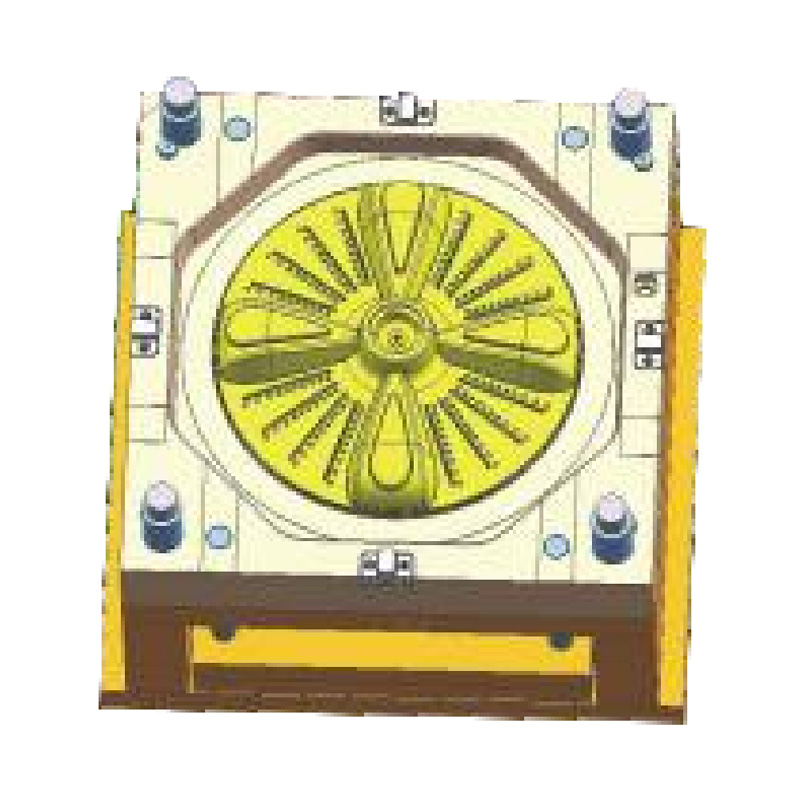
The plastic mold of the drum shaft impeller of the washing machine is ...
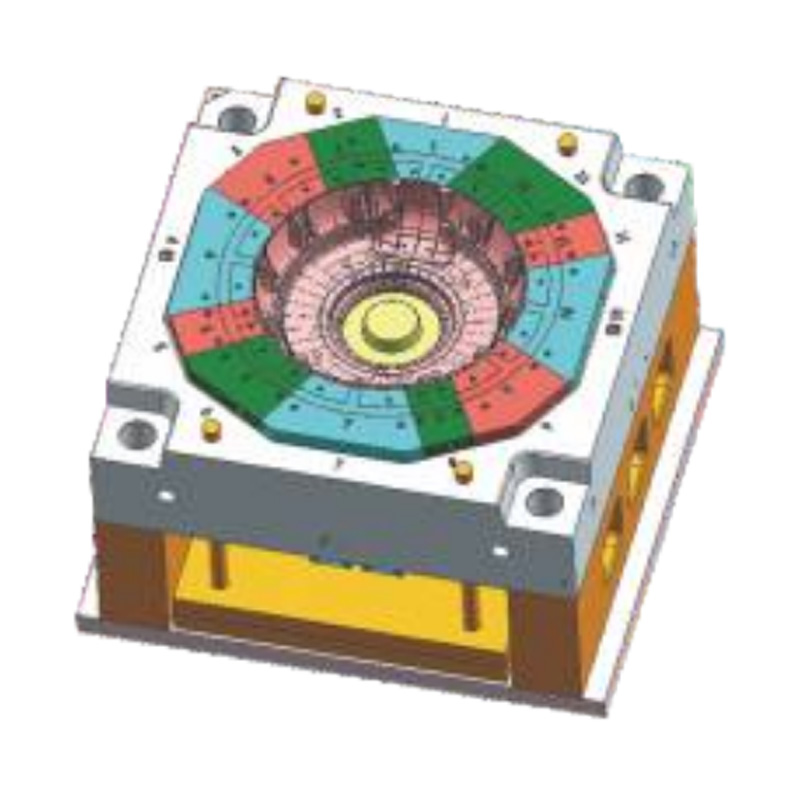
The circular ventilation and exhaust fan plastic mold is a high-precis...
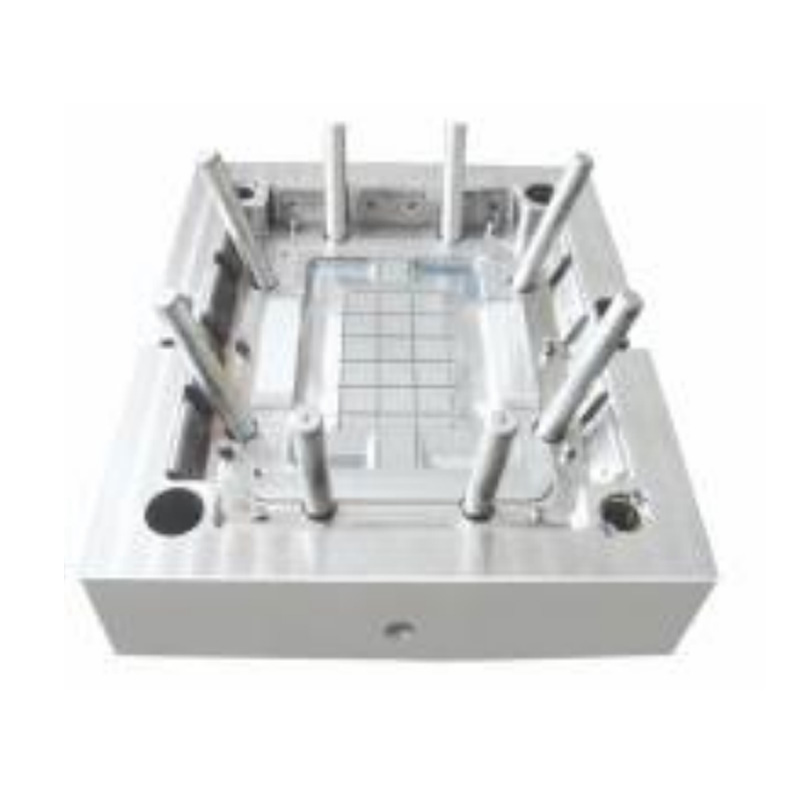
The injection mold for seafood transport plastic turnover box is speci...

The four-wheeled waste container mobile trash can mold is specially de...
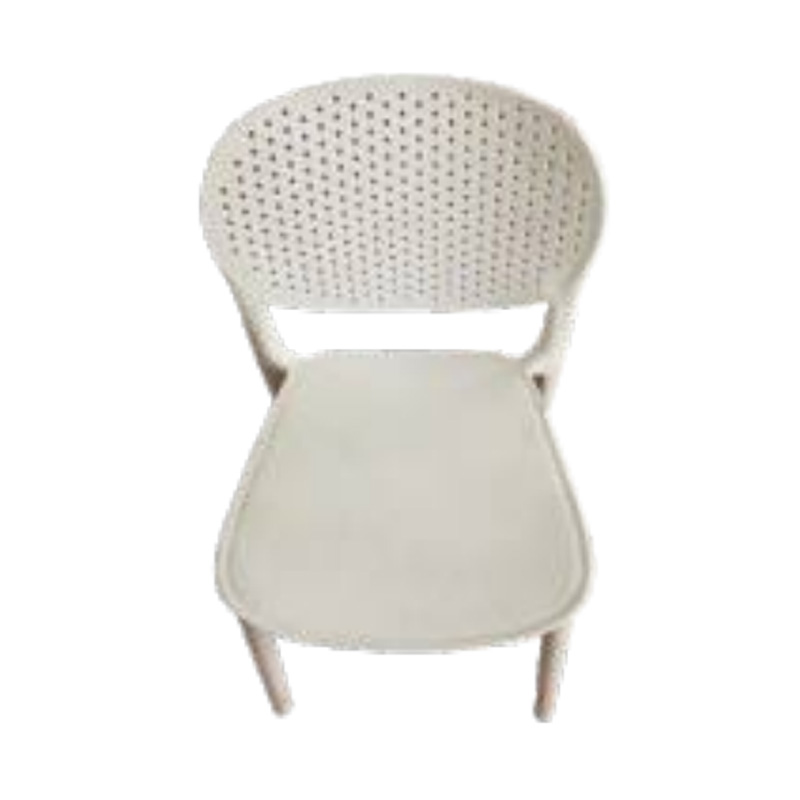
The armless plastic chair mold for reception is a high-quality injecti...
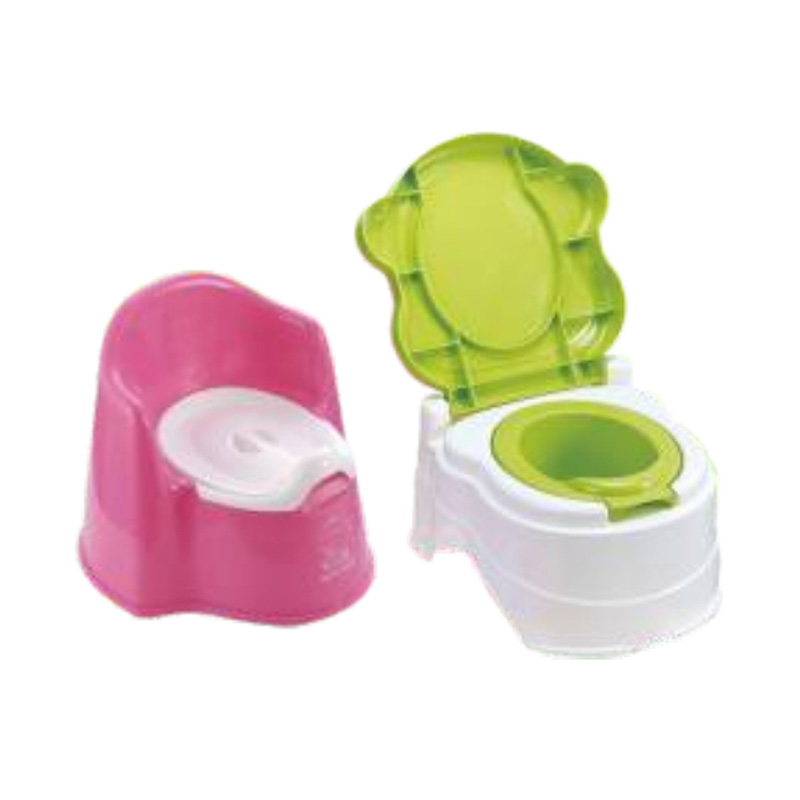
The plastic mold of the children's toilet trainer with a step stool is...
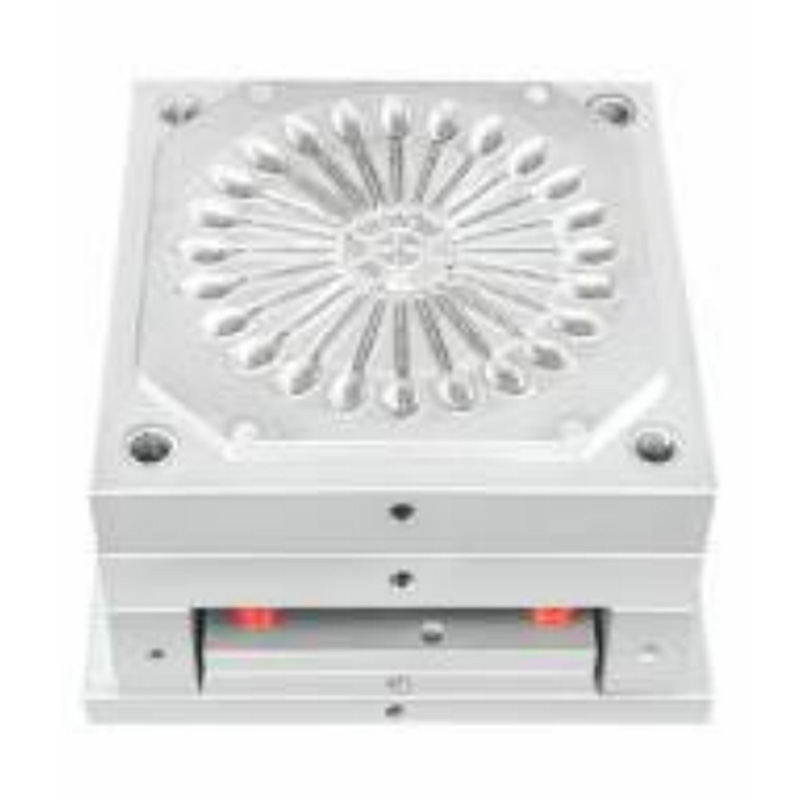
The hot and cold runner plastic cutlery spoon thin-wall mold is design...
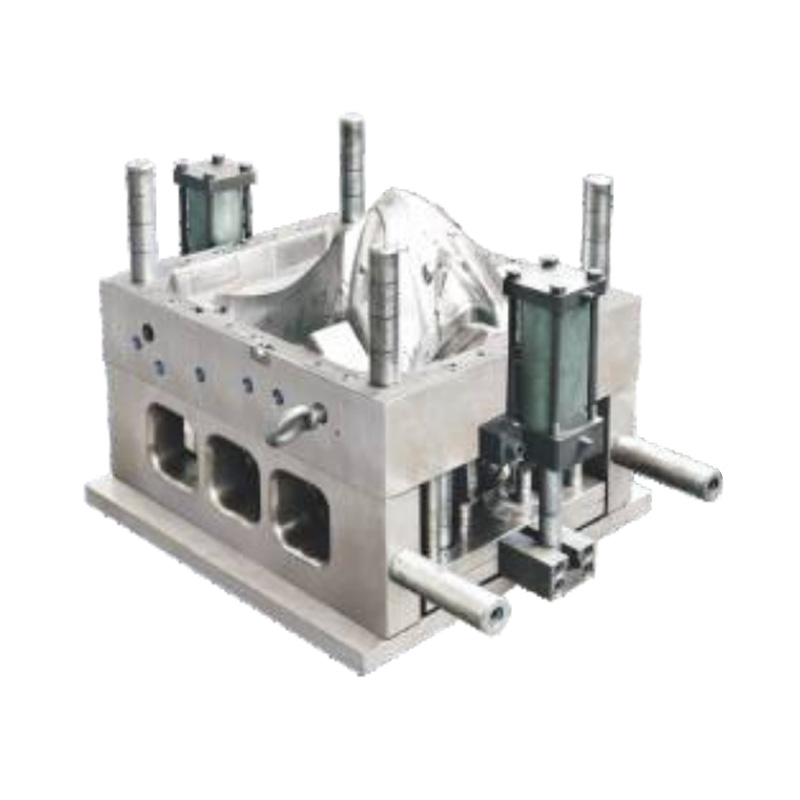
The motorcycle fairing kit plastic mold is a high-performance mold pro...
Copyright © Taizhou Huangyan Jingnan Moulding Co., Ltd. All Rights Reserved

Plastic Injection Mold Manufacturer