 English
 中文简体
中文简体Single-Tub Spin Dryer Washing Machine Mold
Single-barrel spin-drying washing machine molds are mainly used to pro...



Designing a Plastic Automobile Parts Mold is a complex task that directly impacts the quality, performance, and cost of automotive components. As vehicles increasingly use plastic parts for interiors, exteriors, and functional systems, mold precision and reliability have become critical to production efficiency.
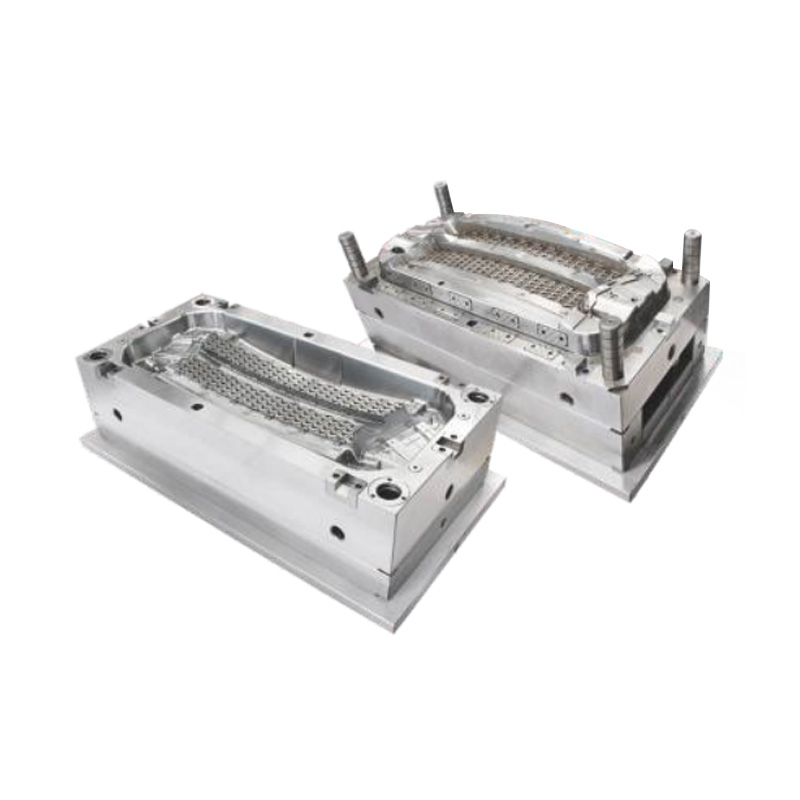
• Automotive components require tight tolerances to ensure proper assembly and performance.
• Even minor variations in mold dimensions can cause fitment issues, noise, or functional defects.
• Plastic parts often have intricate shapes, thin walls, and undercuts.
• Mold designs must account for these features while maintaining uniform material flow and structural strength.
• Materials such as P20, H13, and S136 are widely used for their durability and thermal stability.
• These steels resist wear, prevent deformation, and maintain mold performance over long production cycles.
• Nitriding, polishing, and chrome plating enhance surface hardness and prevent corrosion.
• Proper treatments ensure smooth part surfaces, reduce friction during ejection, and extend mold life.
• Mold design must consider the plastic’s shrinkage, flow characteristics, and thermal sensitivity.
• ABS, PP, PC, and reinforced composites each require specific adjustments in mold design to avoid warping or defects.
• Strategic gate positioning ensures uniform material distribution and reduces air traps or weld lines.
• Balanced runners help maintain consistent pressure and flow across all sections of the part.
• Properly designed cooling channels reduce cycle time while preventing hotspots that may cause deformation.
• Cooling must be balanced to maintain uniform temperature and reduce residual stress in the molded part.
• Tools like Moldflow or Autodesk Mold Design allow prediction of material flow, temperature distribution, and potential defects.
• Simulations reduce trial-and-error in mold development and improve pass production yield.
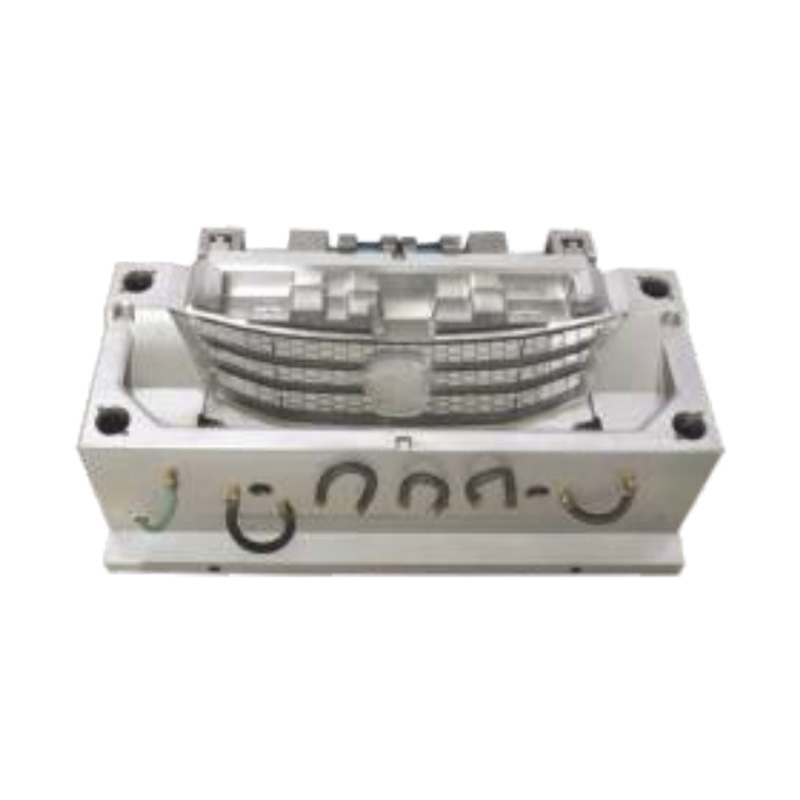
• Repeated heating and cooling cycles can cause mold stress, cracking, or surface fatigue.
• Careful material selection and cooling design mitigate thermal fatigue risks.
• Routine checks for wear, deformation, and corrosion are essential for maintaining mold performance.
• Early detection prevents unexpected downtime and ensures consistent part quality.
• Cleaning, lubrication, and polishing preserve mold integrity.
• Regular maintenance prolongs lifespan, maintains dimensional accuracy, and reduces production scrap.
• Multi-cavity designs increase output per cycle, reducing production costs.
• Proper balancing ensures uniform filling and consistent quality across cavities.
• Robotic part handling, automated cooling, and injection monitoring improve efficiency and consistency.
• Automation reduces labor costs and reduces part damage during ejection or transfer.
• Adjusting injection speed, packing pressure, and cooling duration improves throughput.
• Optimized cycles maintain quality while improving productivity.
A well-designed Plastic Automobile Parts Mold balances precision engineering, material selection, flow optimization, and durability. By focusing on mold material, surface treatment, cooling efficiency, and preventive maintenance, manufacturers can ensure high-quality, consistent, and cost-effective production of automotive components. Proper integration of simulation tools, automation, and multi-cavity design further enhances efficiency, reduces defects, and meets the rigorous demands of modern automotive manufacturing.

Single-barrel spin-drying washing machine molds are mainly used to pro...
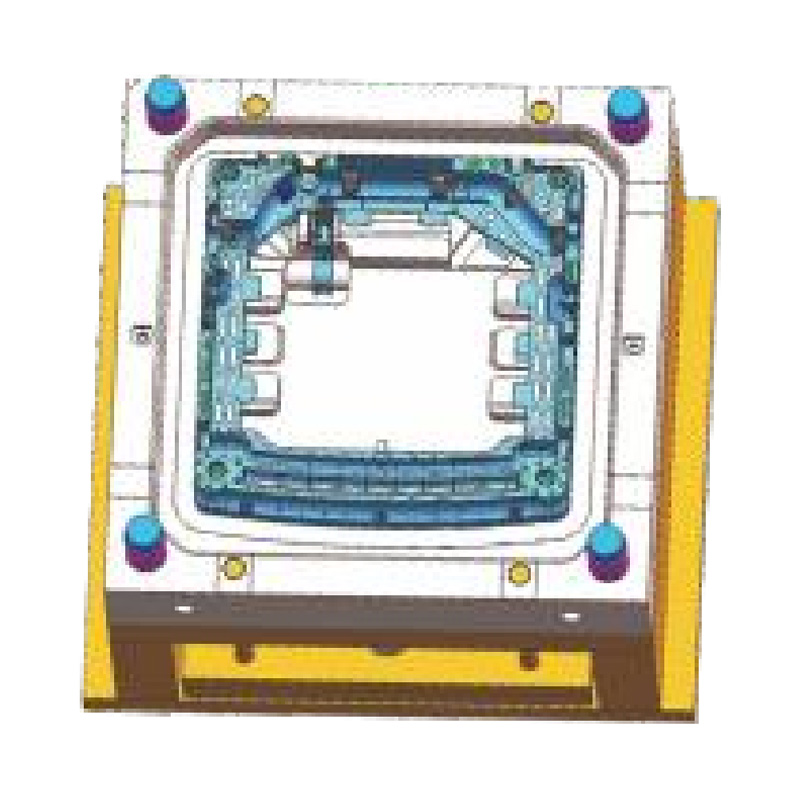
The injection mold for household washing machine parts is an important...
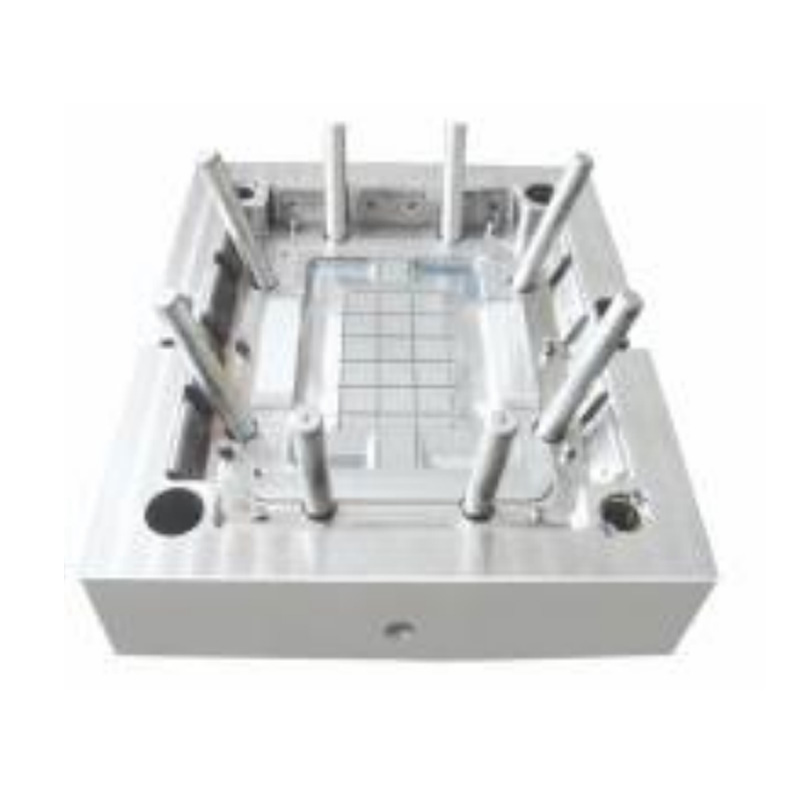
The injection mold for seafood transport plastic turnover box is speci...

The four-wheeled waste container mobile trash can mold is specially de...
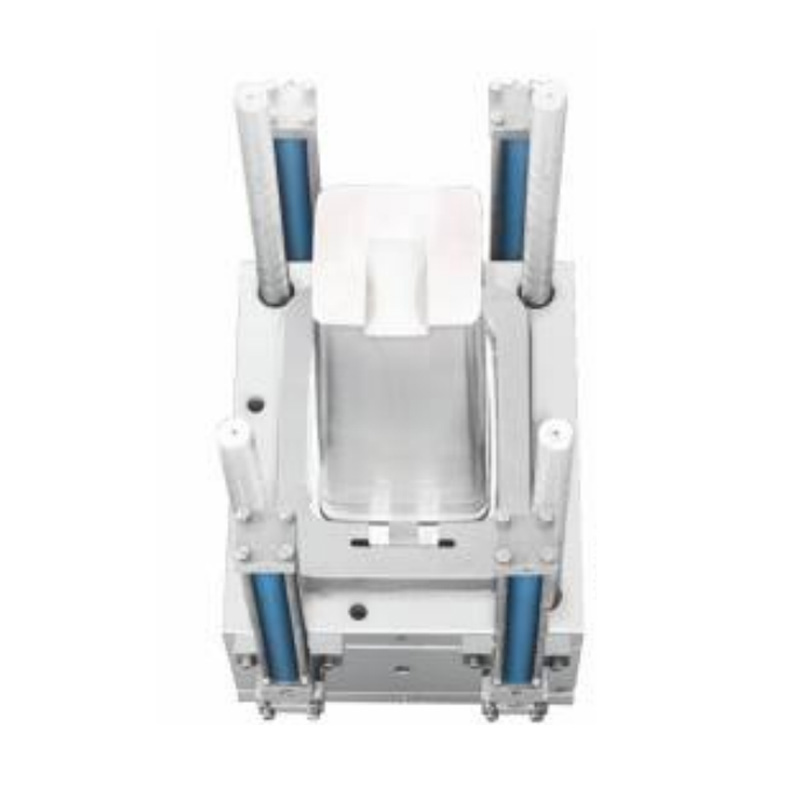
The household kitchen sealed pedal trash can mold is designed to meet ...
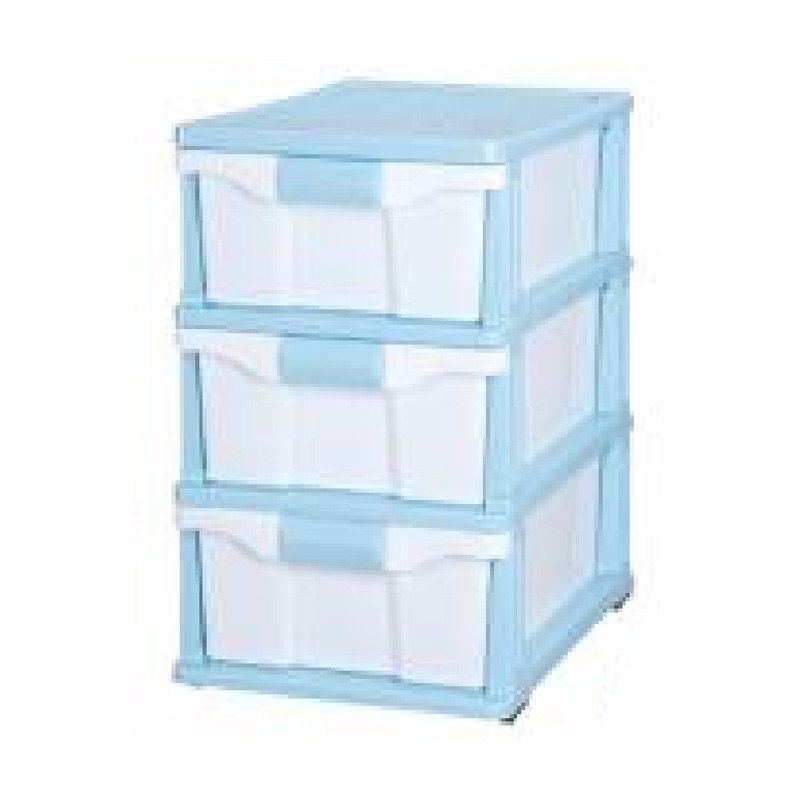
The multifunctional stackable office and home plastic storage box mold...
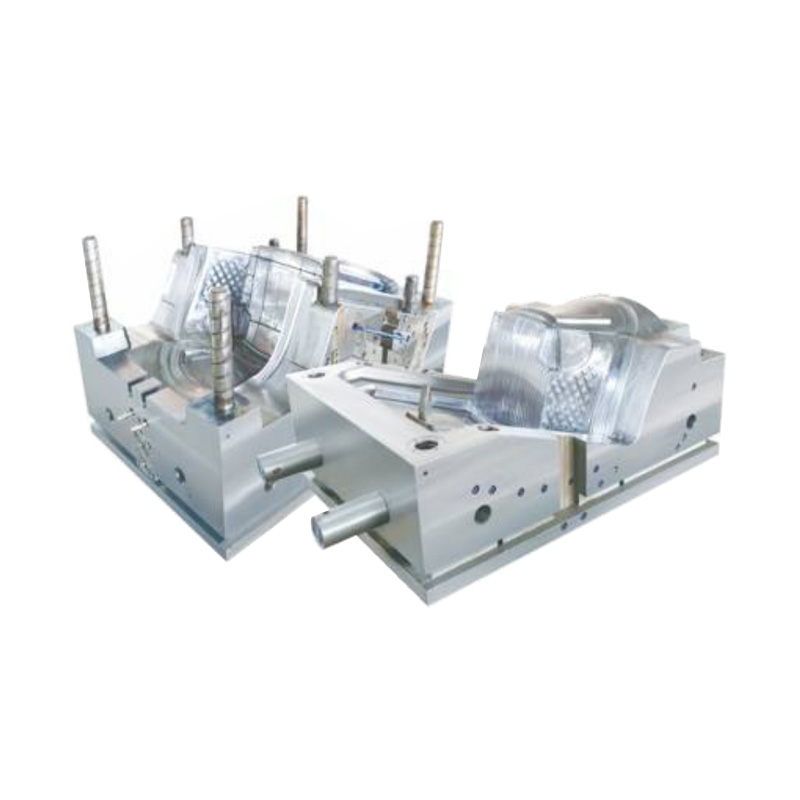
As an important mold type for outdoor and indoor furniture, plastic ar...
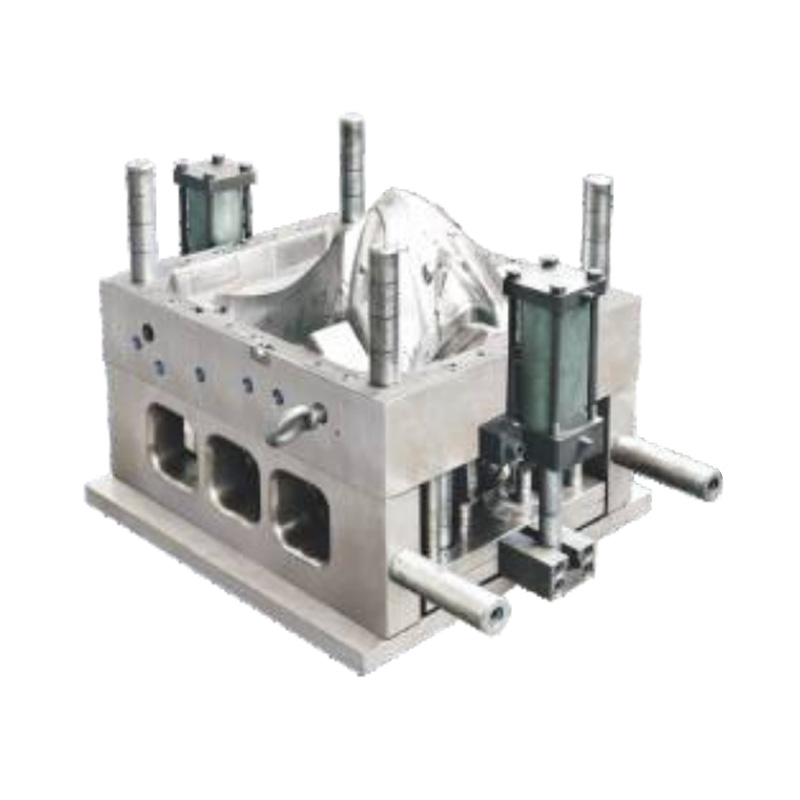
The motorcycle fairing kit plastic mold is a high-performance mold pro...
Copyright © Taizhou Huangyan Jingnan Moulding Co., Ltd. All Rights Reserved

Plastic Injection Mold Manufacturer