 English
 中文简体
中文简体Industrial Air Cooler Plastic Mold
As an OEM factory specializing in the design and manufacture of air co...



In the manufacturing of a Plastic Basket Mold, dimensional stability and repeatable precision are critical to ensure consistent wall thickness, smooth demolding, and long service life. The guiding pillars and slider structures are two essential mechanical systems that directly influence alignment, cavity integrity, and molding accuracy. By optimizing these components, manufacturers can significantly reduce flash, mismatch, and deformation.
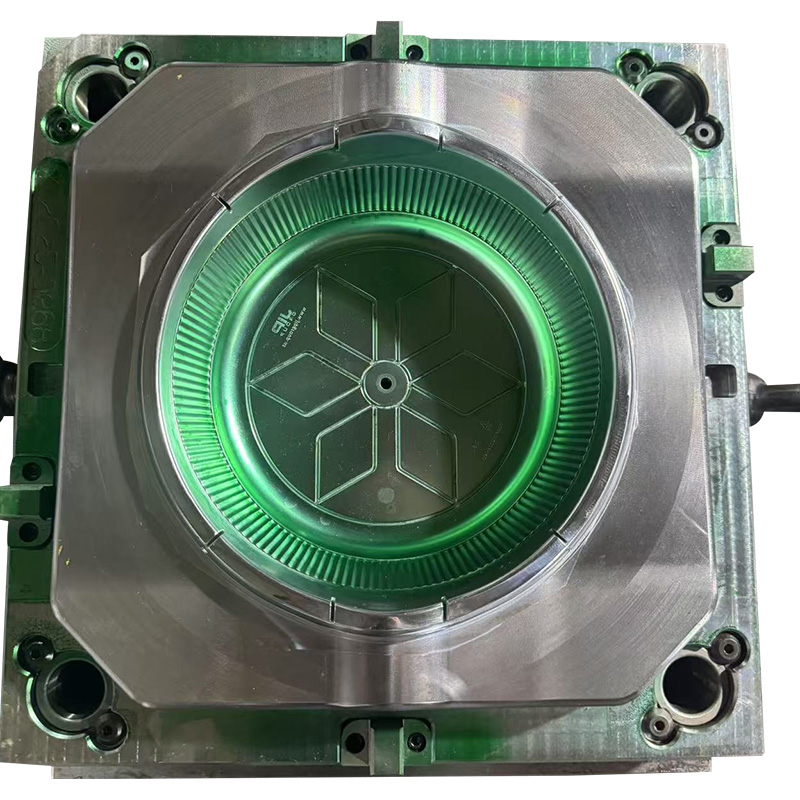
Through these measures, the guiding system in a Plastic Basket Mold ensures that each molding cycle begins with precise cavity alignment, forming the foundation for dimensional consistency.
A well-designed slider system guarantees that side cores remain stable under high injection pressure, preserving detail accuracy while ensuring smooth release.
When both systems function harmoniously, the entire mold structure achieves higher rigidity and improved injection stability.
These supporting factors ensure that the structural advantages of the guiding and sliding systems remain effective throughout production cycles.
The precision of a Plastic Basket Mold depends heavily on the engineering quality of its guide pillars and slider mechanisms. Guide pillars guarantee accurate mold alignment, while sliders enable complex side structures without sacrificing dimensional control. Through precise machining, proper material selection, synchronized mechanical design, and consistent maintenance, manufacturers can achieve stable injection accuracy, reduce defects, and ensure long-term reliability in high-volume basket production.
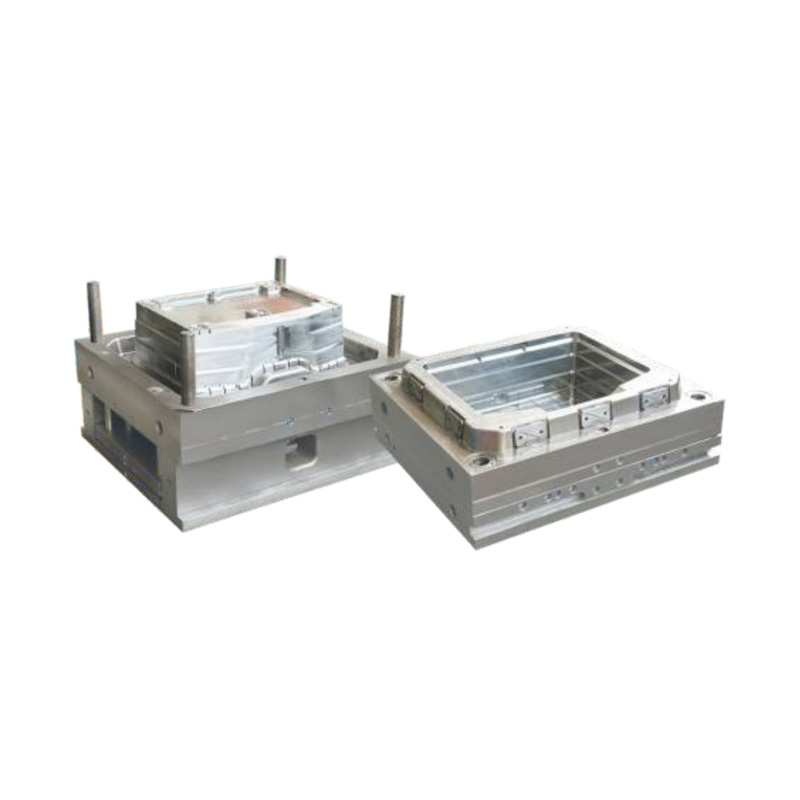
As an OEM factory specializing in the design and manufacture of air co...
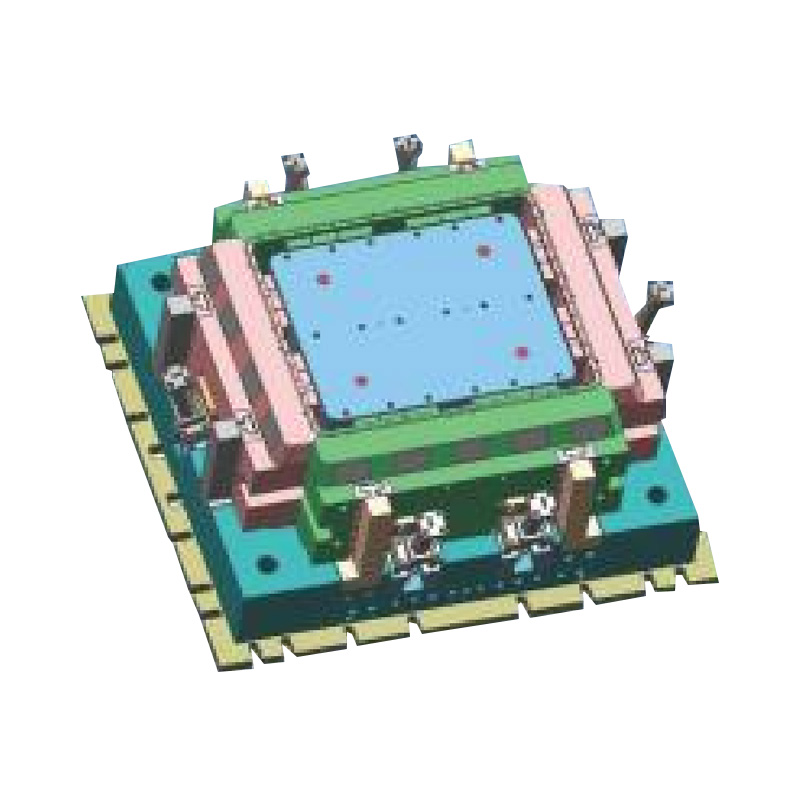
Square hard plastic anti-overflow pallet crate mold is designed for th...
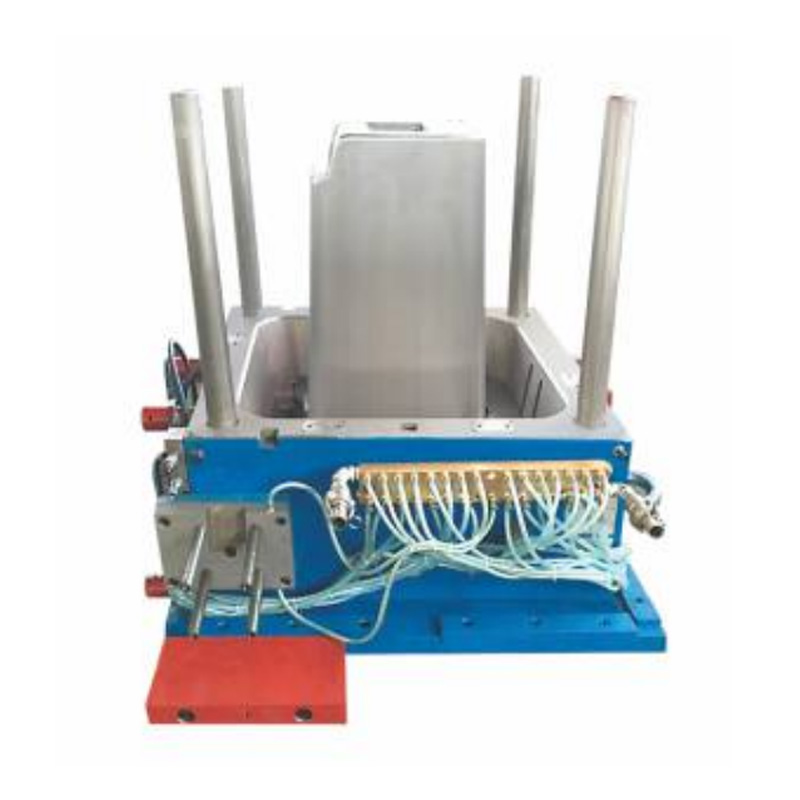
The wheeled flip-top plastic trash can mold is specially designed for ...
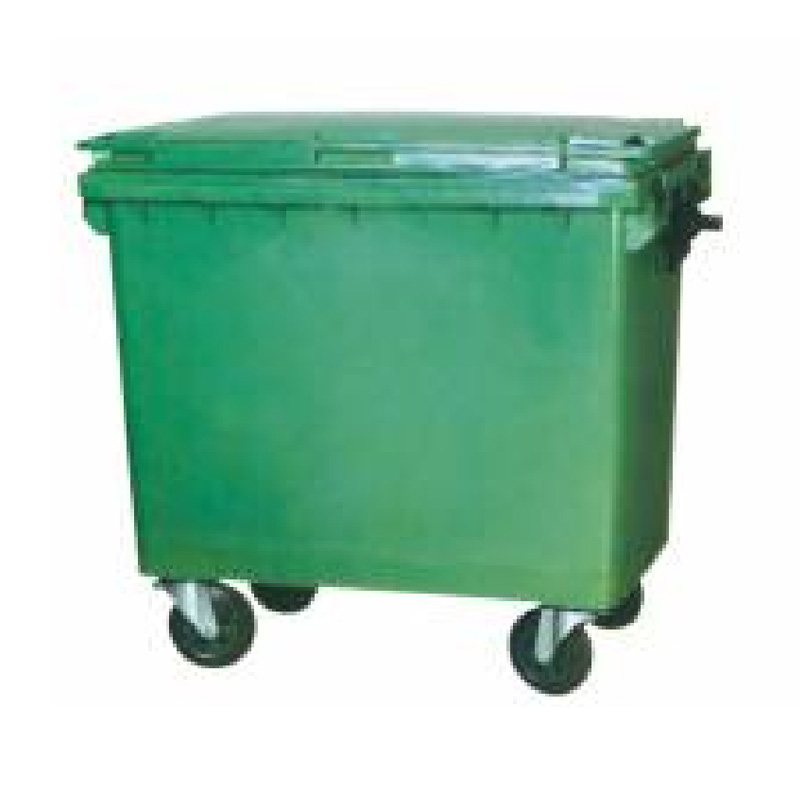
The four-wheeled waste container mobile trash can mold is specially de...
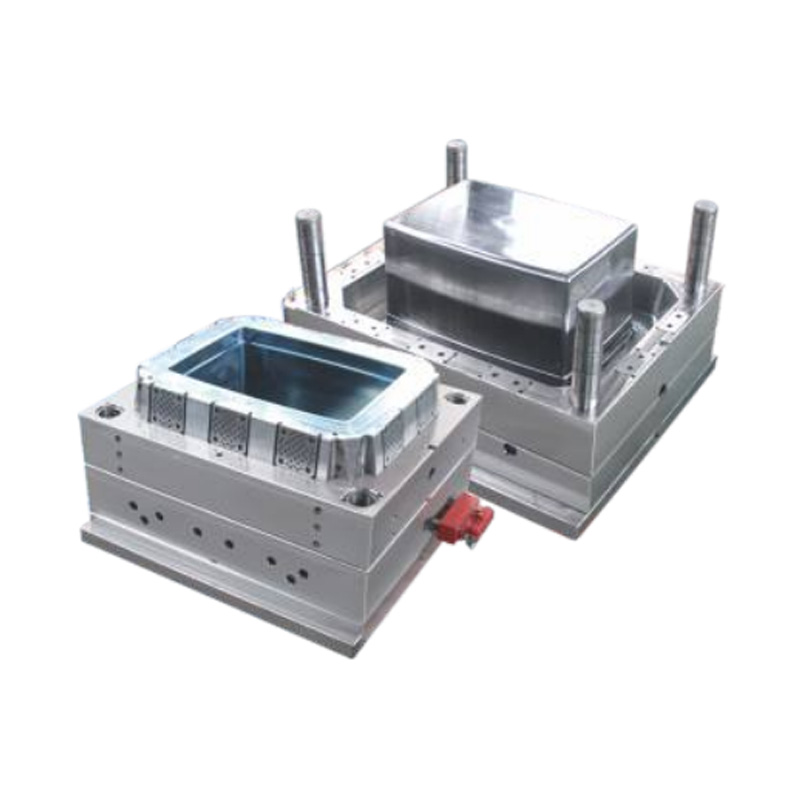
The plastic storage box with handle storage mold is specially designed...
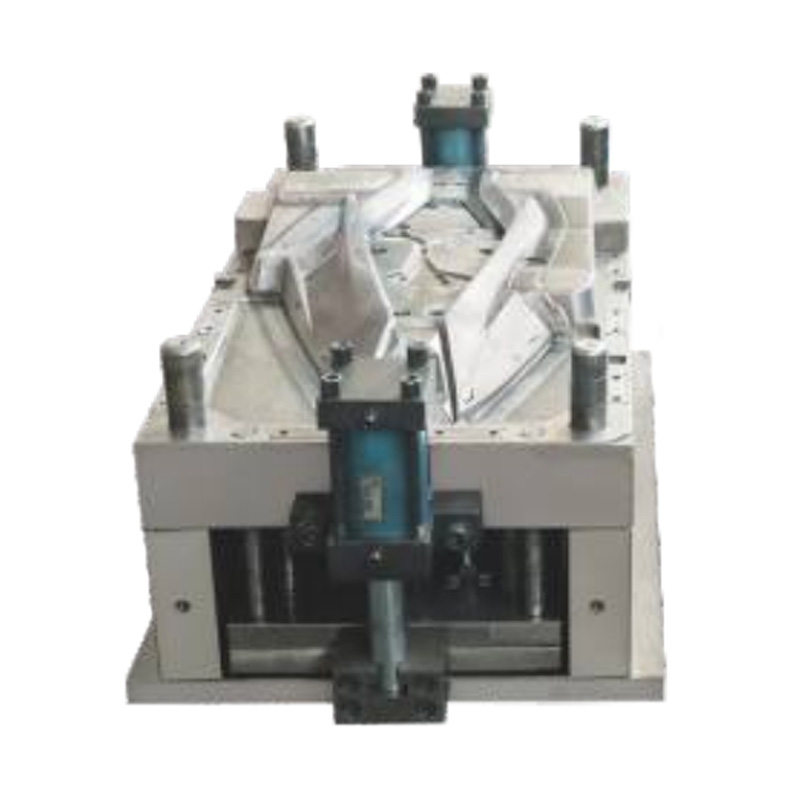
As a key component mold professionally manufactured by Jingnan Mould, ...
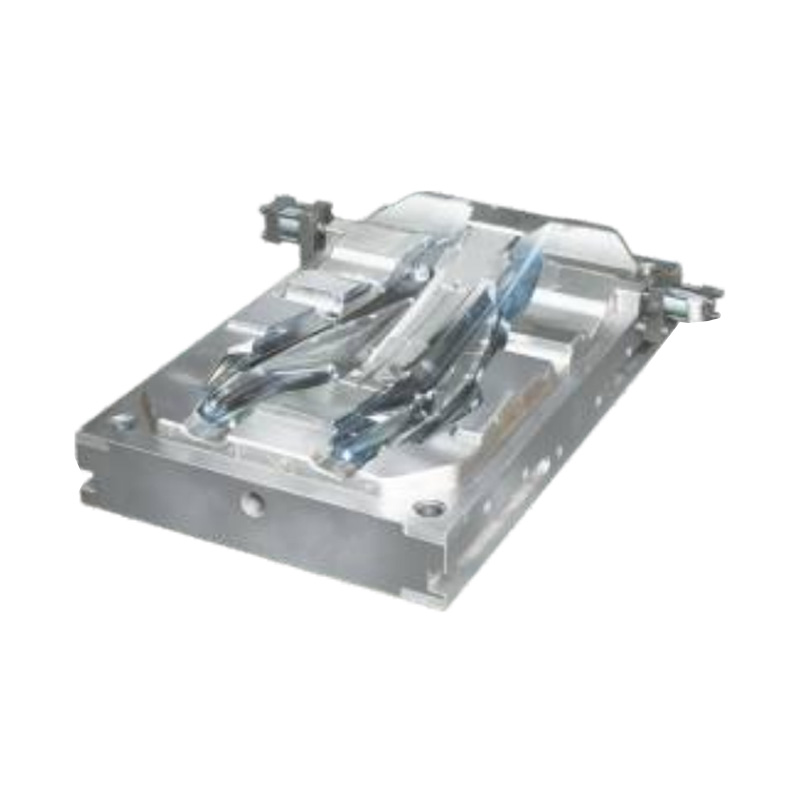
The motorcycle rear tail seat side cover plastic mold is a high-precis...
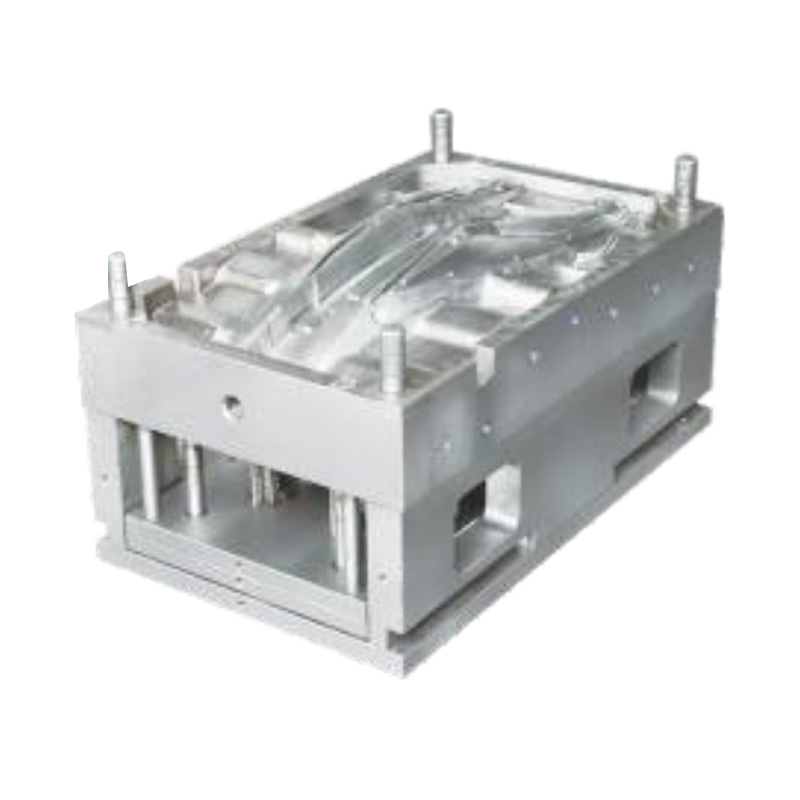
The motorcycle fender plastic accessory mold is an important injection...
Copyright © Taizhou Huangyan Jingnan Moulding Co., Ltd. All Rights Reserved

Plastic Injection Mold Manufacturer