Understanding Durability and Impact Challenges
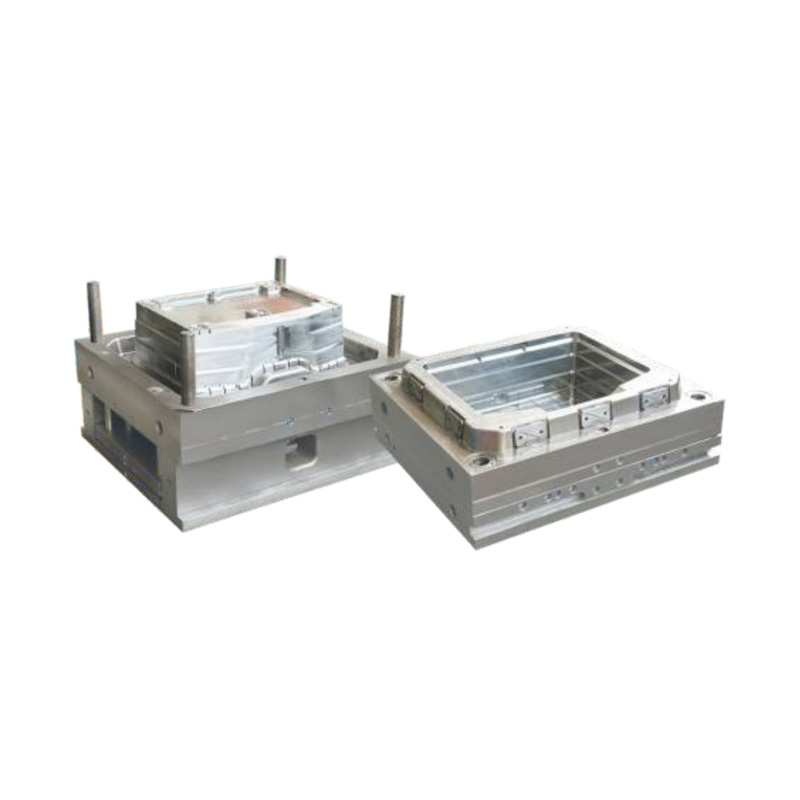
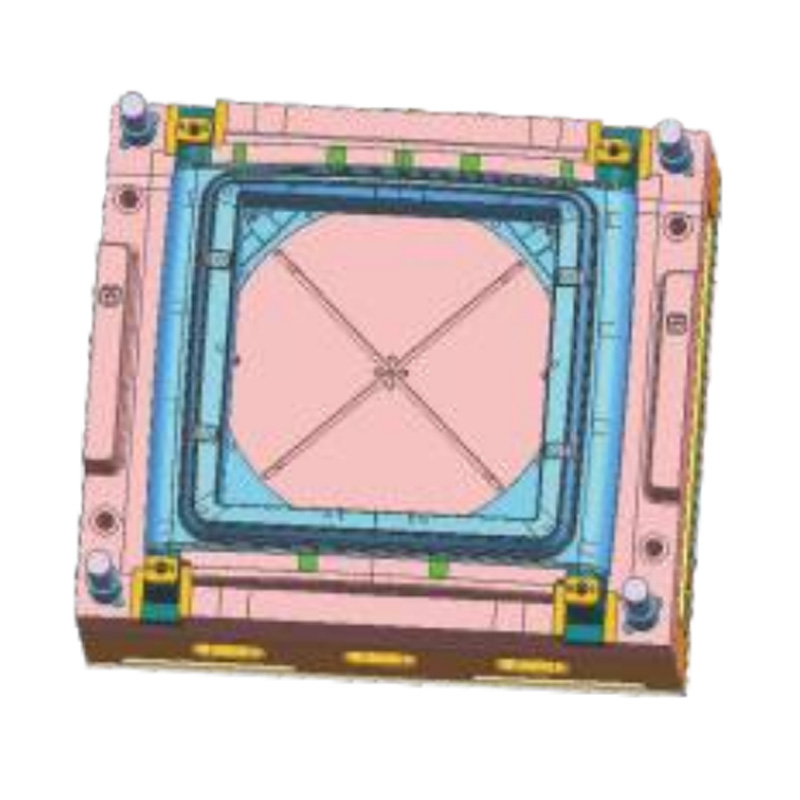
Durability and impact resistance are critical factors in designing and manufacturing plastic trash cans. A Plastic Trash Can Mold must produce parts that withstand daily use, environmental stress, and accidental impacts to ensure long-term performance.
1.Common Wear Factors
- Frequent handling, lifting, and emptying can cause cracks or deformation.
- Exposure to UV rays and temperature variations can weaken material properties.
- Heavy or sharp objects inside the trash can increase the risk of structural damage.
2.Material Selection Impact
- Choosing high-quality thermoplastics such as high-density polyethylene (HDPE) or polypropylene (PP) enhances toughness.
- Materials with higher molecular weight generally provide better impact resistance.
- Incorporating UV stabilizers or antioxidants prolongs durability under outdoor conditions.
Optimizing Plastic Formulation for Strength
The composition of the plastic used directly affects the trash can’s ability to resist wear and impact.
1.Adding Reinforcements
- Glass fibers or mineral fillers can increase stiffness and structural strength.
- The proportion of filler must be optimized to avoid brittleness.
- Even dispersion of additives ensures consistent performance across the part.
2.Blending for Toughness
- Blending plastics, such as combining HDPE with elastomers, improves flexibility and impact resistance.
- Compatibilizers can enhance adhesion between blended materials.
- Proper selection of blend ratios balances rigidity and shock absorption.
3.Enhancing Crystallinity
- Semi-crystalline plastics with controlled crystallinity provide better dimensional stability.
- Rapid cooling during molding can increase crystallinity in targeted areas.
- Overly crystalline structures may become brittle, so careful control is necessary.
Mold Design Considerations
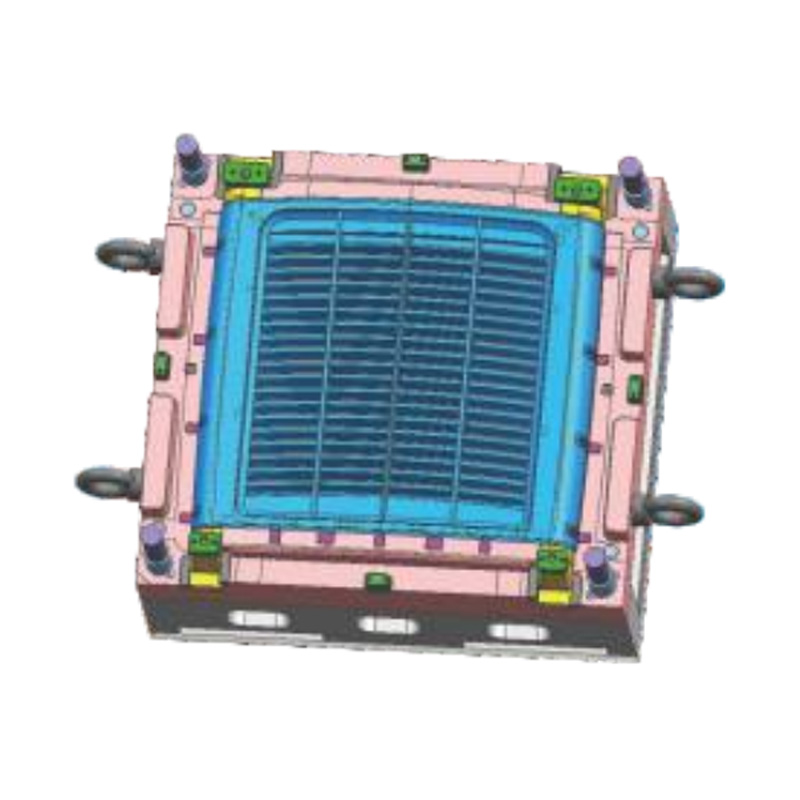
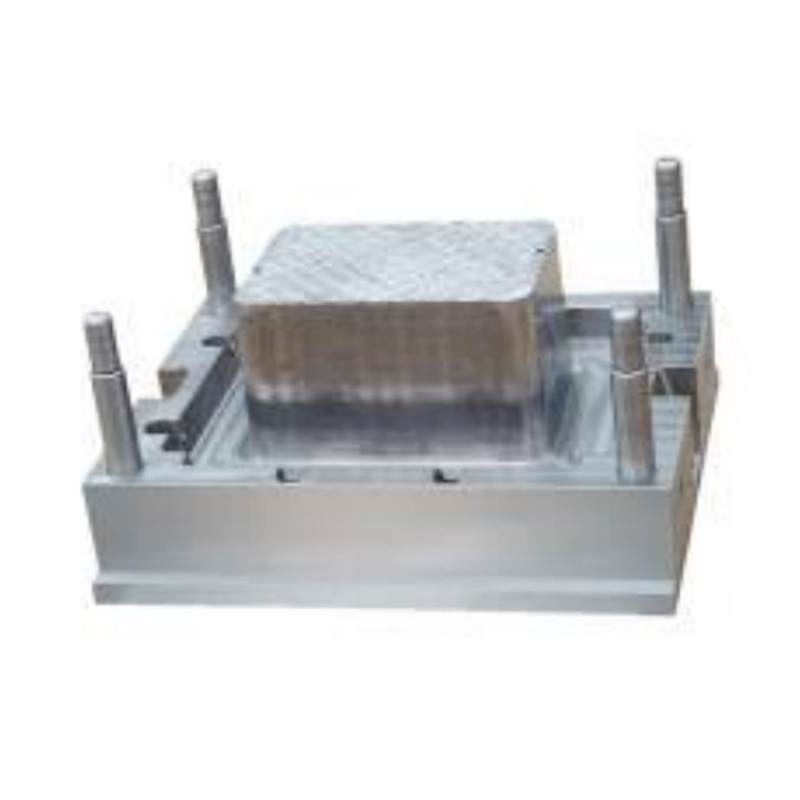
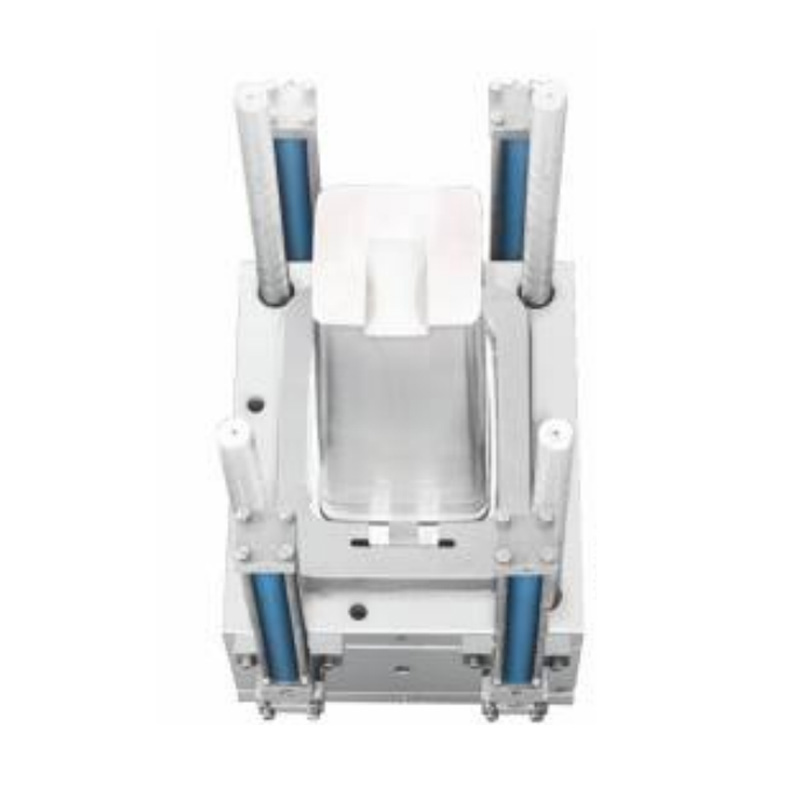
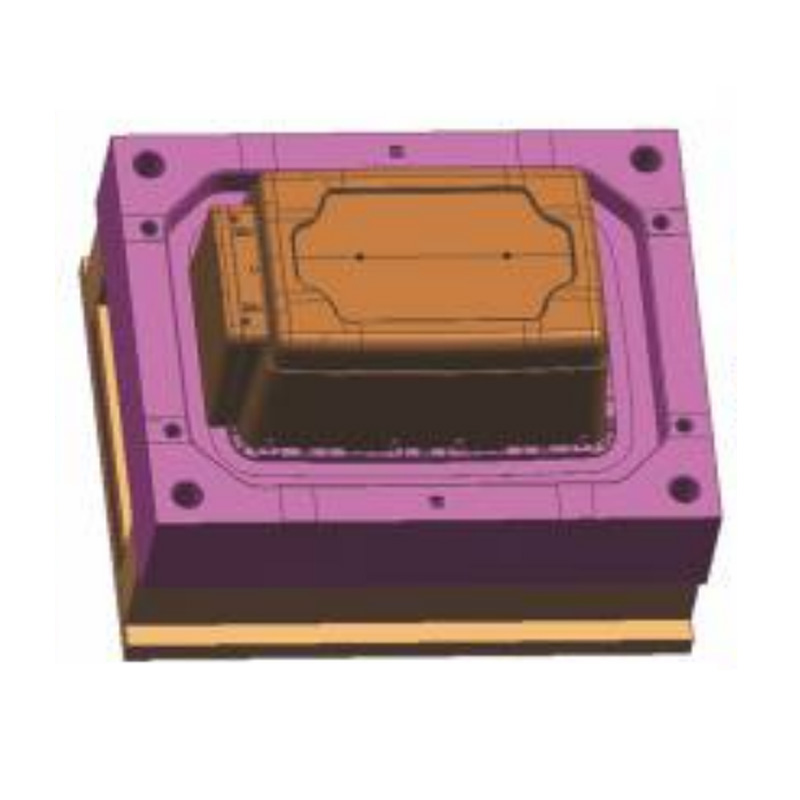
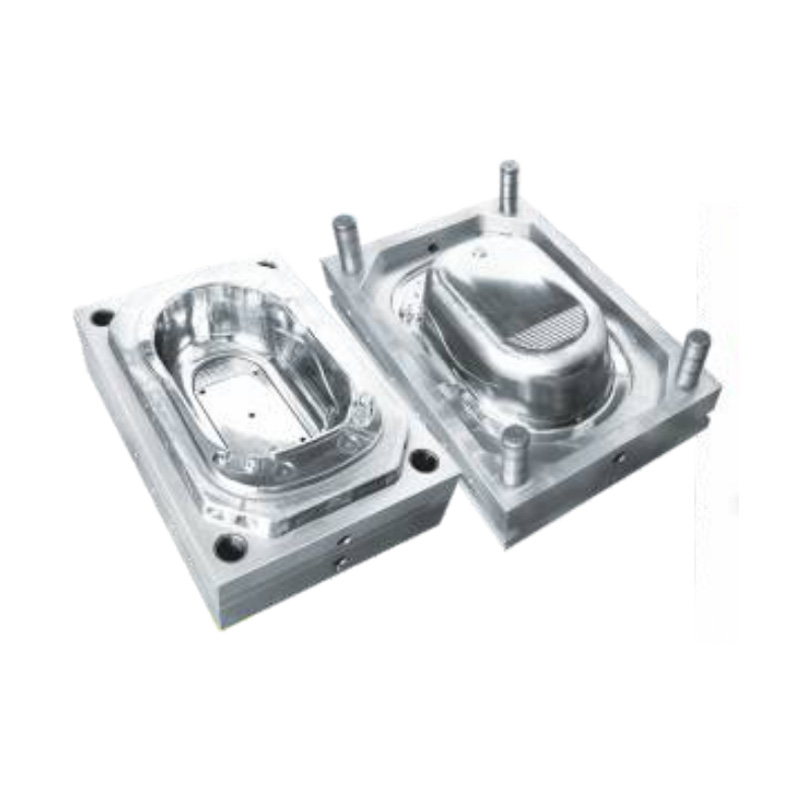
The design of the Plastic Trash Can Mold itself significantly influences the final product’s durability.
1.Wall Thickness Optimization
- Uniform wall thickness prevents weak spots and differential shrinkage.
- Thicker walls in stress-prone areas, such as corners or base sections, enhance strength.
- Avoid excessive thickness, which can cause sink marks or longer cooling times.
2.Structural Features
- Ribs, gussets, and reinforced edges improve load-bearing capacity.
- Rounded corners reduce stress concentration and reduce cracking.
- Adequate draft angles aid demolding while maintaining structural integrity.
3.Gate and Flow Management
- Proper gate placement ensures uniform filling, reducing internal voids.
- Controlled flow prevents air traps and weak spots that can compromise durability.
- Multi-cavity molds must account for consistent pressure distribution to avoid variation.
Processing Parameters to Improve Strength
Even with good materials and mold design, processing conditions affect final part performance.
1.Melt Temperature Control
- Maintaining the correct melt temperature ensures uniform flow and proper layer bonding.
- Overheating can degrade polymers, reducing toughness.
2.Injection Pressure and Speed
- Appropriate injection pressure helps fill molds and compact material.
- Optimized injection speed prevents turbulence, reducing void formation.
- Proper holding and packing pressure increase density and strength.
3.Cooling and Cycle Management
- Controlled cooling prevents warping and internal stresses.
- Cooling channels should be designed to provide a uniform temperature distribution.
- Gradual cooling in high-stress areas can enhance material toughness.
Post-Molding Enhancements
After molding, additional treatments can improve the trash can’s durability and resistance to impact.
1.Annealing
- Controlled heating relieves internal stresses and reduces brittleness.
- Annealing can improve toughness without compromising dimensional stability.
2.Surface Treatments
- UV-resistant coatings extend outdoor durability.
- Textured surfaces reduce scratches and hide wear over time.
3.Quality Inspection
- Dimensional verification and impact testing identify weak points.
- Adjustments to mold design or process parameters can be made based on inspection results.
Maintenance and Lifecycle Considerations
Durability also depends on proper use and maintenance of the trash can.
1.Regular Cleaning
- Removing debris prevents scratches or cracks from repeated use.
- Avoid harsh chemicals that could degrade polymer properties.
2.Handling Guidelines
- Educate users on lifting techniques and load limits to prevent stress failures.
- Design lids and handles for ergonomic use to reduce accidental damage.
Enhancing durability and impact resistance in a Plastic Trash Can Mold involves a combination of material selection, optimized mold design, precise processing parameters, and post-molding techniques. By carefully choosing materials, reinforcing structures, controlling injection molding conditions, and applying stress-relief treatments, manufacturers can produce trash cans that are robust, long-lasting, and suitable for both residential and commercial applications. Incorporating these strategies ensures that the finished products consistently meet performance requirements, reducing maintenance costs and extending product lifespan.
 English
 中文简体
中文简体