 English
 中文简体
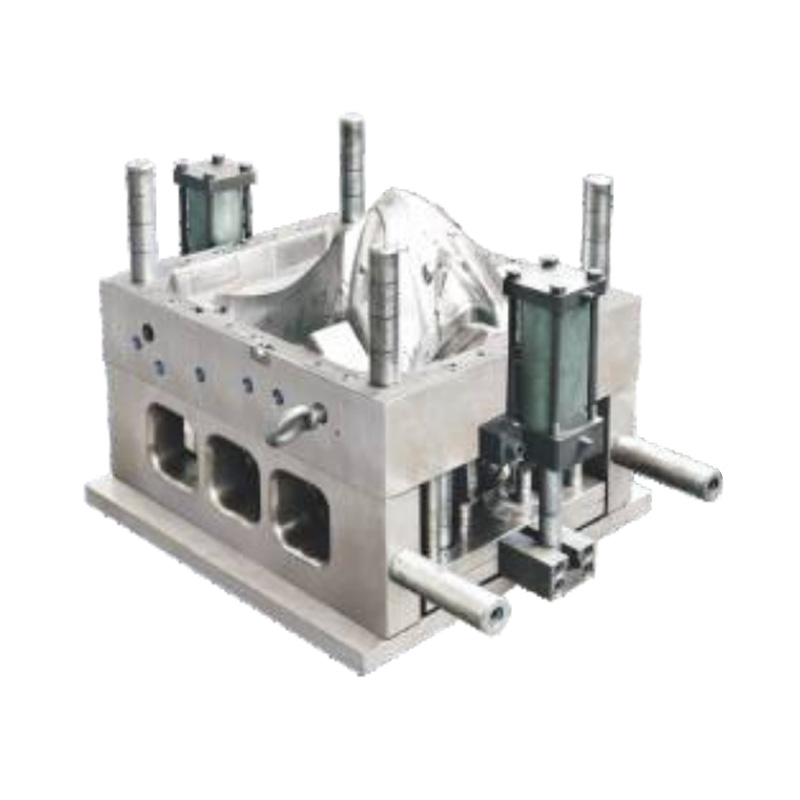
中文简体Household Washing Machine Parts Injection Mold
The injection mold for household washing machine parts is an important...



Shrinkage occurs when molten plastic cools and solidifies in a mold. Different types of plastics behave differently, making it essential to understand their properties to maintain dimensional accuracy in a Plastic Automobile Parts Mold.
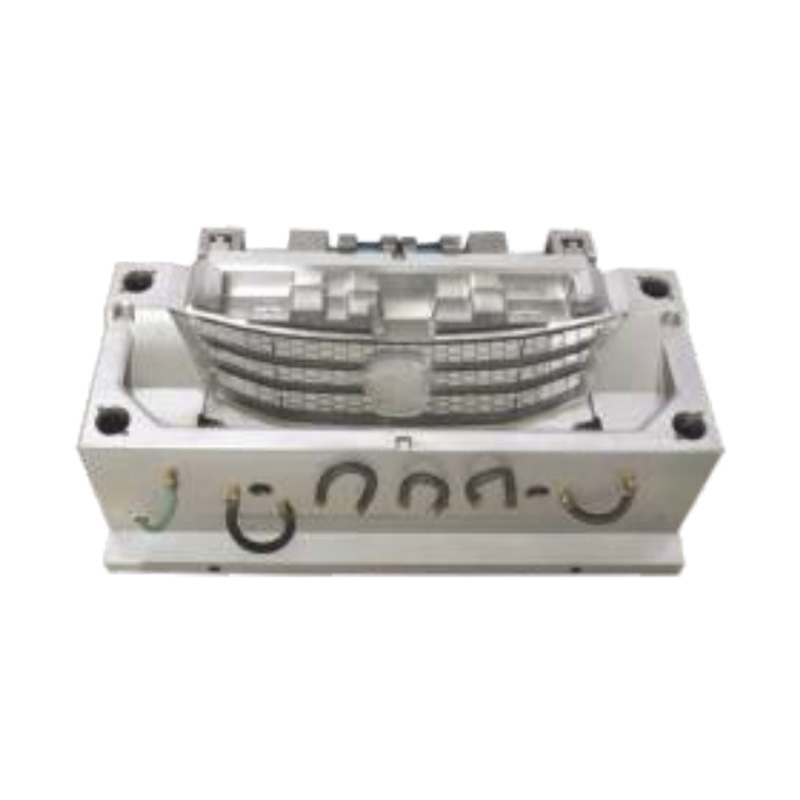
Effective mold design is critical to reduce shrinkage-related defects and ensure part consistency.
Even with well-designed molds, processing parameters significantly affect shrinkage outcomes.
Maintaining a stable mold temperature reduces thermal gradients.
Thermostatic control allows precise cooling for multi-cavity or complex molds.
Post-processing can further improve dimensional accuracy and part stability.
Thermal annealing reduces internal stresses and secondary shrinkage.
Controlled heating cycles allow molecular chains to relax uniformly.
Minor inconsistencies can be corrected through machining or trimming.
Critical mounting or interface surfaces often require post-processing for precision.
Coordinate measuring machines (CMM), laser scanners, or optical comparators verify tolerances.
Monitoring results helps adjust mold design or processing parameters for future runs.
Material choice fundamentally impacts shrinkage behavior in plastic automotive parts.
Semi-crystalline plastics, like nylon or polypropylene, exhibit higher shrinkage than amorphous materials like ABS.
Selecting lower-crystallinity grades can improve dimensional stability for large parts.
Nucleating agents, stabilizers, and fillers can modify shrinkage rates.
Blending materials enables a balance between strength, surface finish, and dimensional accuracy.
Controlling shrinkage in a Plastic Automobile Parts Mold requires an integrated approach combining material selection, mold design, processing optimization, and post-molding techniques. Understanding the behavior of various plastics, designing molds to compensate for differential shrinkage, fine-tuning process parameters, and implementing verification and stress-relief steps all contribute to producing high-quality, dimensionally accurate automotive components. Through careful planning and execution, manufacturers can achieve predictable and consistent shrinkage control, reducing defects and improving overall production efficiency.
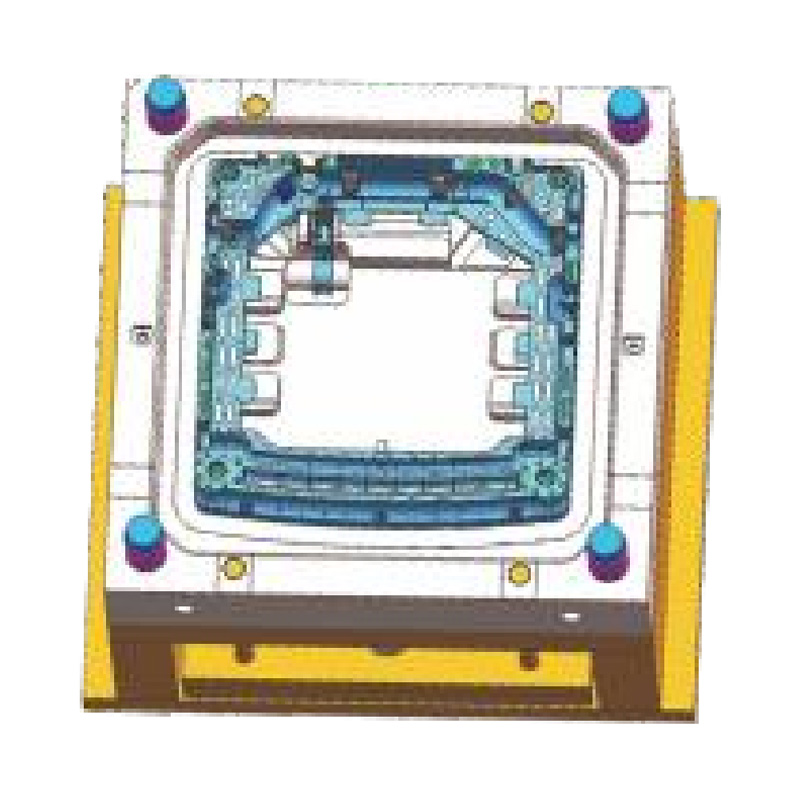
The injection mold for household washing machine parts is an important...
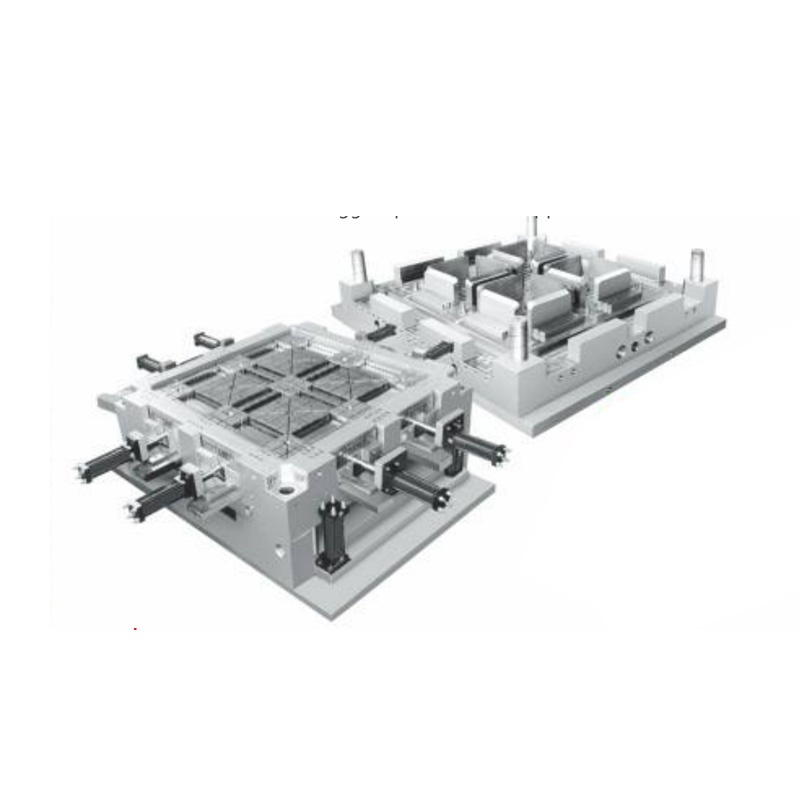
The plastic injection molded pallet mold for logistics and transportat...
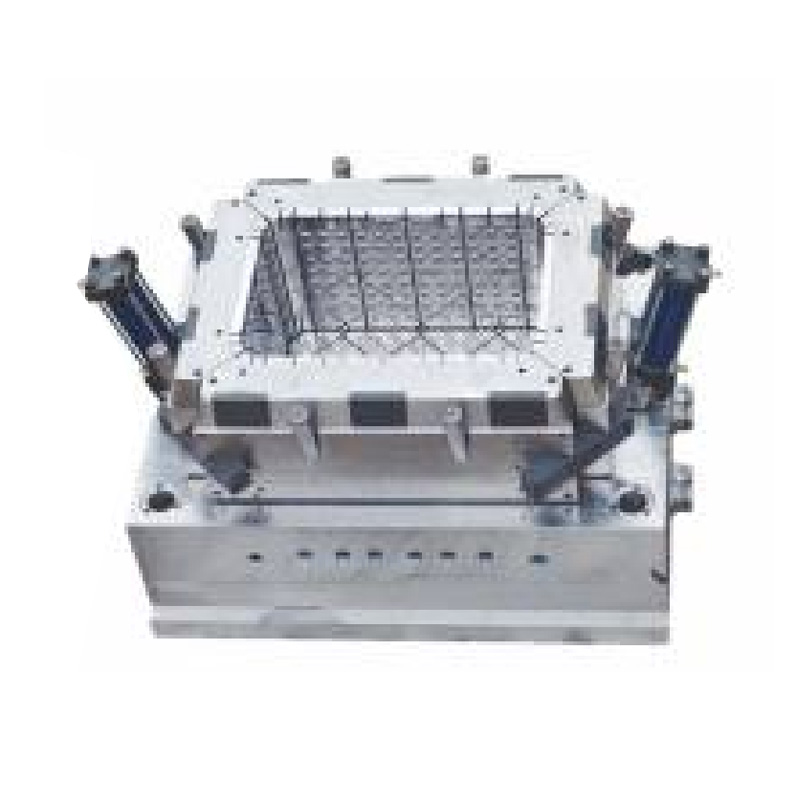
The plastic basket turnover box mold for fruits and vegetables with ha...
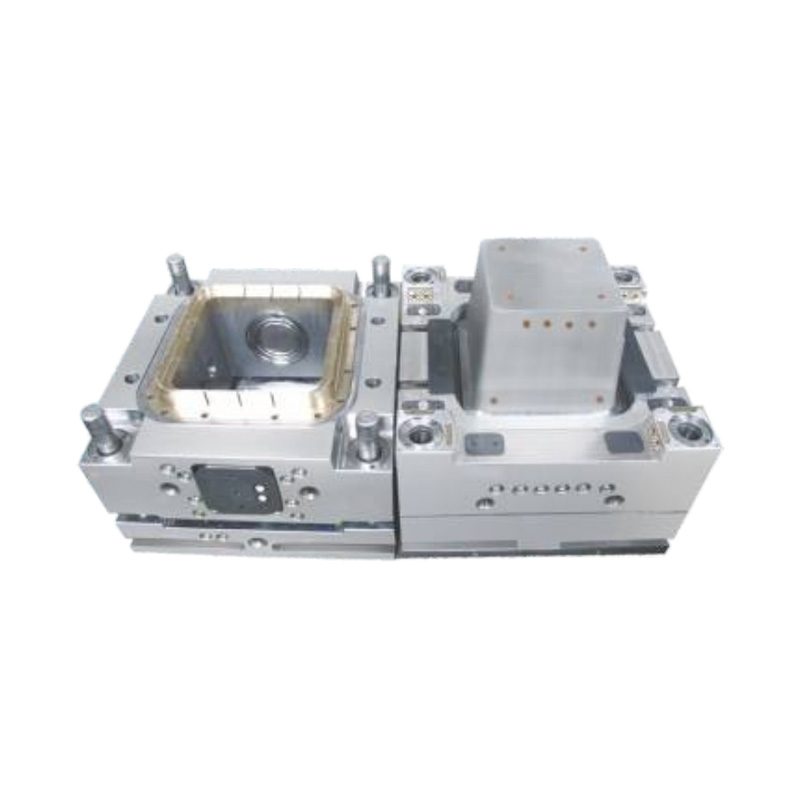
The plastic storage box mold for toys and clothing with rollers is des...
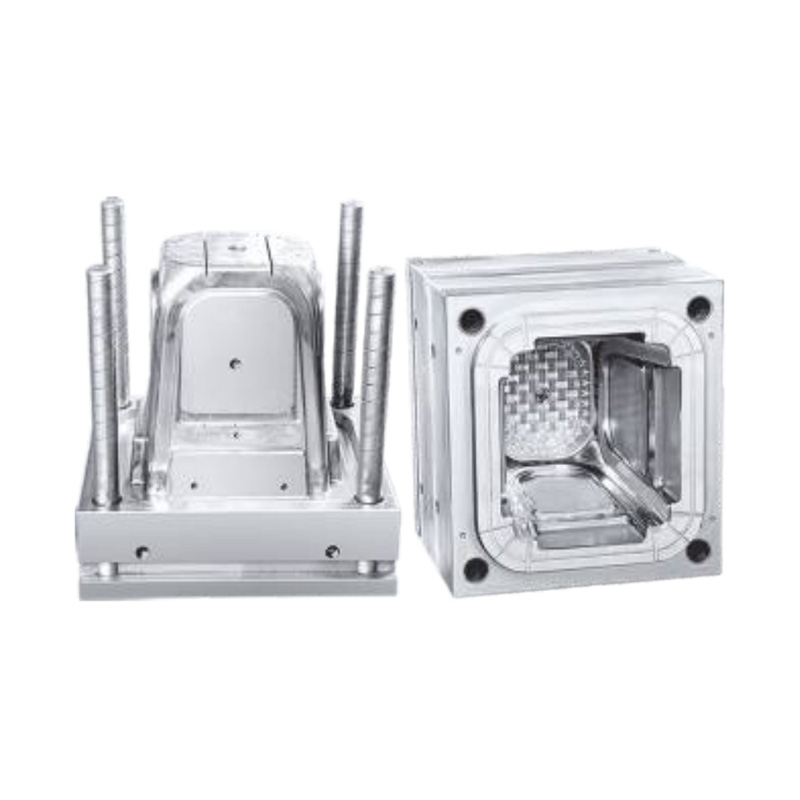
The square light plastic stool injection mold with footrest is special...
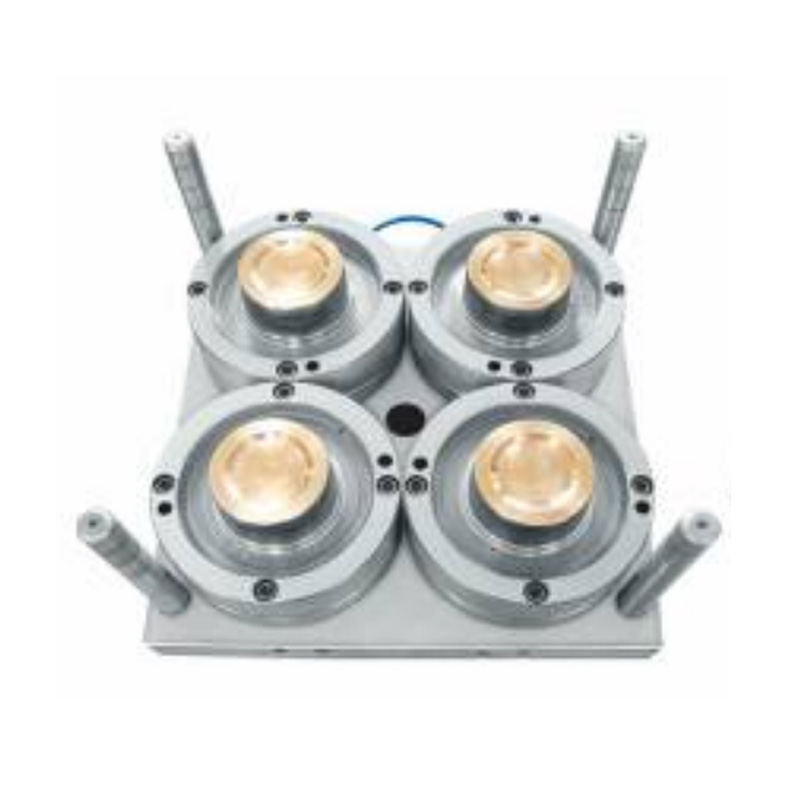
The manufacturing process of thin-wall injection molds for round food ...
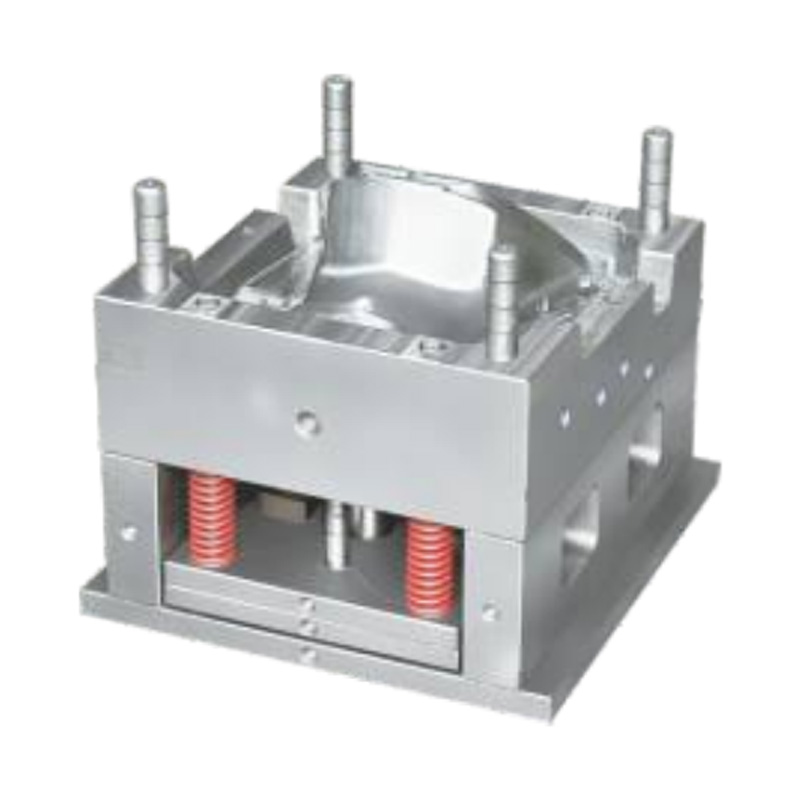
The motorcycle fuel tank cap plastic injection mold is a high-precisio...
The motorcycle fairing kit plastic mold is a high-performance mold pro...
Copyright © Taizhou Huangyan Jingnan Moulding Co., Ltd. All Rights Reserved

Plastic Injection Mold Manufacturer