 English
 中文简体
中文简体Household Washing Machine Parts Injection Mold
The injection mold for household washing machine parts is an important...



Dimensional variation between batches. Baskets that warp or deform under load after a short service period. Surface inconsistencies that make products from the same production run look like they came from different suppliers. These are the quality problems that erode customer confidence and drive up scrap rates in plastic basket production — and they almost always originate at the mold level, not the injection machine level. Specifying and sourcing the right Plastic Basket Mold determines whether quality is built into the process from the start or corrected at the inspection stage after the fact.
A Plastic Basket Mold is a precision tooling system that shapes molten plastic into a basket form during the injection molding cycle. The mold defines every dimensional and structural characteristic of the finished basket — wall thickness, rib geometry, draft angles, surface texture, and gate position — all of which influence whether the basket performs consistently across a production run.
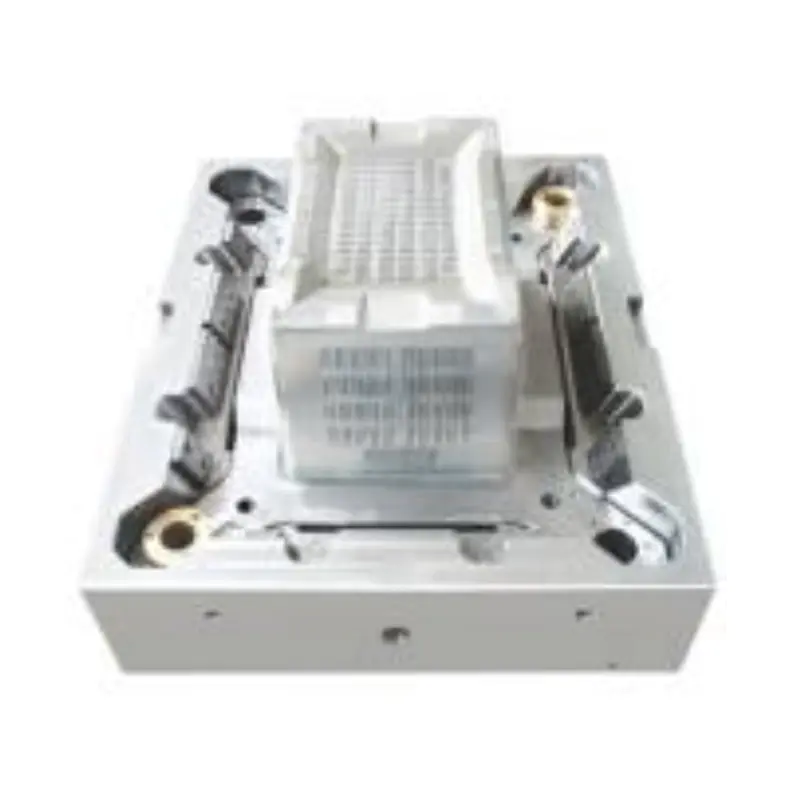
The key elements that determine quality output:
Each of these elements is a variable that a well-designed mold controls precisely. Each is also a source of quality problems when not properly engineered.
Plastic shrinks as it cools from a molten to a solid state. Where wall thickness is uniform, shrinkage occurs at a consistent rate across the part — producing a basket that holds its shape. Where thickness varies, thicker sections cool more slowly and shrink more, while thinner sections cool faster and shrink less. The result is internal stress that pulls the part out of shape during cooling.
In practice, this manifests as:
A mold designed with consistent wall thickness throughout the cavity — achievable through precise core and cavity machining — eliminates the thickness variation that drives these defects.
Structural ribs on the interior or base of a plastic basket improve stiffness without adding overall wall thickness. When rib geometry is designed correctly in the mold — appropriate height-to-thickness ratio and smooth transition to the base wall — ribs contribute structural rigidity without introducing the thermal mass differential that causes sink marks.
Poorly designed ribs — too thick relative to the base wall, or with abrupt transitions — create localized areas of thermal variation that produce visible surface defects directly opposite the rib on the outer surface.
Cooling is where dimensional stability is either achieved or lost. If the mold cools the part unevenly — because cooling channels are positioned too far from critical surfaces, are poorly distributed, or have inadequate flow — different regions of the basket solidify at different rates. The mechanical properties and dimensions of rapidly cooled sections differ from slowly cooled sections, producing a basket that is not geometrically consistent.
For basket production where dimensional tolerances matter — products that stack, nest, or interface with handling equipment — this cooling inconsistency translates directly into functional problems on the production floor.
Traditional cooling channels are drilled in straight lines through the mold steel. They approximate the cavity surface but cannot follow complex curves or reach closely into deep features. Conformal cooling channels — which follow the contour of the cavity surface — maintain a more consistent distance to the part being cooled throughout the mold geometry.
For complex basket molds with deep sidewalls or intricate base patterns, conformal cooling reduces temperature differentials across the cavity surface, which tightens dimensional consistency across the production run.
Gate position and design control how molten plastic enters the cavity. A poorly placed gate creates an unbalanced fill — plastic reaches some areas of the cavity early and begins to solidify while other areas are still filling. The result is knit lines where flow fronts meet, inconsistent packing pressure across the cavity, and surface blemishes at weld points.
For a Plastic Basket Mold producing baskets with handle cutouts, drainage holes, or complex base grid patterns, gate placement requires analysis of how plastic flows around obstacles in the cavity. Well-positioned gates minimize flow length, reduce the risk of short shots in fine features, and ensure packing pressure reaches all areas of the part before the gate freezes.
Fan gates or multi-point pin gates are common for basket molds:
When a plastic basket solidifies in the mold, it grips the core as the plastic shrinks around it. Ejecting the basket requires overcoming this grip — and doing so without deforming the part. Draft angles — the slight taper applied to vertical surfaces in the mold — allow the basket to release from the core as the ejectors push it out.
Insufficient draft angle causes the basket to resist ejection, requiring higher ejection force that distorts the part or leaves drag marks on the surface. Excessive draft angle changes the dimensional geometry of the basket walls and may create visible taper that affects fit with complementary components.
For baskets produced in multi-cavity molds, draft angle consistency across all cavities determines whether baskets from different cavities eject cleanly with the same surface quality. Variation in draft angle between cavities produces variation in ejection behavior — some cavities releasing cleanly while others require higher force that introduces part distortion.
Many plastic basket production programs use multi-cavity molds to maximize output per injection cycle. In a balanced multi-cavity mold, each cavity receives the same flow of material, at the same temperature, with the same packing pressure, at the same time — producing parts that are dimensionally identical across cavities.
When the runner system is not properly balanced, or when cavity dimensions vary due to machining inconsistency, parts from different cavities differ in dimension and weight. In high-volume production, this cavity-to-cavity variation is the primary source of batch-to-batch quality inconsistency.
A well-designed multi-cavity basket mold addresses this through:
The plastic material specified for basket production interacts with the mold in ways that affect both part quality and mold service life. Different materials have different shrinkage rates, melt viscosities, and processing temperature requirements — all of which affect how the mold should be designed.
| Material | Typical Application | Shrinkage Consideration | Mold Design Impact |
|---|---|---|---|
| Polypropylene (PP) | Storage baskets, agricultural crates | Moderate shrinkage | Standard cooling, balanced gating |
| High-Density Polyethylene (HDPE) | Heavy-duty baskets, industrial use | Higher shrinkage variability | Wider cooling coverage needed |
| Polystyrene (PS) | Display baskets, retail products | Lower shrinkage, brittle | Generous draft angles, careful ejection |
| Recycled polymers | Cost-sensitive applications | Variable shrinkage | Wider process window required |
Mold cavity dimensions must compensate for the specific shrinkage rate of the material being processed. A mold designed for polypropylene will produce oversize parts if used with a material of lower shrinkage — because the cavity was sized to compensate for more shrinkage than actually occurs.
A Plastic Basket Mold that produces consistent quality on an initial production run must maintain that consistency across many production cycles. The mold steel determines how well the cavity retains its dimensional geometry under the cyclic thermal and mechanical stresses of injection molding.
Key considerations in mold steel selection:
For high-volume basket production, selecting mold steel appropriate to the expected production volume prevents premature cavity wear that would introduce dimensional drift over time.
Procurement decisions for basket molds should go beyond quoted price and lead time. The quality of the mold over its service life depends on decisions made during design and manufacturing that are not visible in a product photograph.
Evaluation criteria that matter:
A mold that consistently produces dimensionally accurate, structurally sound baskets across high production volumes is an engineering outcome, not a purchasing outcome. The quality of the finished baskets is determined by decisions made during mold design and manufacturing — and those decisions are only visible in how the mold performs over time, not in its appearance at delivery.
For manufacturers and procurement teams sourcing basket mold tooling for production programs, aligning with a supplier who treats mold design as a precision engineering discipline — rather than a cost-reduction exercise — directly affects product quality, scrap rate, and mold service life. Taizhou Huangyan Jingnan Moulding Co., Ltd. specializes in the design and manufacture of plastic injection molds for basket and container products, with engineering capability covering flow simulation, cooling system design, and full dimensional validation, and works with plastic product manufacturers, OEM buyers, and product development teams to develop mold solutions that meet production volume, quality consistency, and dimensional accuracy requirements — supporting projects from initial design through to production sampling and approval.
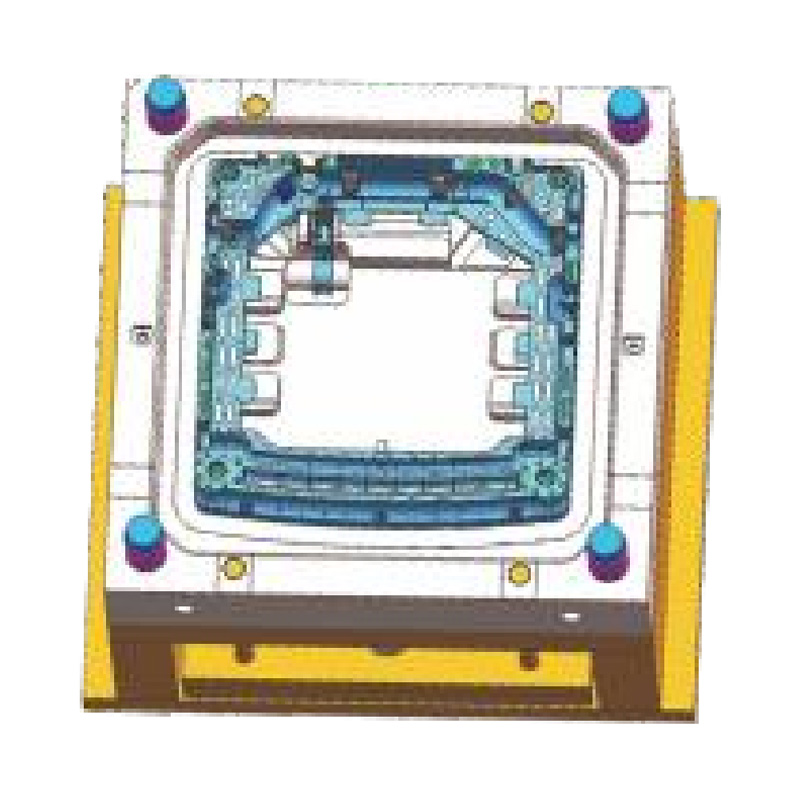
The injection mold for household washing machine parts is an important...
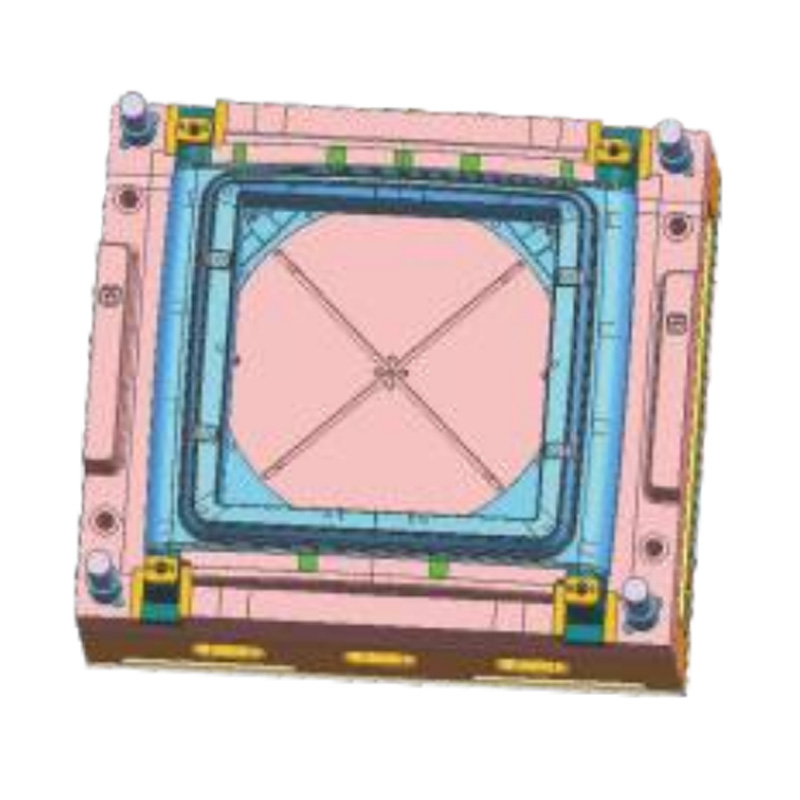
From the perspective of household appliance mold manufacturing, househ...
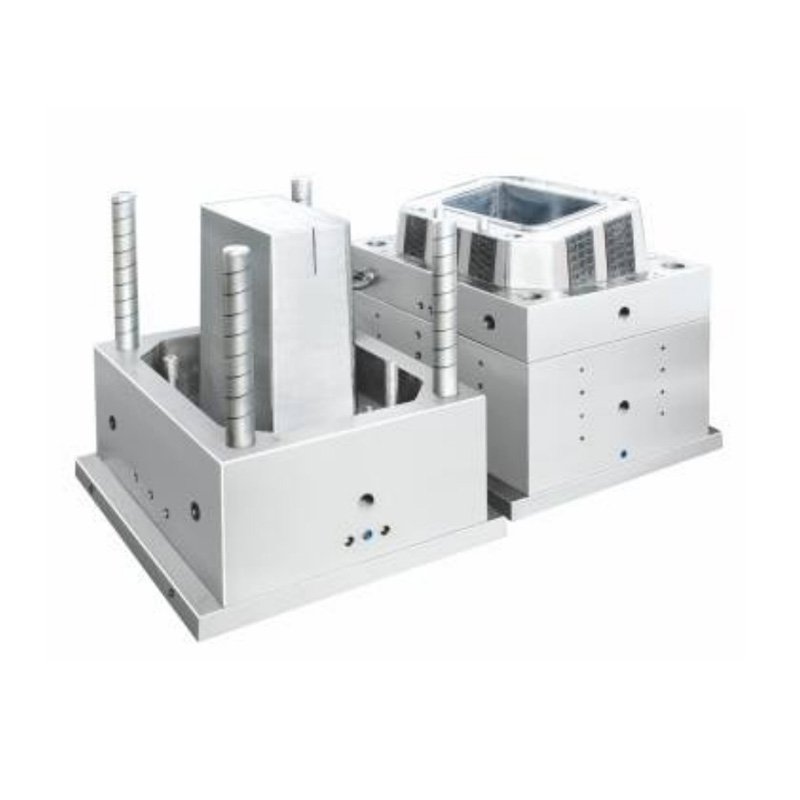
The stackable large-capacity outdoor trash can mold is specially desig...
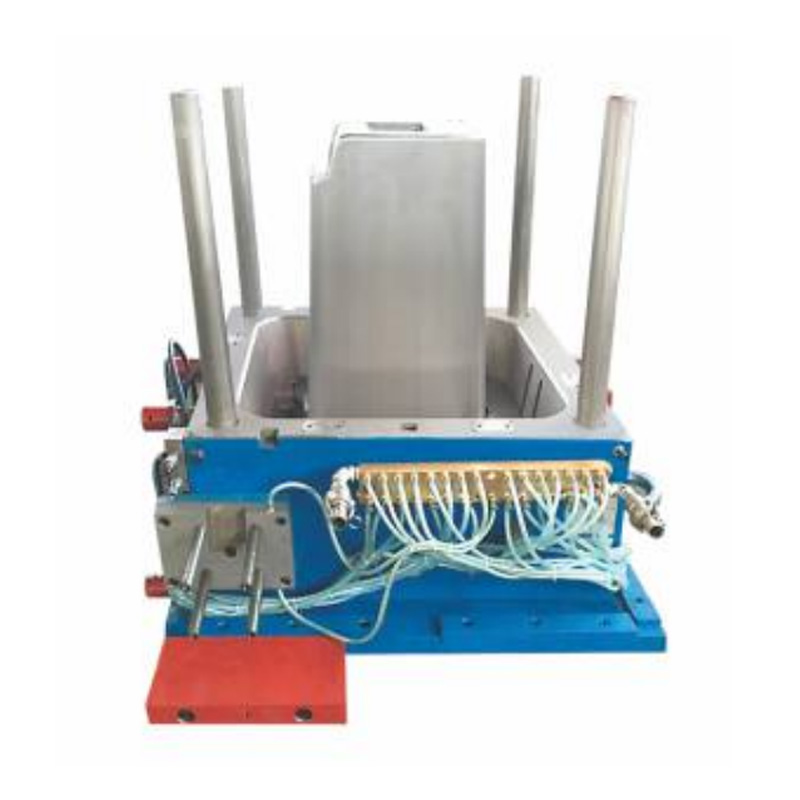
The wheeled flip-top plastic trash can mold is specially designed for ...
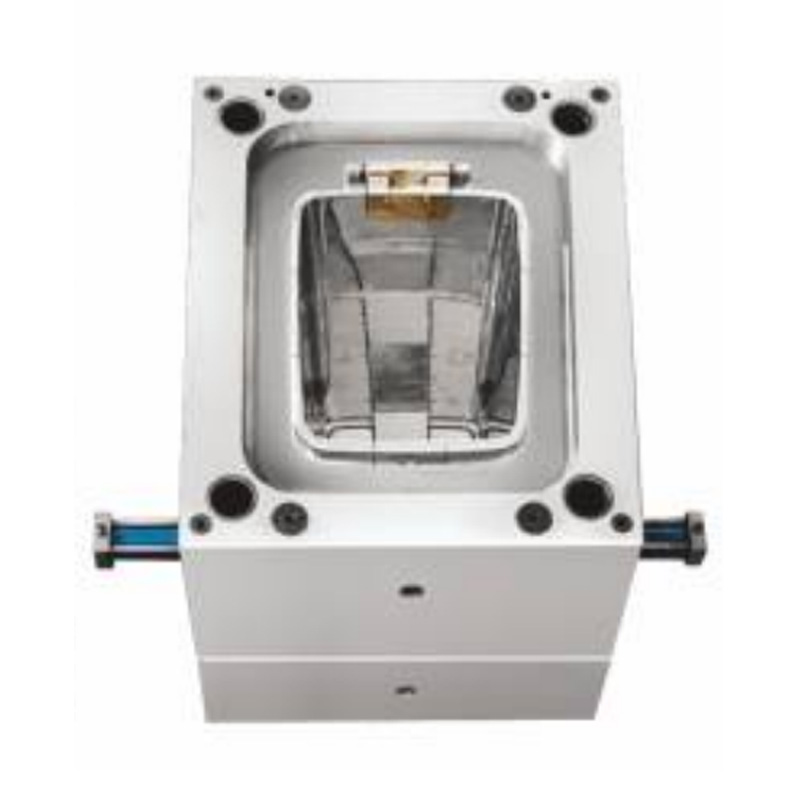
The injection mold for the rotating top flip trash can is specially de...
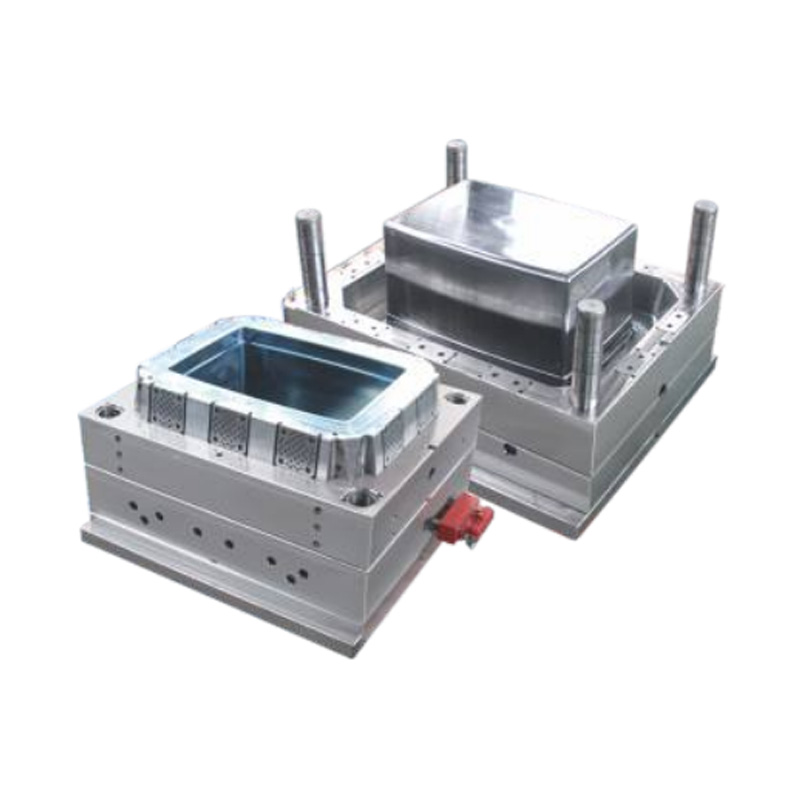
The plastic storage box with handle storage mold is specially designed...
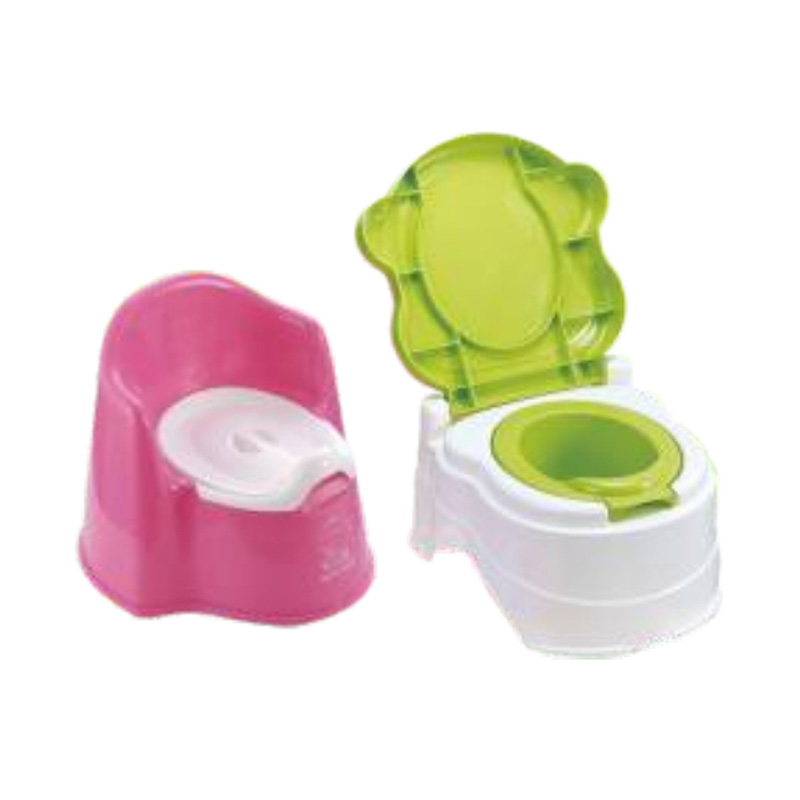
The plastic mold of the children's toilet trainer with a step stool is...
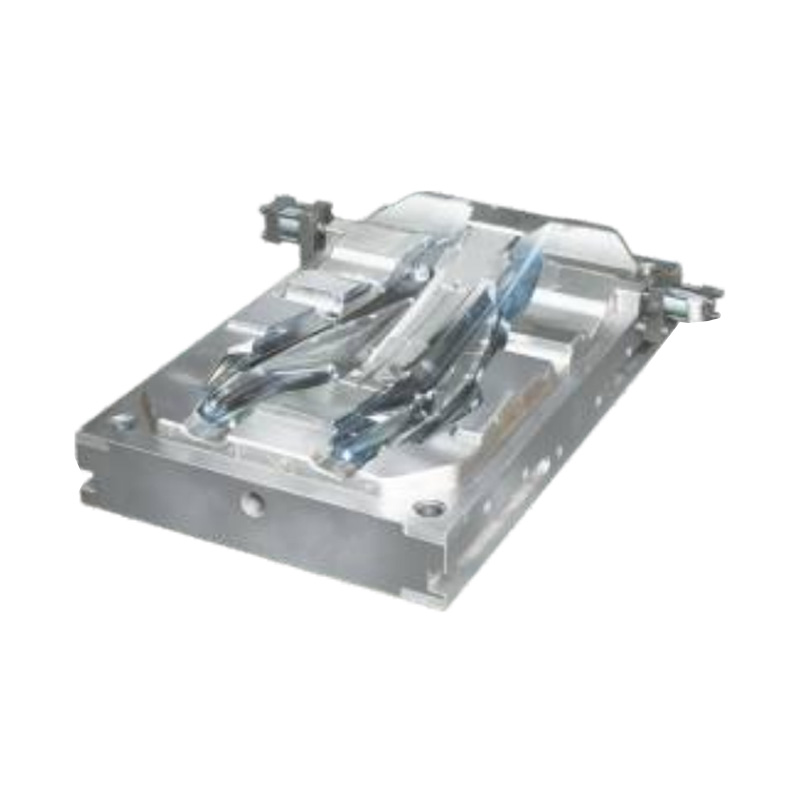
The motorcycle rear tail seat side cover plastic mold is a high-precis...
Copyright © Taizhou Huangyan Jingnan Moulding Co., Ltd. All Rights Reserved

Plastic Injection Mold Manufacturer