 English
 中文简体
中文简体Industrial Air Cooler Plastic Mold
As an OEM factory specializing in the design and manufacture of air co...



A Plastic Pallet Mold must be designed to evenly distribute weight across the pallet surface. Uneven load distribution can cause deformation when pallets are stacked or subjected to forklift pressure.
The mold should incorporate ribbing or reinforced zones to prevent bending under stacked loads. These features ensure that multiple pallets can be safely stacked without compromising structural integrity.
Forklift compatibility requires precise placement of entry tunnels or pockets. The mold design must consider standard forklift dimensions to allow smooth and safe lifting without damaging the pallet.
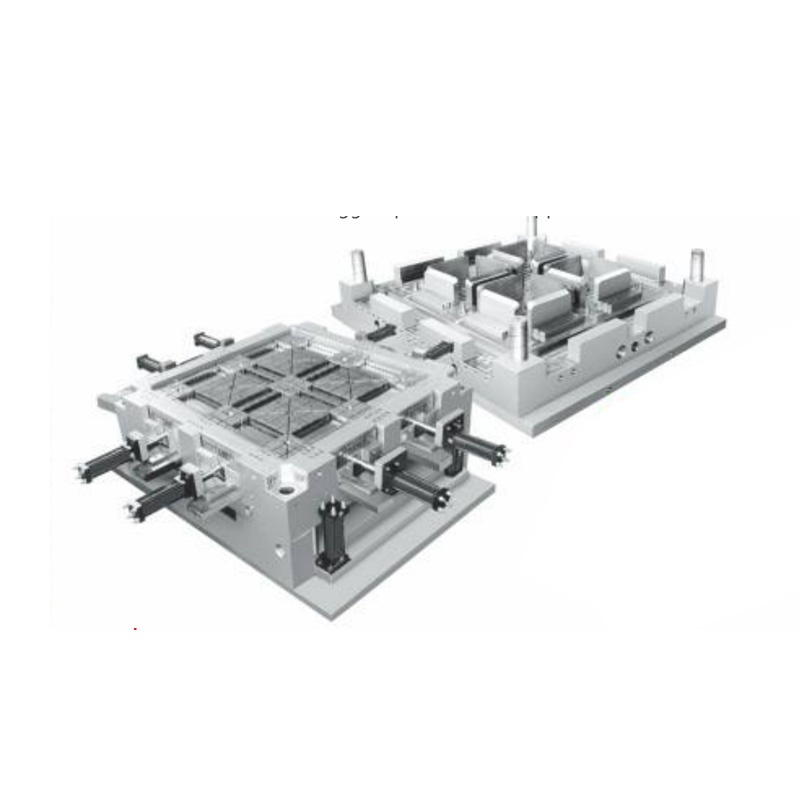
Ribs are essential to improve rigidity. Vertical ribs support the top deck against heavy loads, while horizontal ribs provide lateral stability.
Incorporating cross beams in the mold ensures that the pallet maintains its shape when lifted or stacked. These reinforcements prevent sagging and reduce wear over time.
Corners often experience high stress during handling. Reinforced corners in the mold help absorb impact and prevent cracking during forklift movement.
The mold must balance strength with material efficiency. Thicker walls improve load capacity but increase cycle time and material use.
Using durable materials such as high-density polyethylene (HDPE) ensures that molded pallets can withstand repeated stacking and forklift activity without permanent deformation.
Some molds incorporate glass fibers or other fillers to enhance stiffness and load-bearing capacity. The mold design must account for the flow characteristics of these composite materials.
Solid decks provide surface support but add weight, whereas open or grid decks reduce material use and weight but require careful rib design to maintain strength.
The bottom runners must align with the forklift entry zones. Proper placement ensures that pallets can be lifted without excessive bending or pressure points.
Molded feet or blocks elevate the pallet for forklift tines while distributing the load evenly across the bottom surface.
Modern molds often undergo FEA to simulate load, stacking, and forklift interaction. This process identifies potential weak points before production.
Producing prototype pallets allows for real-world testing of stackability and forklift performance. Adjustments to the mold can be made before full-scale manufacturing.
Following industry standards, such as ISO or ASTM, ensures that pallets molded from the design meet expected weight and stacking requirements.
Reinforced mold surfaces and high-quality steel components ensure long-term durability and consistent pallet quality.
Mold design should facilitate cleaning to prevent material buildup, which can affect stacking alignment and forklift handling.
Routine checks of mold components, such as ribs and runner inserts, prevent degradation that could compromise structural performance.
A well-designed Plastic Pallet Mold is crucial for ensuring that pallets can be safely stacked and efficiently handled by forklifts. Simulation and prototyping further enhance design accuracy, while proper maintenance ensures long-term performance. Effective mold design ultimately reduces product damage, improves logistics efficiency, and extends the service life of both pallets and forklifts.
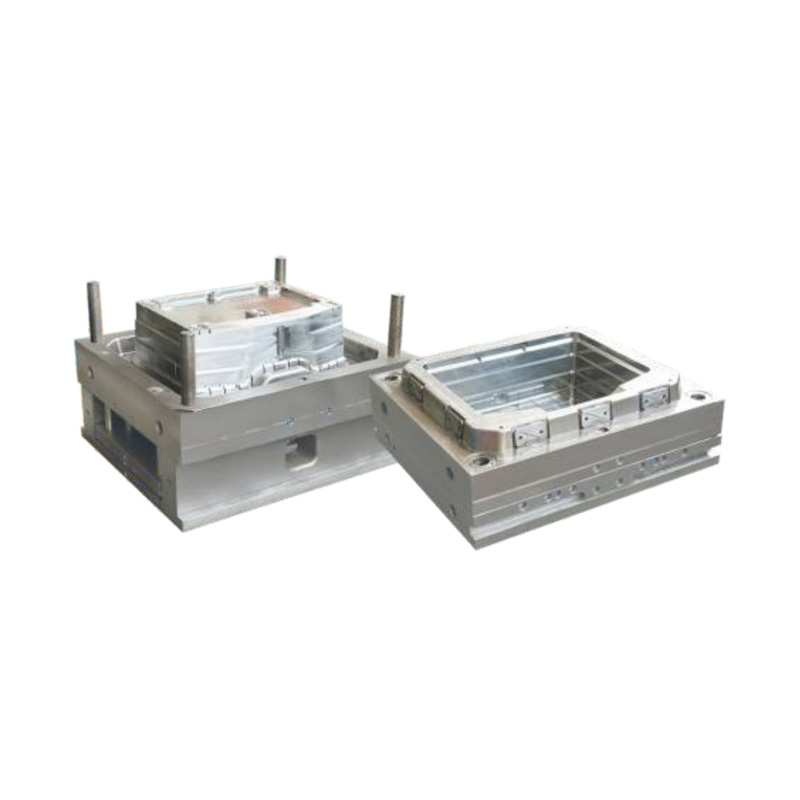
As an OEM factory specializing in the design and manufacture of air co...
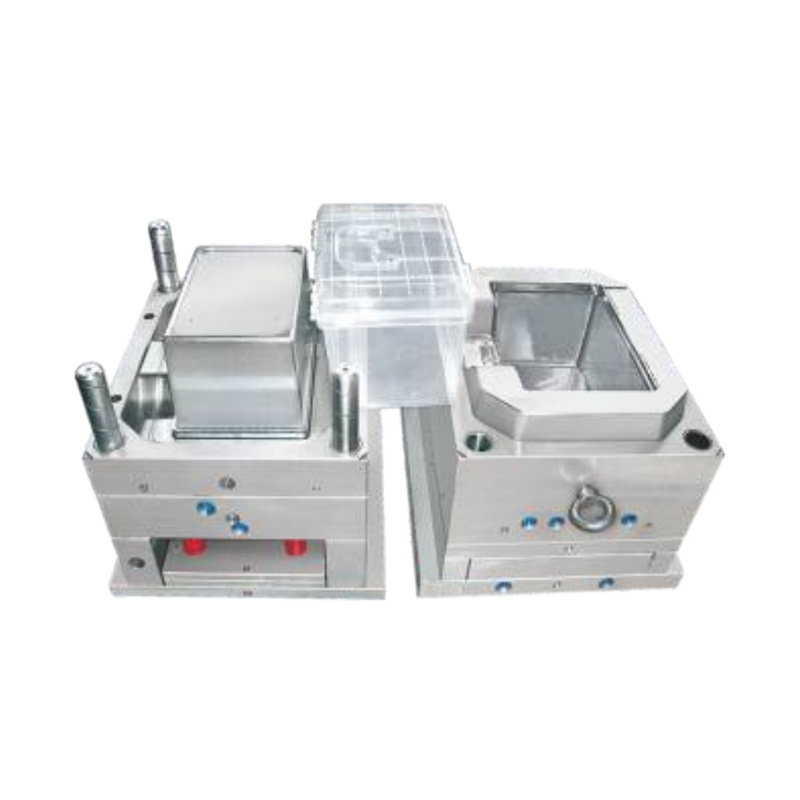
As a professional plastic mold manufacturer, Jingnan Mould has signifi...
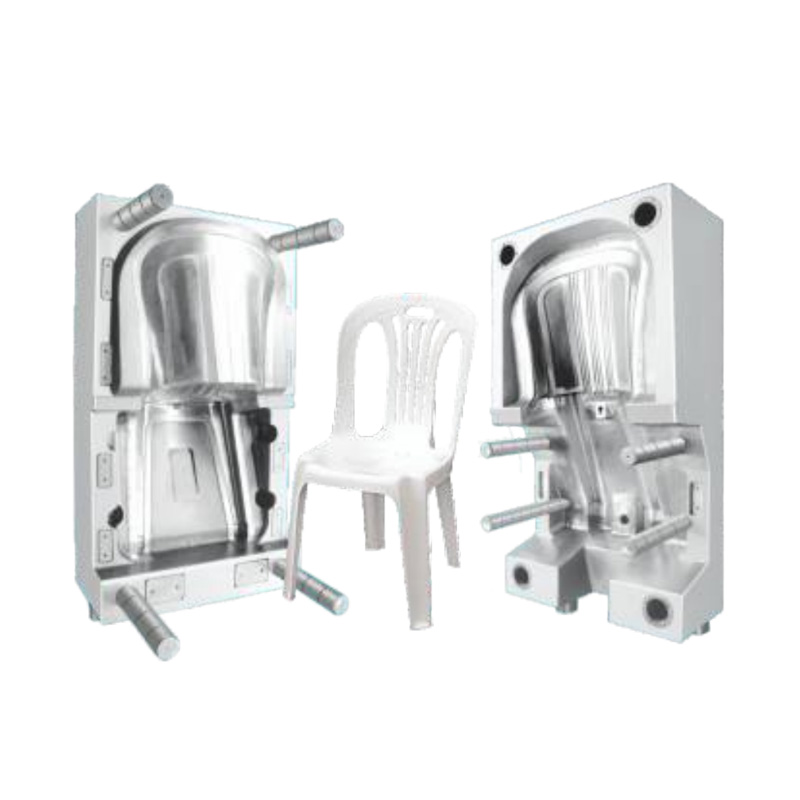
The armless plastic garden chair mold is a high-precision injection mo...
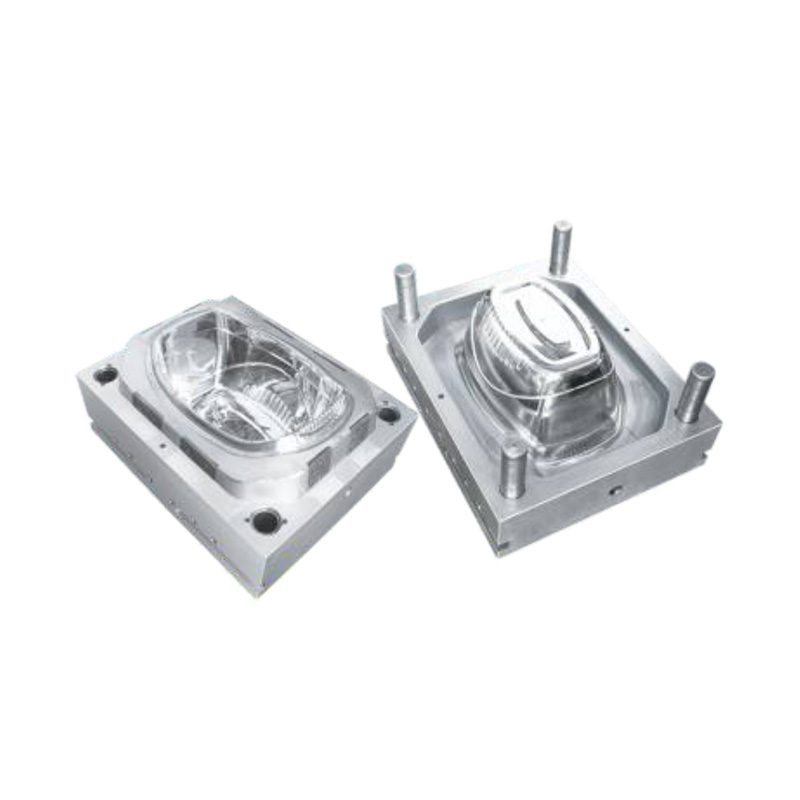
Newborn child bathtub plastic molds are designed for the production of...
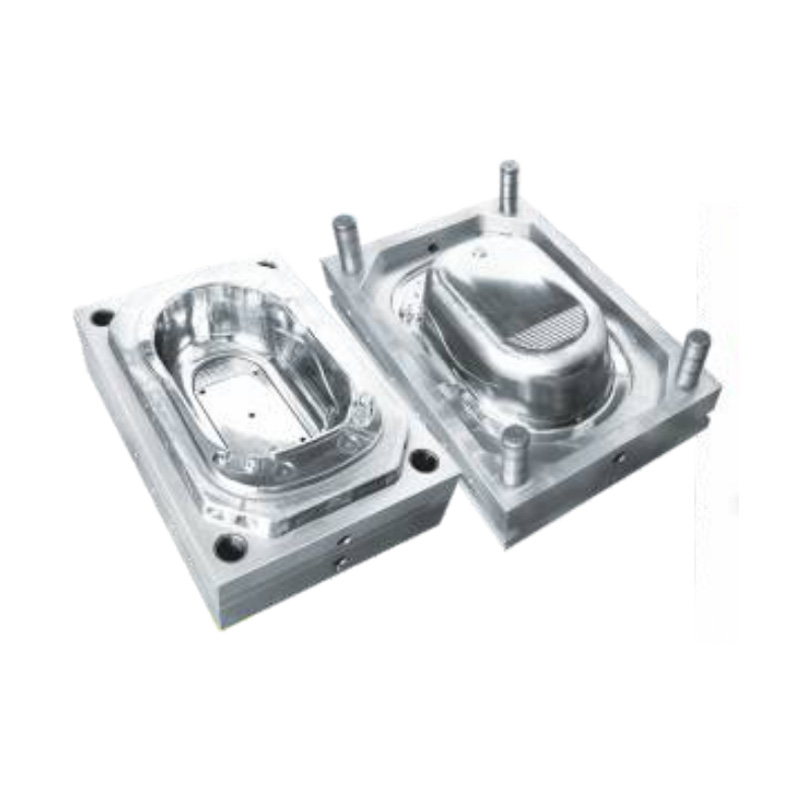
The safe and non-slip baby bathtub plastic mold is a high-precision mo...
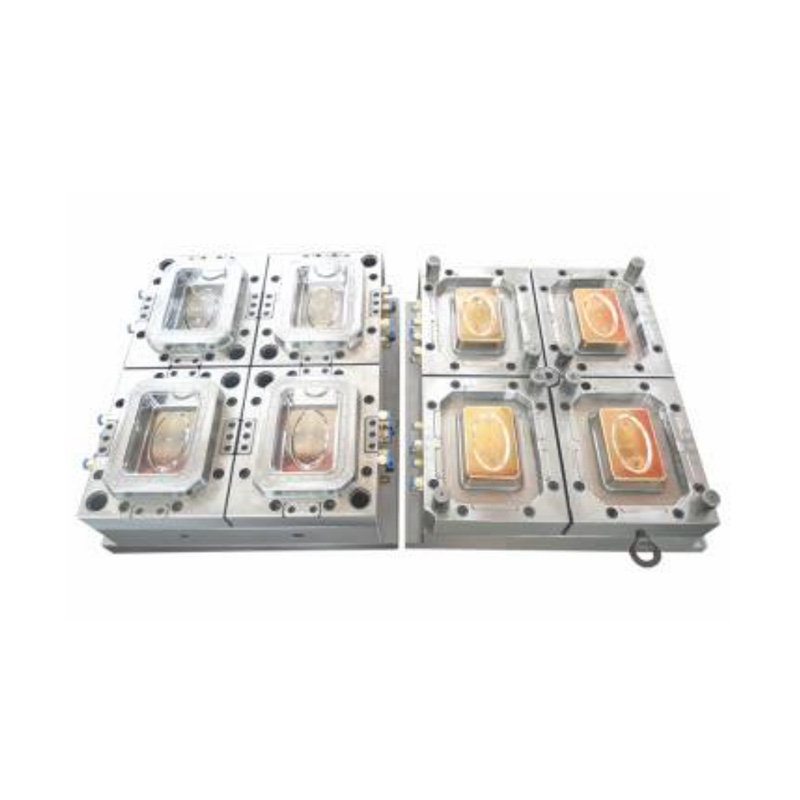
The thin-wall injection mold for square food containers with lids is a...
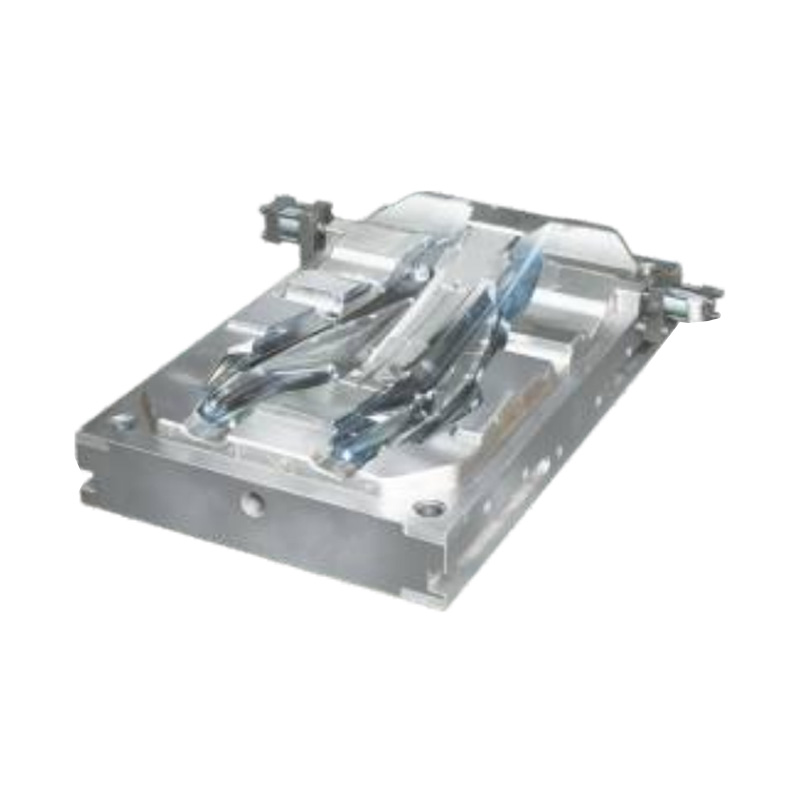
The motorcycle rear tail seat side cover plastic mold is a high-precis...
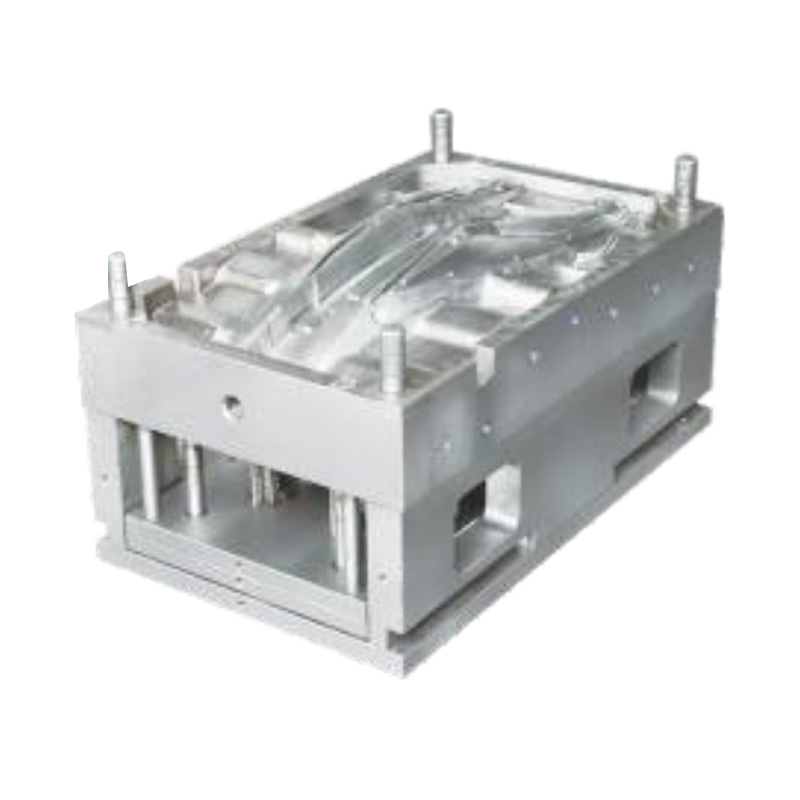
The motorcycle fender plastic accessory mold is an important injection...
Copyright © Taizhou Huangyan Jingnan Moulding Co., Ltd. All Rights Reserved

Plastic Injection Mold Manufacturer