 English
 中文简体
中文简体Round Exhaust Ventilation Fan Plastic Mold
The circular ventilation and exhaust fan plastic mold is a high-precis...



The runner system in a Plastic Trash Can Mold is essential for guiding molten plastic from the injection point to various cavities. An efficient system ensures uniform filling, reduces material waste, and reduces cycle time.
Poor runner design can cause defects such as short shots, warping, or sink marks. By optimizing the flow path, manufacturers can achieve consistent wall thickness and surface finish.
Different plastics, such as polypropylene (PP) or high-density polyethylene (HDPE), have unique viscosities and cooling characteristics, which directly affect runner design decisions.
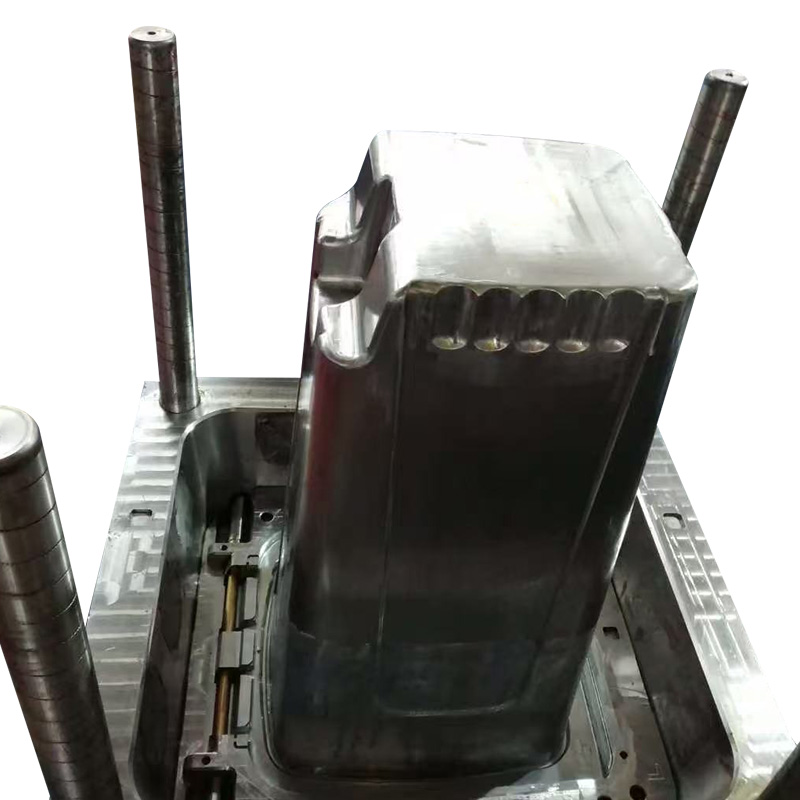
Cold runners are simpler and less expensive to manufacture. They are suitable for molds with fewer cavities but may increase material waste, as leftover runners must be trimmed after molding.
Hot runners maintain plastic in a molten state, allowing direct injection into cavities. This reduces material waste, shortens cycle times, and provides more consistent filling.
Combining hot and cold runners can optimize cost and efficiency, particularly in multi-cavity molds where some parts benefit from hot runner precision while others use cold runner simplicity.
The runner diameter should be carefully calculated based on the material flow rate and cavity volume. Too narrow runners can cause high pressure drops, while overly large runners increase cycle time and waste.
Smooth, gradual curves in the runner system reduce turbulence and prevent premature cooling. Sharp corners or abrupt changes in cross-section can create flow marks or incomplete filling.
In multi-cavity molds, ensuring that each cavity receives plastic simultaneously is critical. Balanced flow paths help avoid uneven filling, which can compromise dimensional accuracy and surface quality.
Choosing the correct gate type, such as edge, submarine, or pinpoint gates, affects how molten plastic enters the cavity. For large plastic trash cans, multiple edge gates often provide uniform filling.
Placing gates strategically reduces weld lines, air traps, and stress concentrations. Gates should target areas that allow natural flow without compromising aesthetics or structural integrity.
Proper gate sizing ensures that molten plastic enters the cavity efficiently without excessive shear or pressure, which can degrade the material.
Maintaining consistent temperatures along hot runners prevents premature solidification and ensures smooth flow. Advanced controllers can adjust heating zones for suitable performance.
In cold runner systems, channeling coolant around the runners helps maintain predictable solidification times and reduces cycle inconsistencies.
3. Insulation and Heat Retention
Proper insulation prevents heat loss in both hot and hybrid systems, contributing to more efficient energy usage and consistent product quality.
Mold flow simulation software allows engineers to predict how plastic travels through runners and cavities. Adjustments can be made virtually to optimize balance and reduce defects.
Physical trials provide data on fill time, pressure distribution, and potential short shots. These tests help fine-tune gate positions, runner diameters, and thermal settings.
Collecting production feedback, such as defect rates and cycle efficiency, enables ongoing optimization, ensuring the runner system remains efficient across different batches and materials.
Designing an efficient runner system for a Plastic Trash Can Mold requires careful consideration of flow dynamics, gate placement, thermal management, and material properties. Leveraging simulation tools and trial runs ensures that each design iteration delivers better performance, helping achieve consistent, high-quality plastic trash cans in large-scale production.
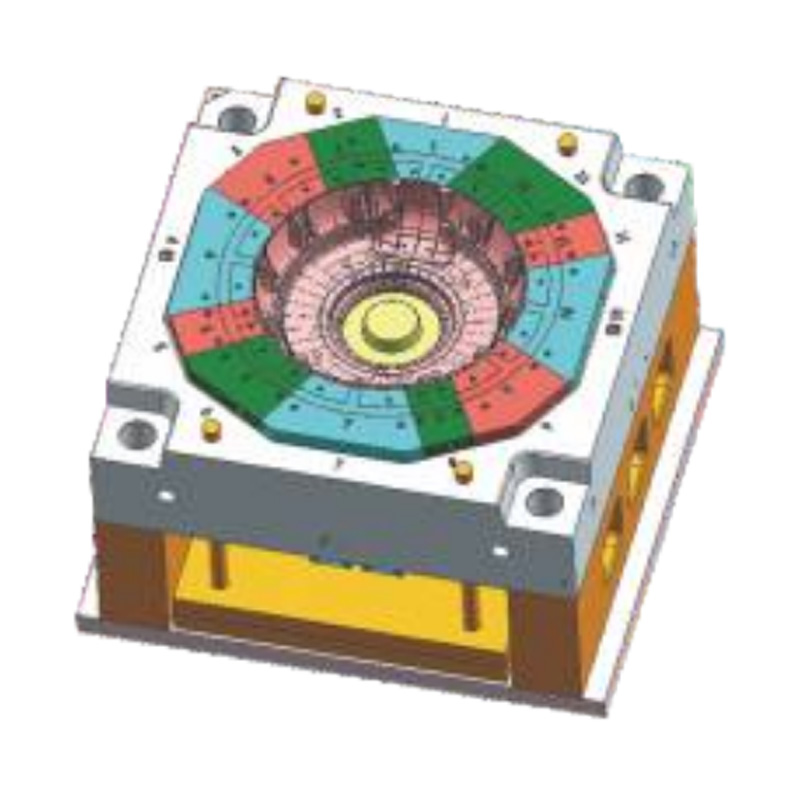
The circular ventilation and exhaust fan plastic mold is a high-precis...
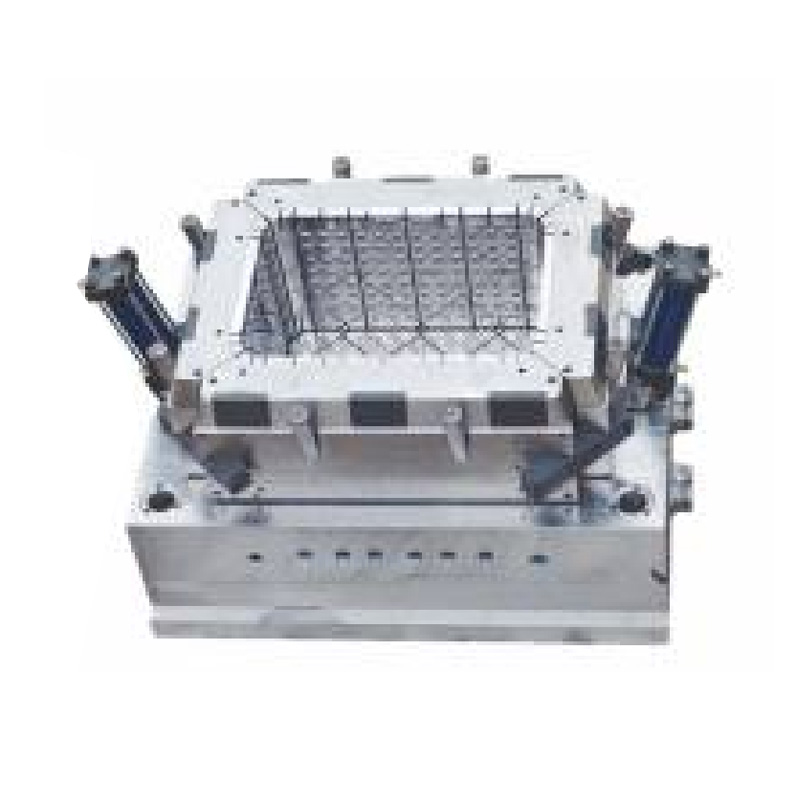
The plastic basket turnover box mold for fruits and vegetables with ha...
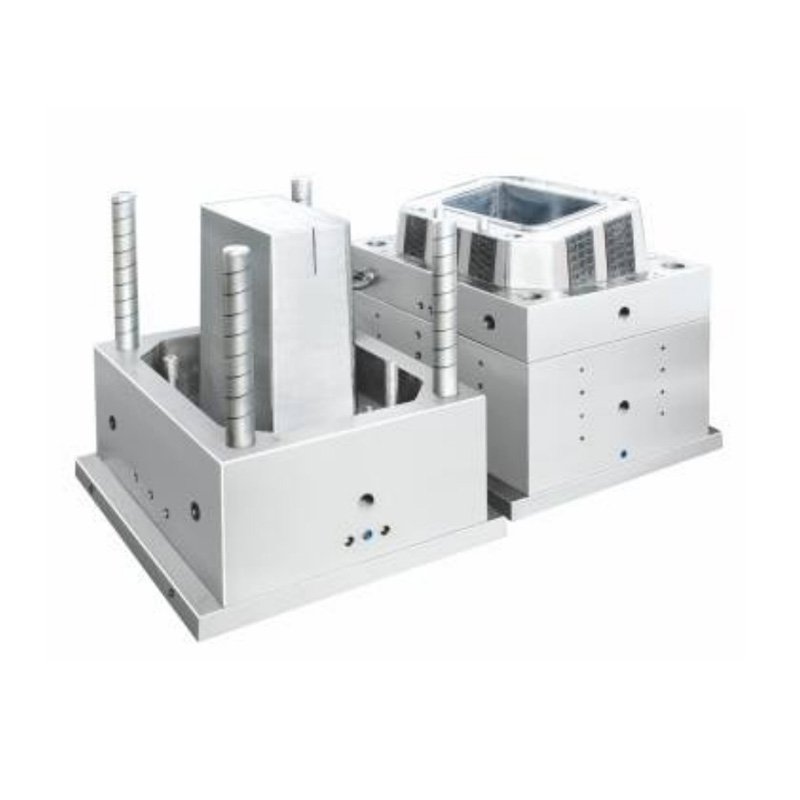
The stackable large-capacity outdoor trash can mold is specially desig...
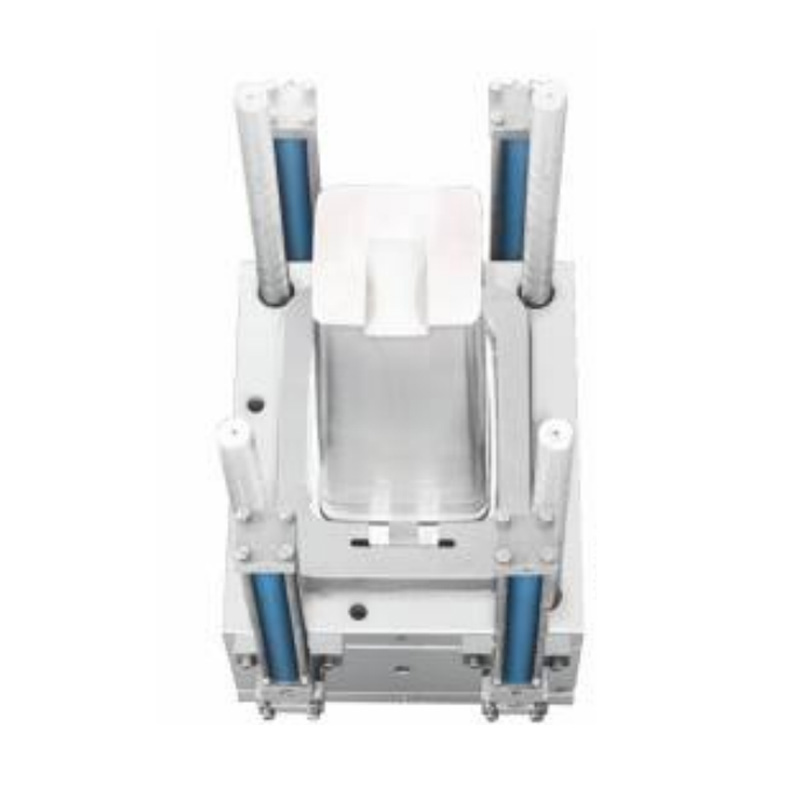
The household kitchen sealed pedal trash can mold is designed to meet ...
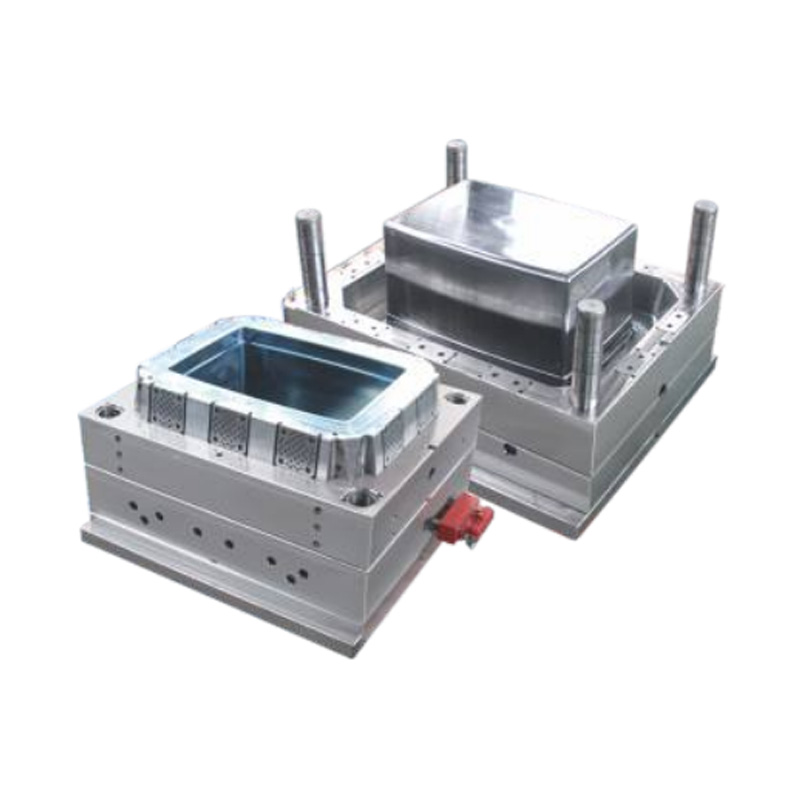
The plastic storage box with handle storage mold is specially designed...
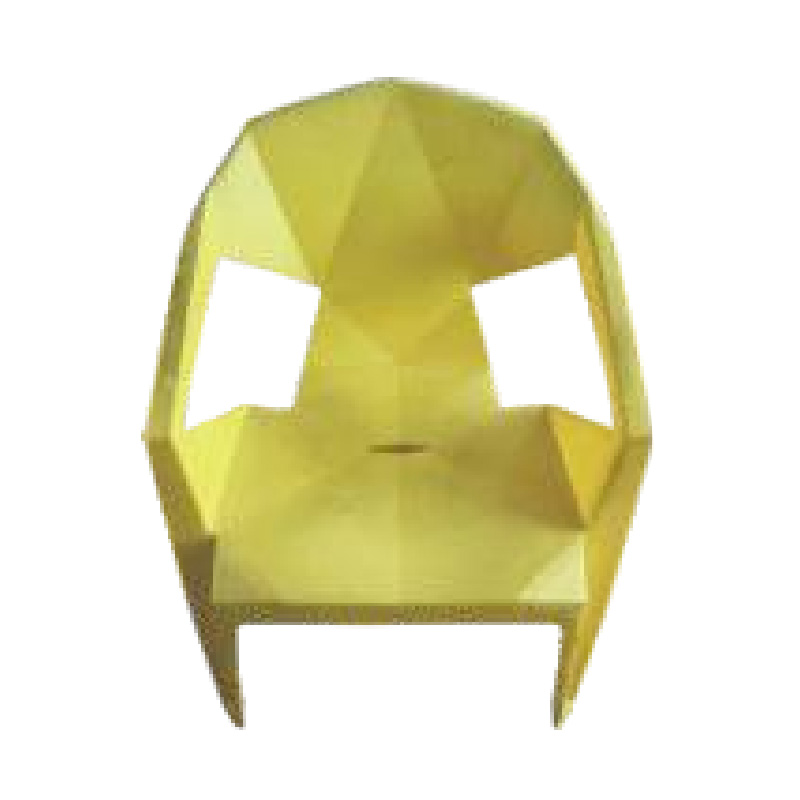
Irregular design restaurant plastic chair molds are specially designed...
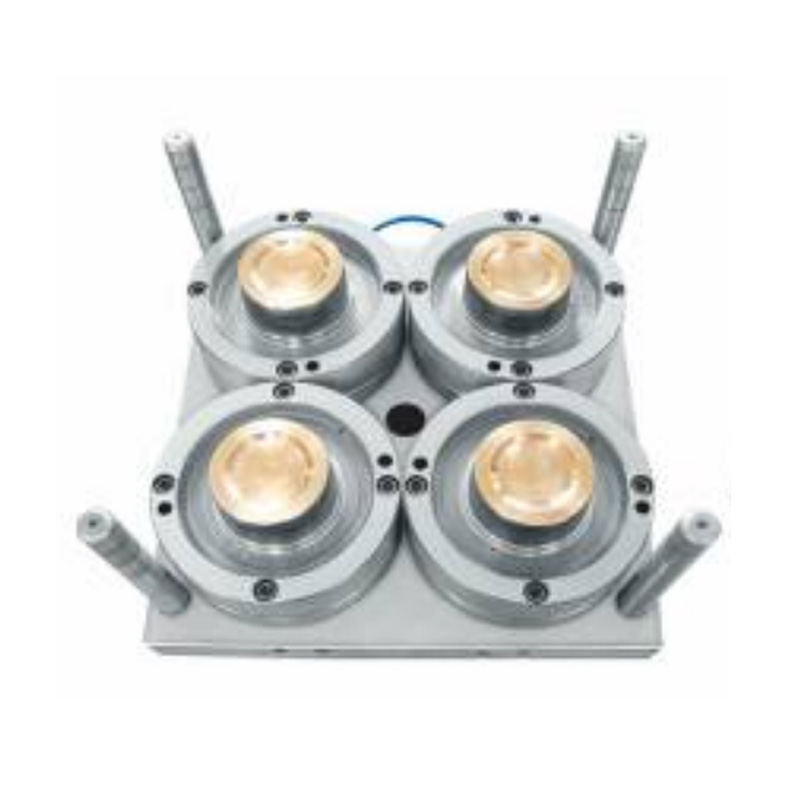
The manufacturing process of thin-wall injection molds for round food ...
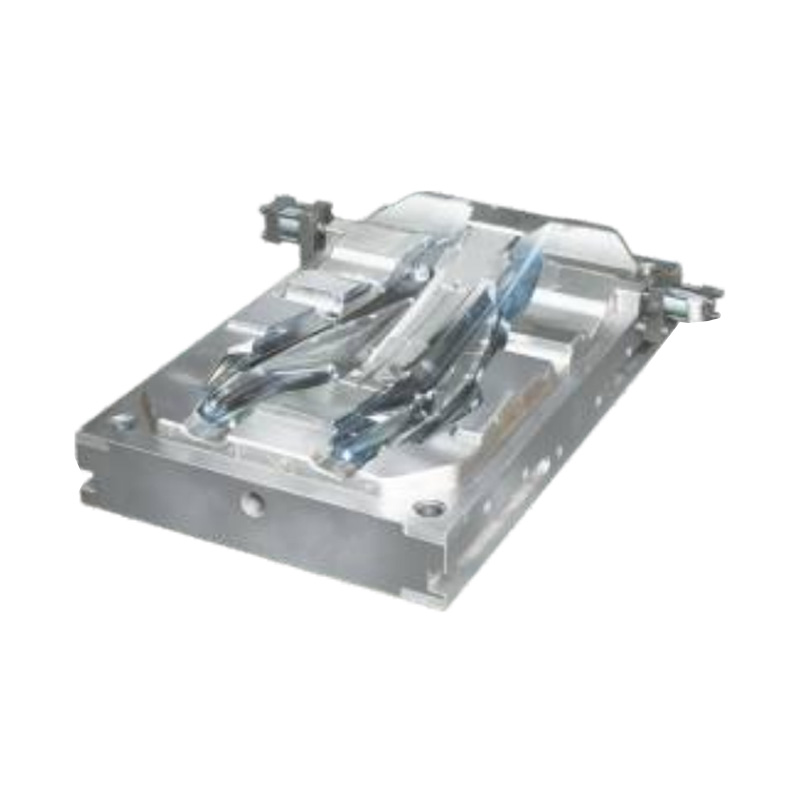
The motorcycle rear tail seat side cover plastic mold is a high-precis...
Copyright © Taizhou Huangyan Jingnan Moulding Co., Ltd. All Rights Reserved

Plastic Injection Mold Manufacturer