 English
 中文简体
中文简体Agricultural Produce Plastic Basket Crate Injection Mold
The hollow turnover box mold for agricultural products is specially de...



You have one Plastic Basket Mold design sitting in your mold library. It handles both your warehouse storage and your outbound shipping — or at least, that was the plan. Then the complaints start: baskets cracking under forklift loads, stacks collapsing in the racking system, labels getting obscured during picking. The reality is that logistics and warehousing place different mechanical and spatial demands on containers, and those demands must be resolved at the mold design stage — not after production.
Logistics baskets spend their lives being lifted, dropped, dragged, stacked on pallets, and loaded onto vehicles. They absorb shock. They flex under weight. They interact with forklifts, conveyor belts, and loading dock edges.
Warehouse baskets, by contrast, sit still. They are slotted into racking, positioned under pick-and-place systems, and organized for visual access. Their job is to stay put, stay visible, and stack predictably.
These are not variations of the same task. They are structurally different operating environments — and a Plastic Basket Mold designed for one will underperform in the other.
In transit, a basket may carry dense goods across long distances, sometimes stacked three or four high on a pallet. The mold must produce walls and bases that resist compression without adding unnecessary weight to the container itself.
Key structural requirements for logistics basket molds include:
Handle design is especially critical. Integrated handles molded as part of the shell outperform snap-on handles under repeated loading cycles. The mold must account for this from the start.
Logistics containers regularly encounter hard surfaces — dock plates, concrete floors, metal conveyor rollers. Resistance to these impacts is not a material property alone; it is a geometry property. A mold that produces sharp internal corners concentrates stress. A mold with radiused transitions distributes it. This distinction is invisible in the final product but determines service life.
A warehouse basket that saves 15mm of vertical clearance across a full racking bay can mean an additional storage tier. Space is cost. The mold geometry directly controls how baskets nest when empty and how precisely they stack when loaded.
Requirements for warehouse basket molds center on:
Yes — and more than most buyers expect. A stacking ledge that is slightly out of specification across a production run of thousands of units creates cumulative instability in racking systems. The tolerance control in the mold directly translates to the consistency of stacking behavior in the warehouse. This is not something that can be corrected through basket design adjustments after molding.
| Design Feature | Logistics Basket Mold | Warehouse Basket Mold |
|---|---|---|
| Wall thickness | Heavier sections at stress points | Uniform, lighter profile |
| Base structure | Forklift runner integrated | Flat or racking-compatible feet |
| Handle design | Molded-in, load-rated | Minimal or absent |
| Stacking system | Pallet-oriented stack height | Precision ledge for racking |
| Sidewall type | Solid or minimally vented | Open lattice for visibility |
| Corner geometry | Radiused for impact absorption | Standard, space-optimized |
| Label zone | Secondary consideration | Recessed, standardized position |
| Nesting capability | Limited | Typically included |
The table above does not represent minor aesthetic differences. Each row reflects a mold engineering decision that affects either mechanical performance, operational compatibility, or cost per unit.
Polypropylene offers good fatigue resistance and is well-suited to living hinges and flexible handle zones — useful for logistics applications. High-density polyethylene carries higher impact strength at lower temperatures, making it a reasonable choice for cold-chain warehouse environments.
But the material choice changes how the mold must be gated, vented, and cooled:
A mold designed around one material cannot simply be rerun with the other and produce the same dimensional result. This is a point that often surfaces mid-project when assumptions about material interchangeability have already been built into the schedule.
Off-the-shelf basket molds are designed around average conditions. When load profiles, racking systems, handling equipment, or product dimensions fall outside average parameters — which they frequently do in specialized logistics or high-density warehousing — a custom mold becomes the more practical path.
Common triggers for custom mold development:
Each of these scenarios changes the mold structure at a fundamental level — gate location, rib layout, wall thickness map, and cooling circuit design all shift together.
Not necessarily. A mold with well-designed cooling channels and balanced gating can run shorter cycle times despite greater geometric complexity. The relationship between mold cost and per-unit cost is not linear.
Factors that affect the economics:
Understanding these relationships helps procurement and engineering teams evaluate mold proposals beyond the initial tooling price.
Technical capability in basket mold design goes beyond general injection molding experience. The relevant questions are specific:
Suppliers who work regularly with logistics and warehousing clients tend to have developed their own reference libraries of base geometry, handle configurations, and stacking systems. That accumulated knowledge shortens development cycles and reduces prototype iterations.
Getting a basket mold right means resolving the gap between what the operating environment requires and what the mold is capable of producing — consistently, at scale, across the full service life of the tool. Logistics and warehousing are not interchangeable contexts, and treating them as such introduces engineering risk that compounds over time. The structural decisions embedded in a mold define the container's behavior before a single unit ships. Working with a manufacturer who understands the mechanical logic behind these design differences — not just the tooling process — is where the real value lies. Taizhou Huangyan Jingnan Moulding Co., Ltd. brings focused engineering attention to basket mold development across both logistics and warehousing applications, with the capability to translate specific use-case requirements into durable, production-ready tooling solutions. If your current basket design is carrying the weight of two different environments, it may be time to consider whether your mold was ever built to handle either one properly.
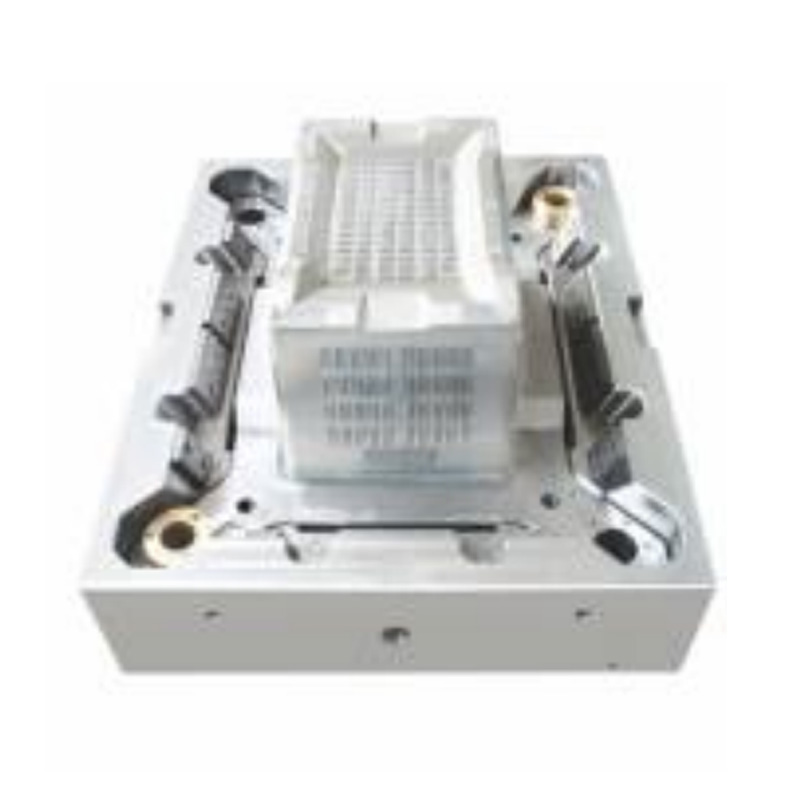
The hollow turnover box mold for agricultural products is specially de...
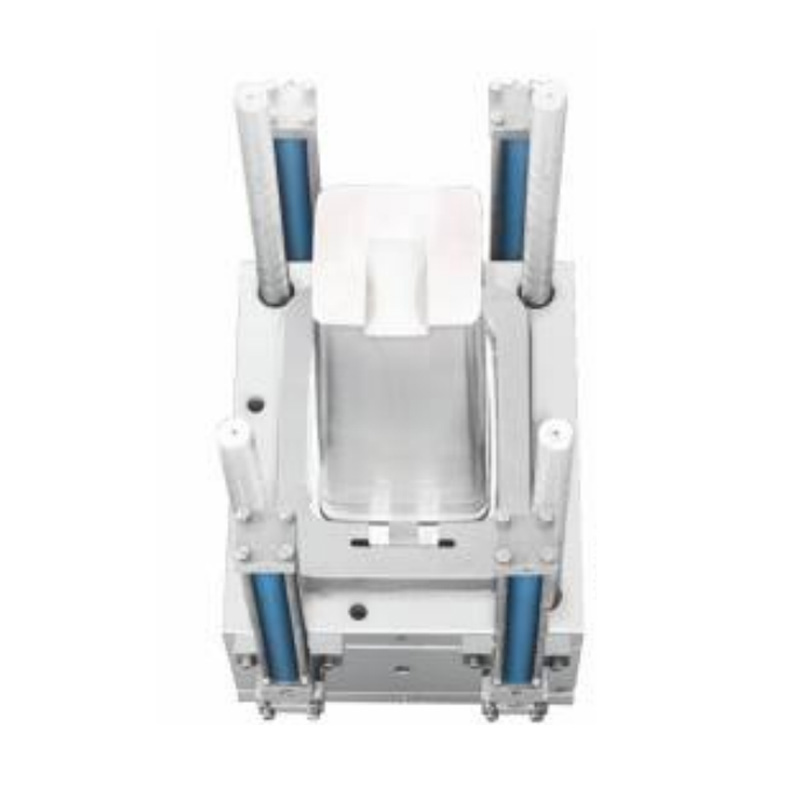
The household kitchen sealed pedal trash can mold is designed to meet ...
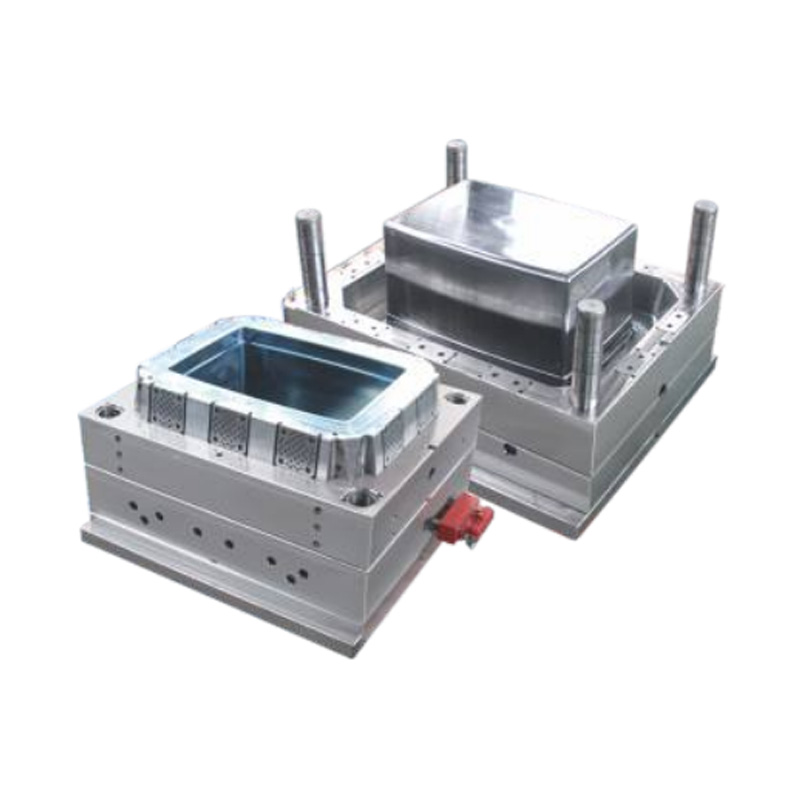
The plastic storage box with handle storage mold is specially designed...
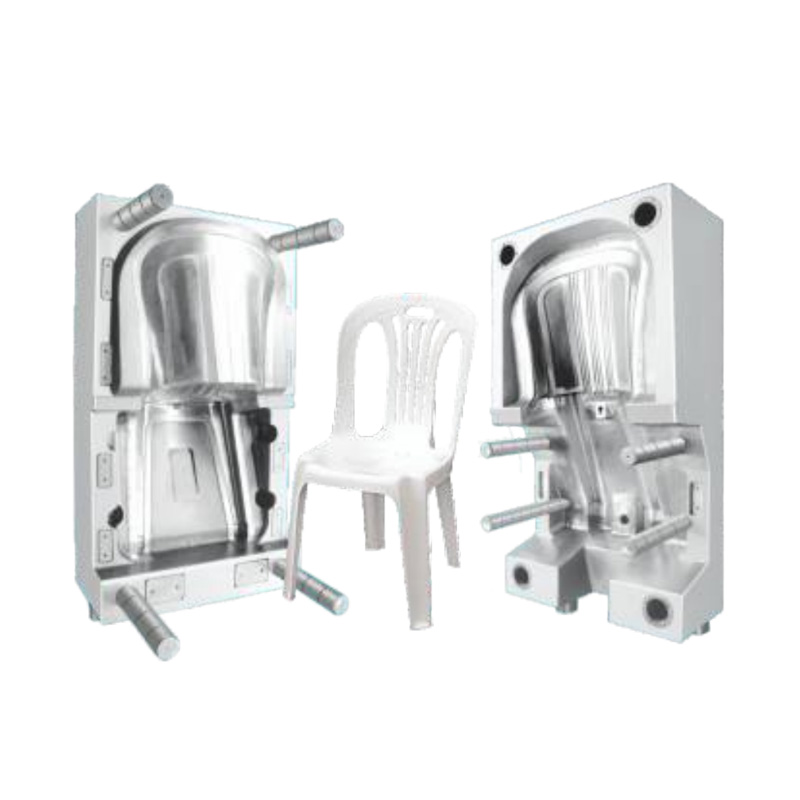
The armless plastic garden chair mold is a high-precision injection mo...
The hot and cold runner plastic cutlery spoon thin-wall mold is design...
The manufacturing process of thin-wall injection molds for round food ...
The motorcycle fuel tank cap plastic injection mold is a high-precisio...
The motorcycle fender plastic accessory mold is an important injection...
Copyright © Taizhou Huangyan Jingnan Moulding Co., Ltd. All Rights Reserved

Plastic Injection Mold Manufacturer