 English
 中文简体
中文简体Household Appliance Air Cooler Mold
From the perspective of household appliance mold manufacturing, househ...



Getting a mold quote is easy. Getting a mold that actually performs across a full production lifetime — that is a different matter entirely. Buyers who have navigated a difficult tooling project before know the gap between a price and an outcome. Late delivery, dimensional drift after a few thousand shots, cooling problems that push cycle time past the agreed specification — these experiences reshape how the next purchase gets evaluated. A Plastic Basket Mold is not a commodity, and two quotes at similar prices can represent genuinely different outcomes depending on what is behind the numbers.
Cavity steel is the most consequential material decision in the whole project. It determines how many production cycles the mold delivers before wear starts affecting part quality — and it affects how the tool responds to the thermal stress of repeated injection cycles.
Common steel grades in Plastic Basket Mold production:
The right steel depends on what is being molded, how many shots are planned, and where the mold will operate. A supplier who does not ask these questions before specifying steel is not doing the technical work the purchase requires.
Cavity count sets the output per injection cycle. One cavity, one basket. Two cavities, two baskets. The economics follow from there — machine hours, material consumption, per-part cost at volume. It sounds simple, but the decision involves trade-offs that are easy to underestimate.
Multi-cavity molds cost more to build and need larger machines with higher clamping force. The investment gets recovered through lower per-part cost at volume. For high-volume production plans, the multi-cavity route usually makes financial sense over the tooling lifetime — but only if the cavity layout is correctly balanced.
Key questions worth asking:
An unbalanced multi-cavity mold creates part variation between cavities. That variation generates sorting requirements that quietly offset the efficiency gain.
The runner system carries molten plastic from the injection point to the cavities. In a cold runner system, that plastic solidifies with each shot and needs to be removed — discarded or recycled. A hot runner system keeps the channels at melt temperature, so nothing solidifies and the runner step disappears from the cycle.
For basket mold applications, the choice comes down to volume and economics.
Cold runner works well at lower volumes. Simpler, cheaper to build, easier to maintain, compatible with a wider range of materials. The runner waste is a real cost, but at lower volumes it does not dominate the picture.
Hot runner makes its case at high volumes. No material waste to manage, shorter cycle times because runner cooling is eliminated, more consistent fill pressure across cavities. The added tooling cost gets recovered through material and cycle savings — but the payback period depends on how many parts are actually running.
For buyers with serious volume plans, asking a supplier to model the payback on hot runner investment is a reasonable request. For lower-volume or multi-material operations, cold runner is usually the more practical call.
Cooling is where cycle time either gets compressed or wasted. In injection molding of hollow products like baskets, the part has to reach a temperature at which it can be ejected cleanly — and how fast that happens depends entirely on how well the cooling channels pull heat away from the cavity surfaces.
A poorly designed cooling system does not just slow the cycle. It causes problems that follow the parts into production: uneven cooling drives warping and sink marks, hot spots accelerate localized wear, and inconsistent temperatures across cavities mean some baskets come out fine while others do not.
When evaluating a supplier's cooling approach, press for specifics:
Suppliers who answer these questions with engineering detail are treating cooling as a design parameter. Suppliers who offer reassurances without specifics are not.
After cooling, the basket needs to release from the mold without deforming or marking. Baskets are typically thin-walled with draft angles designed for clean release — but the ejection system still has to apply force at the right locations, otherwise stress marks end up on every part in the run.
Common ejection approaches for basket molds:
This is worth reviewing as part of the mold specification, not assumed to be handled correctly. One misplaced ejector pin is the kind of detail that surfaces in the T1 trial and costs time to fix — or worse, gets accepted and shows up in production parts.
| Comparison Factor | What to Ask the Supplier | Why It Matters |
|---|---|---|
| Steel grade | What grade is specified for cavities and cores? | Determines service life and wear resistance |
| Cavity count | Is the layout balanced for equal fill and cooling? | Affects part consistency across cavities |
| Runner system | Hot or cold runner, and why? | Affects material waste and cycle efficiency |
| Cooling design | Channel position and flow balance? | Directly controls cycle time and part quality |
| Ejection system | Pin placement or stripper plate? | Affects surface quality and release consistency |
| Mold base quality | Steel specification and origin? | Affects dimensional stability of the overall tool |
| Mold life expectation | Shot count and under what conditions? | Determines long-term cost of the tooling investment |
| Design software | What CAD/CAM and simulation tools are used? | Indicates whether cooling and fill have been modeled |
Mold life is expressed in shot count — how many production cycles before wear, surface degradation, or fatigue requires significant maintenance. That figure matters enormously for the economics of the tooling investment. But a shot count without context is not particularly useful.
What actually drives mold life:
When a supplier quotes a mold life figure, ask what conditions it assumes. Steel grade, material being molded, production rate, maintenance interval — without these, the number cannot be meaningfully compared between suppliers.
Mold flow simulation models how plastic fills the cavity before any machining starts. It surfaces problems — weld lines, air traps, uneven fill, cooling imbalance — at the design stage, when changes cost time but not metal. Fixing the same issues after T1 costs considerably more.
Suppliers using simulation can provide:
Suppliers who do not use simulation are working from experience alone. That can be adequate for straightforward geometries — but for basket designs with variable wall thickness, integrated handles, or drainage grid structures, it introduces risk that simulation would have caught.
Asking to see simulation outputs during the quotation process is a low-effort way to assess technical capability before any money changes hands.
Buyers sourcing molds for proprietary basket designs — branded shapes, application-specific structures, or unique drainage configurations — need more than a factory that can copy a reference part. Genuine OEM capability means the supplier can work from customer-supplied geometry, provide design feedback that improves the mold without compromising the part, and manage the approval process through to production-ready tooling.
A supplier with real OEM capability should be able to:
For buyers planning to run production at multiple facilities using the same mold design, mold ownership terms need to be agreed before the project starts. Ownership, maintenance responsibility, and storage arrangements after the project ends are commercial terms that vary between suppliers — and discovering them after tooling is paid for creates problems that are difficult to resolve.
Lead time varies with complexity, cavity count, and a supplier's current workload. What matters more than the quoted lead time is what happens within it — specifically, whether the trial and correction process is built into the schedule or treated as an afterthought.
A structured acceptance process covers:
Suppliers who compress or skip these stages under schedule pressure shift the quality risk onto the buyer. Confirming upfront that the process is structured — and that each stage has an agreed output — is part of how buyers protect their tooling investment.
Choosing a Plastic Basket Mold is a technical evaluation, not just a price comparison. Steel grade, cooling layout, runner system, ejection engineering, and the supplier's genuine design capability all shape whether the investment delivers the production performance it is supposed to. Taizhou Huangyan Jingnan Moulding Co., Ltd. manufactures Plastic Basket Mold tooling for a range of applications, working with buyers on design specifications, OEM requirements, steel selection, and production planning. If you are evaluating tooling options for a basket production project or reviewing your current supplier's technical capability, reaching out to their team is a practical starting point.
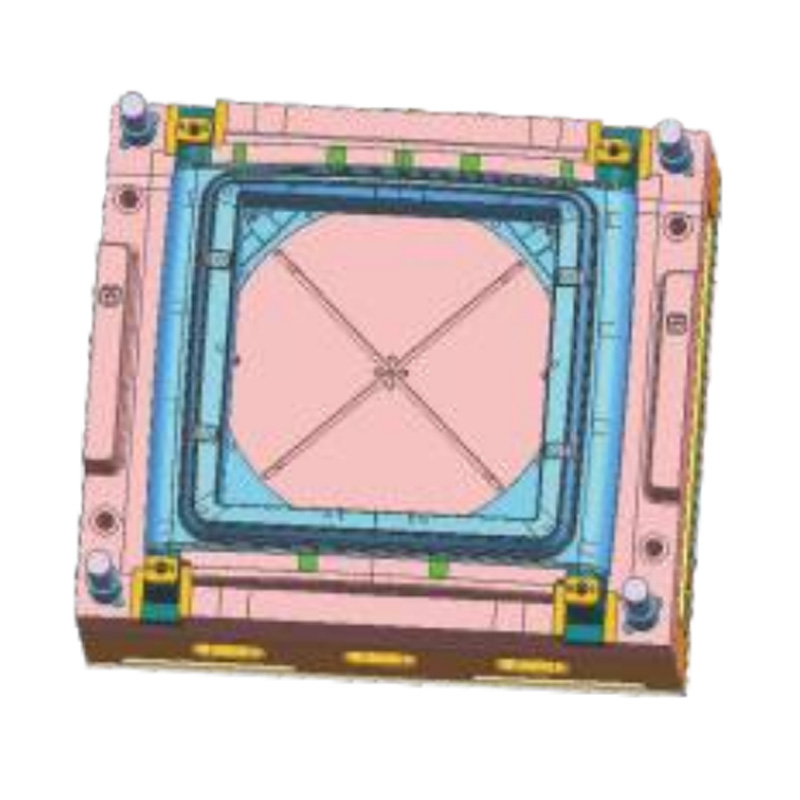
From the perspective of household appliance mold manufacturing, househ...
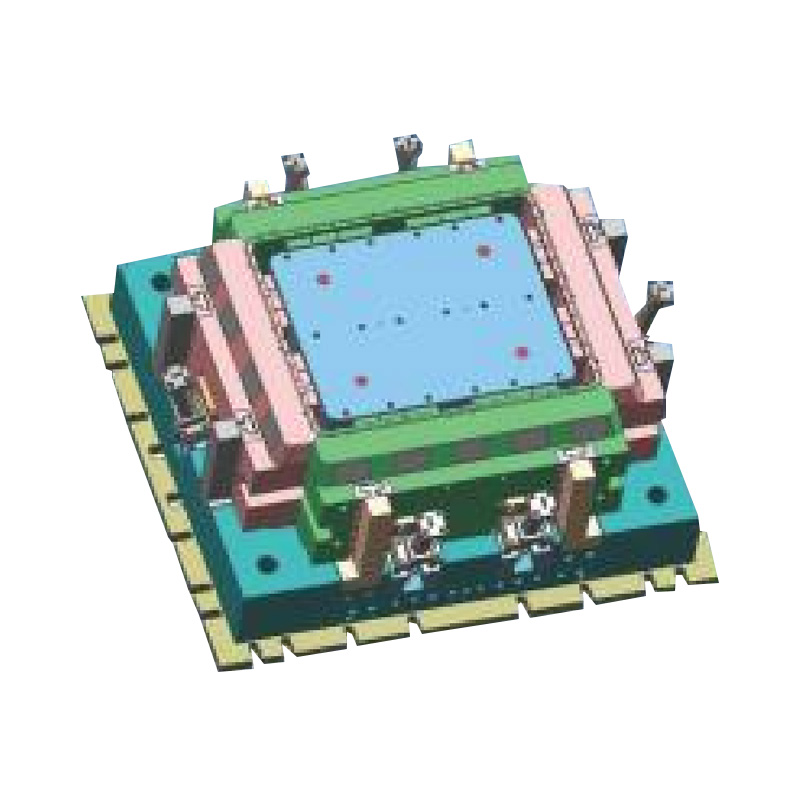
Square hard plastic anti-overflow pallet crate mold is designed for th...
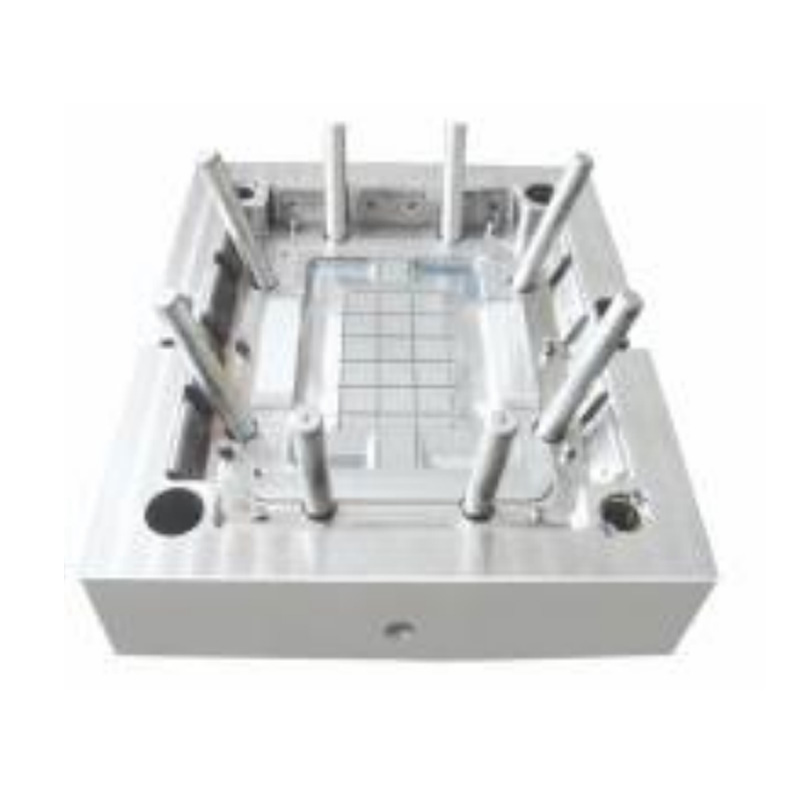
The injection mold for seafood transport plastic turnover box is speci...
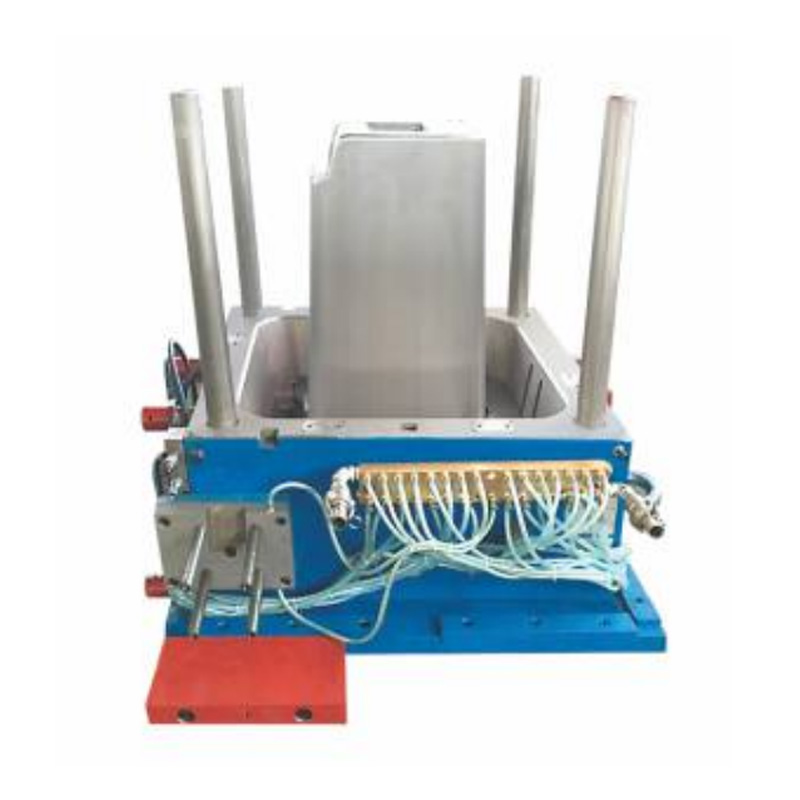
The wheeled flip-top plastic trash can mold is specially designed for ...
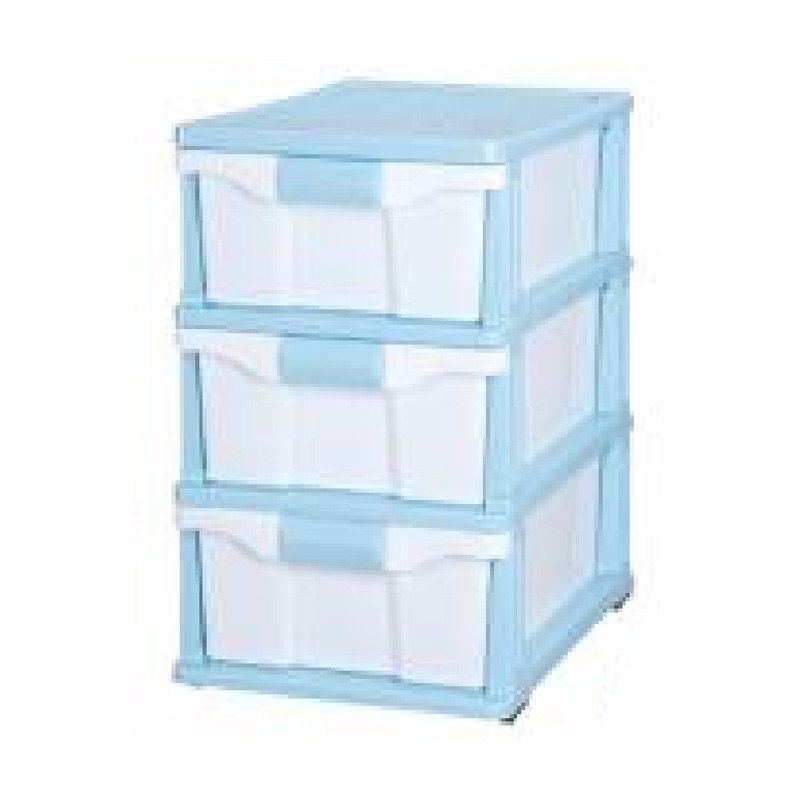
The multifunctional stackable office and home plastic storage box mold...
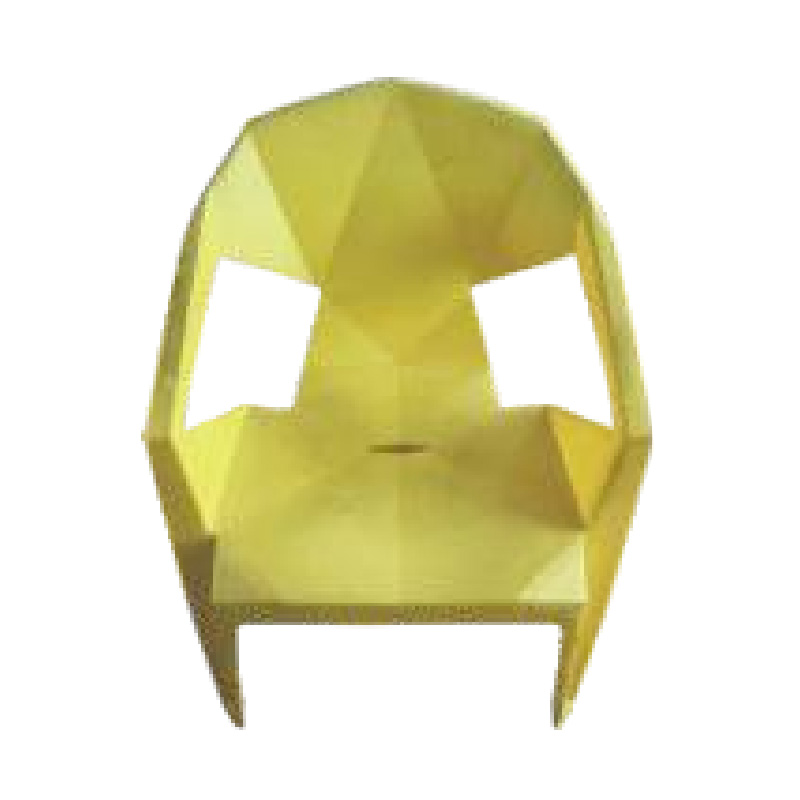
Irregular design restaurant plastic chair molds are specially designed...
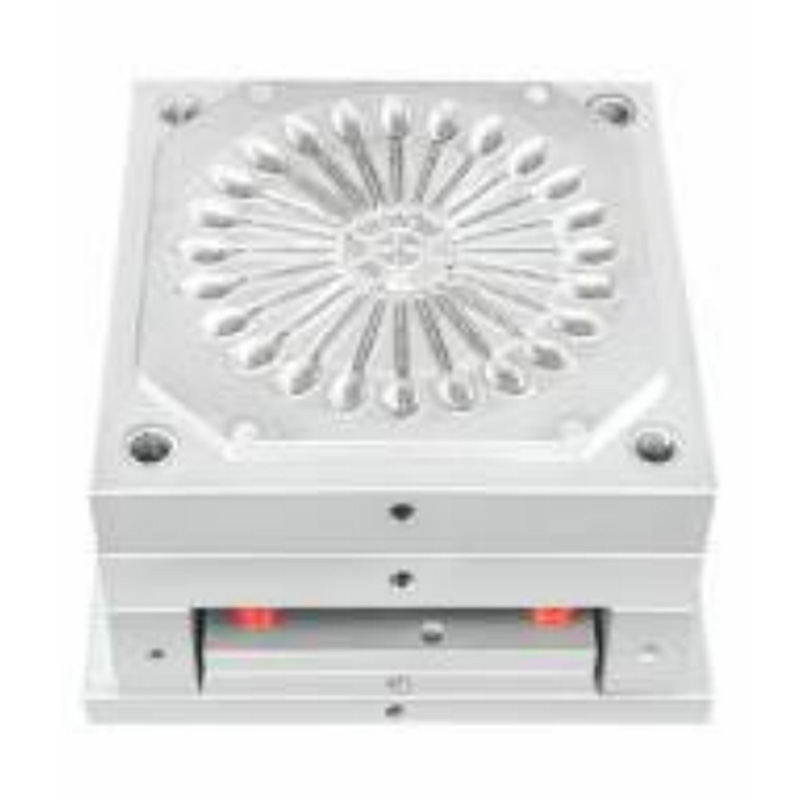
The hot and cold runner plastic cutlery spoon thin-wall mold is design...
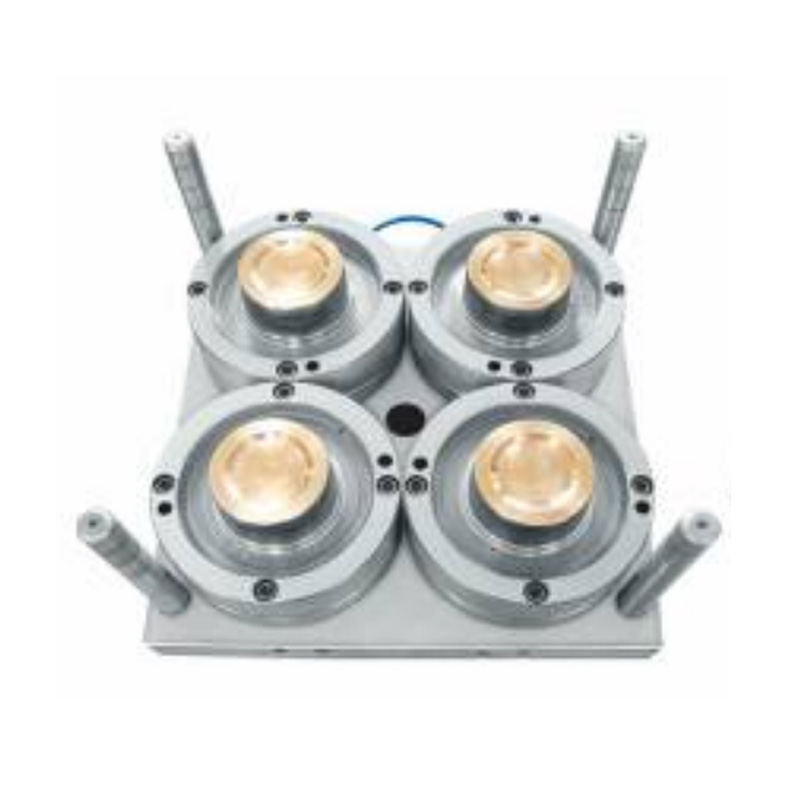
The manufacturing process of thin-wall injection molds for round food ...
Copyright © Taizhou Huangyan Jingnan Moulding Co., Ltd. All Rights Reserved

Plastic Injection Mold Manufacturer