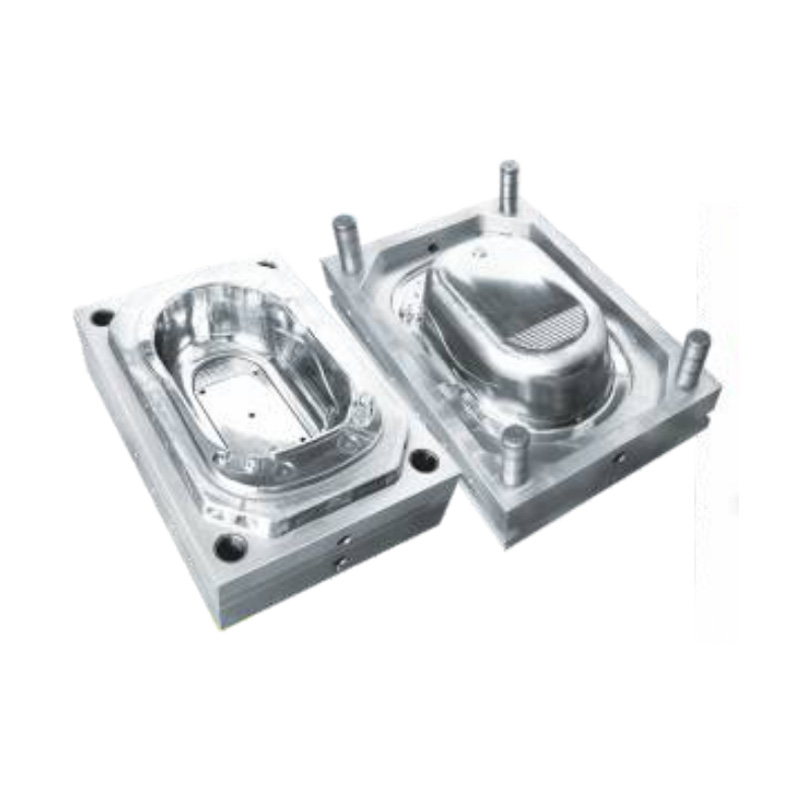
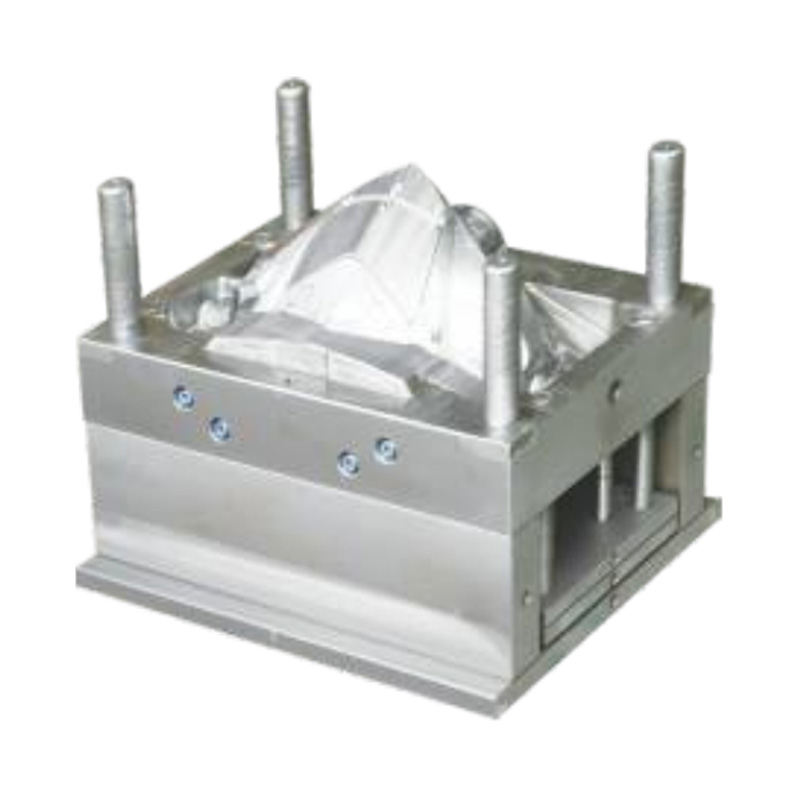
What Factors Influence Plastic Basket Mold Efficiency?
- Cycle Time Optimization: Plastic Basket Mold shorter molding cycles cause higher output. Optimizing injection speed, cooling time, and ejection speed without compromising part quality is essential.
- Mold Design Accuracy: Precise mold construction reduces defects like warping, sink marks, or incomplete filling, reducing waste and downtime.
- Machine Capability: The performance of the injection molding machine, including clamping force, injection pressure, and stability, directly affects efficiency.
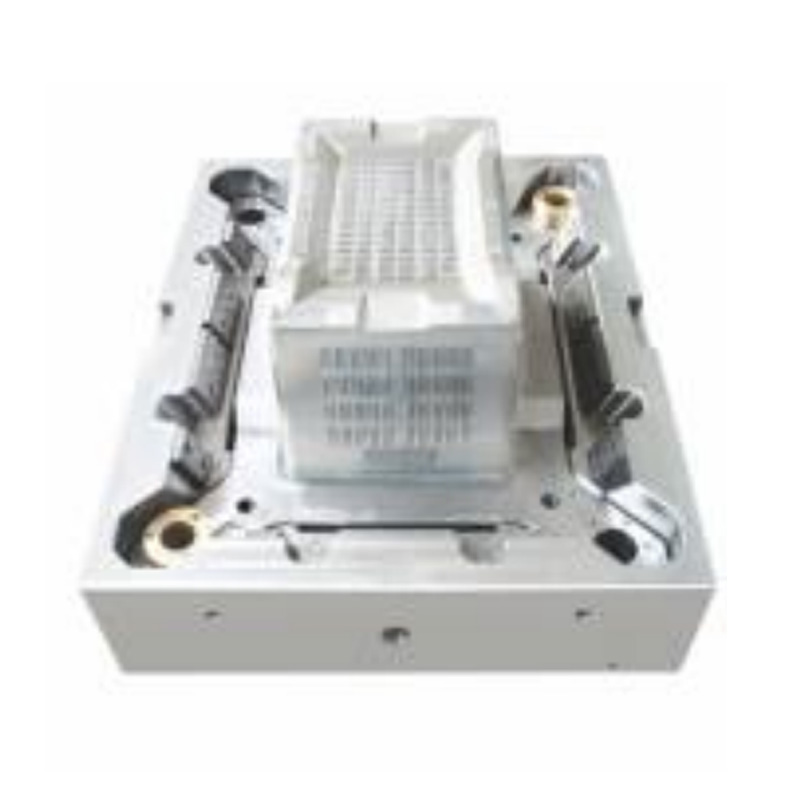
How Can Mold Design Improve Production Speed?
- Gate and Runner System: Proper gate placement ensures uniform material distribution, reducing filling issues and cycle time.
- Cooling Channel Layout: Efficient cooling channels enable faster heat dissipation and consistent part quality, shortening overall cycle duration.
- Ejection System Efficiency: Well-designed ejectors prevent sticking, reduce manual intervention, and ensure smooth part removal.
- Ventilation: Proper venting prevents air traps, reducing defects and allowing faster molding cycles.
What Role Does Material Selection Play in Efficiency?
- High-Flow Resins: Using resins with good flow properties can fill molds faster and reduce pressure-related defects.
- Temperature-Compatible Polymers: Materials suitable for shorter cooling times allow reduced cycle times without affecting product integrity.
- Additives for Release: Mold release agents or lubricants reduce adhesion to the mold surface, reducing downtime due to part sticking.
- Consistent Material Quality: Using consistent resin batches avoids variations in viscosity and shrinkage, ensuring predictable production cycles.
How Can Equipment Optimization Boost Output?
- Regular Maintenance: Preventive maintenance of machines and molds avoids unexpected breakdowns that slow production.
- Precise Temperature Control: Controlling mold and barrel temperatures within tight tolerances ensures consistent cycles and fewer rejects.
- Automation Integration: Robotic part removal, conveyors, and automated stacking reduce manual handling, increasing throughput.
- Upgraded Machines: Machines with faster injection speeds, higher precision, and stable hydraulic systems improve overall efficiency.
How Does Process Monitoring Contribute to Efficiency?
- Real-Time Monitoring: Tracking temperature, injection pressure, and cycle times allows immediate adjustments to optimize production.
- Predictive Maintenance: Monitoring equipment performance trends can prevent failures and reduce unplanned downtime.
- Inline Quality Checks: Automated inspection of finished parts detects defects early, reducing waste and rework.
- Data-Driven Decision Making: Collecting and analyzing production data identifies bottlenecks and informs efficiency improvements.
What Operational Practices Can Enhance Productivity?
- Standardized Procedures: Clear setup, operation, and maintenance guidelines reduce errors and speed up mold changes.
- Operator Training: Skilled operators can troubleshoot, optimize cycle parameters, and maintain consistent quality.
- Shift Management: Coordinated shift schedules and proper staffing to prevent idle time and maintain continuous production.
- Lean Manufacturing Principles: Implementing lean practices reduces waste, unnecessary movements, and inefficiencies in the production process.
How Can Mold Upgrades Improve Efficiency?
- Precision Inserts: Replacing critical mold components with high-precision inserts ensures better consistency and reduces rework.
- Advanced Surface Coatings: Coatings decrease friction and wear, extending mold life and maintaining smooth operation.
- Modular Mold Design: Modular molds allow rapid changeovers for different basket designs, reducing downtime between production runs.
- Enhanced Venting Systems: Upgraded vents prevent air traps, allowing faster injection and better product quality.
How Can Technology Integration Streamline Production?
- IoT and Smart Sensors: Sensors provide real-time feedback on machine performance, mold temperature, and part quality.
- Software Optimization: Mold simulation and process analysis software predict potential issues and optimize cycle parameters before production.
- Automated Reporting: Digital tracking of production metrics allows managers to quickly identify inefficiencies and implement solutions.
What Are the Key Steps to Optimize Plastic Basket Mold Efficiency?
Achieving higher efficiency in Plastic Basket Mold production requires a holistic approach, combining mold design, material selection, equipment optimization, process monitoring, and operational practices.
Investing in high-quality molds, advanced materials, and automation tools increases output while maintaining consistent part quality.
Continuous data collection, predictive maintenance, and operator training are crucial for long-term efficiency improvements.
By integrating design, technology, and operations, manufacturers can significantly reduce cycle times, reduce waste, and improve overall production capacity.
 English
 中文简体
中文简体