 English
 中文简体
中文简体Drum Shaft and Pulsator Plastic Mold for Washing Machine
The plastic mold of the drum shaft impeller of the washing machine is ...



In high-volume production, the performance of a Plastic Commodity Mold directly determines product consistency, surface finish, and cycle time. Among all structural elements, venting design and cooling system layout are two of the critical yet frequently underestimated aspects. Poor venting can cause burn marks, short shots, and trapped gas defects, while inefficient cooling can increase cycle time, cause warpage, and reduce dimensional stability.
To enhance productivity and ensure consistent part quality, manufacturers must treat venting and cooling as integrated engineering systems rather than isolated features. The following sections explore practical and technical strategies to optimize both aspects effectively.

Proper venting ensures that air, moisture, and volatile gases escape smoothly during cavity filling. Without adequate exhaust pathways, compressed gases may cause visible or structural defects.
As product geometry becomes more complex, conventional vent grooves may not be sufficient. Advanced solutions improve reliability and reduce defect rates.
Cooling often accounts for 50–70% of the total molding cycle time. Therefore, optimizing the cooling system directly increases productivity.
Flow Rate Optimization
| Cooling Type | Advantages | Limitations | Recommended Application |
| Straight Drilled Channel | Simple, cost-effective, easy maintenance | Limited conformity to complex shapes | Standard geometry parts |
| Baffle Cooling | Improves localized heat transfer | Moderate design complexity | Thick core areas |
| Bubblers | Suitable for deep cores | Requires sealing reliability | Cylindrical cores |
| Conformal Cooling | Good temperature uniformity | Higher manufacturing complexity | Complex thin-wall parts |
Conformal cooling, typically produced by additive manufacturing, offers good thermal performance and is increasingly adopted in advanced Plastic Commodity Mold applications.
Although often treated separately, venting and cooling systems interact thermally and structurally. An integrated design strategy enhances both filling behavior and solidification control.
Different polymers exhibit varying thermal conductivity and gas release characteristics.
Polypropylene (PP)
ABS
Polycarbonate (PC)
Even a well-designed system requires maintenance to sustain performance.
Optimizing venting design and cooling systems is essential for improving efficiency, product quality, and tool longevity. By carefully controlling air evacuation pathways and ensuring uniform thermal management, manufacturers can significantly reduce defects, shorten cycle times, and improve dimensional stability.
A well-engineered Plastic Commodity Mold should integrate precise vent dimensions, advanced exhaust techniques, balanced cooling layouts, and simulation-based validation. When these elements are aligned, the result is a high-performance molding system capable of meeting demanding industrial production requirements.
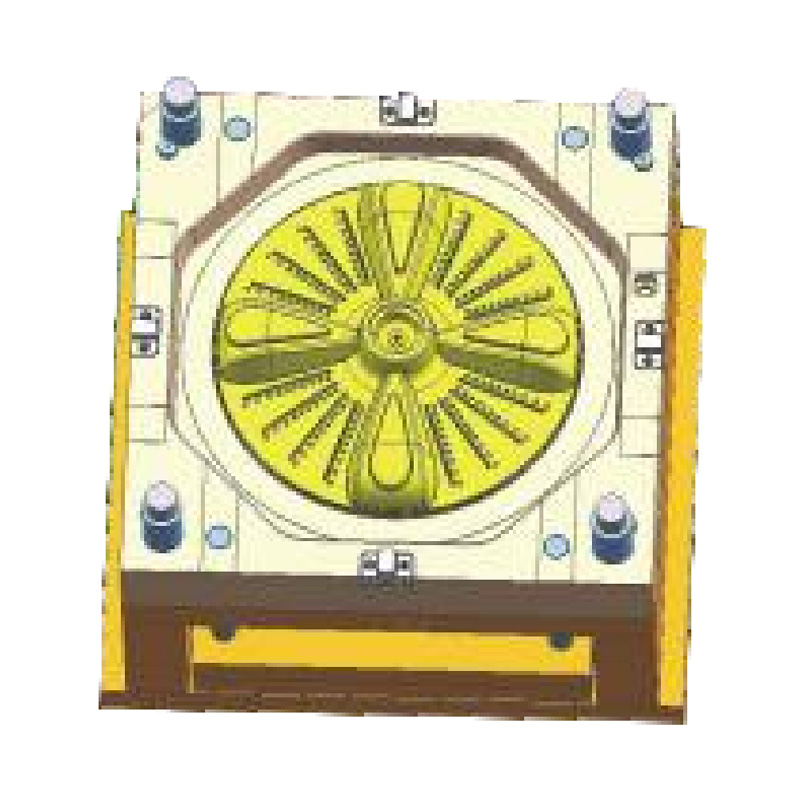
The plastic mold of the drum shaft impeller of the washing machine is ...
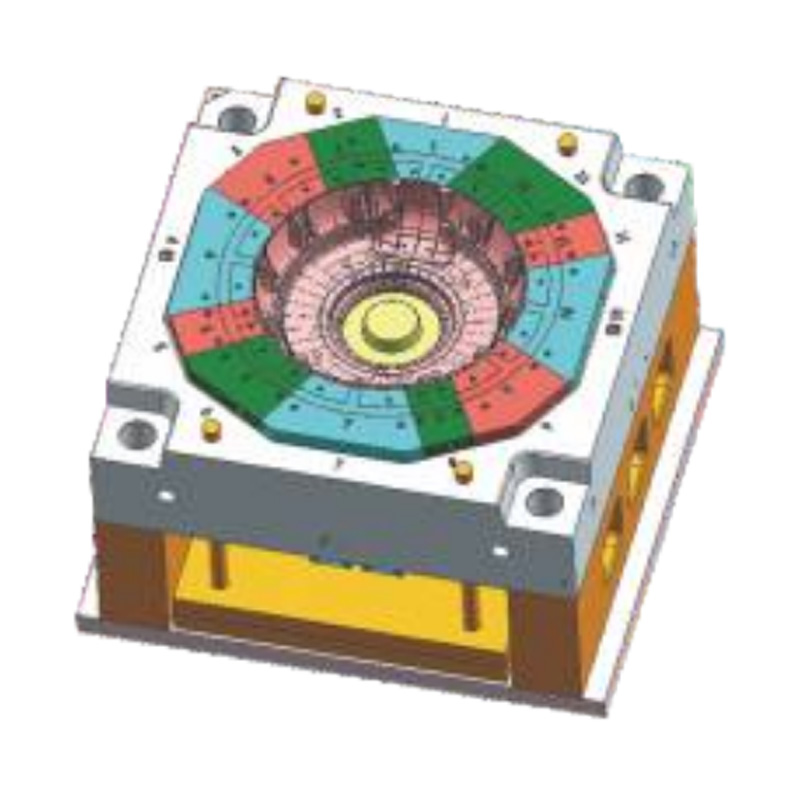
The circular ventilation and exhaust fan plastic mold is a high-precis...
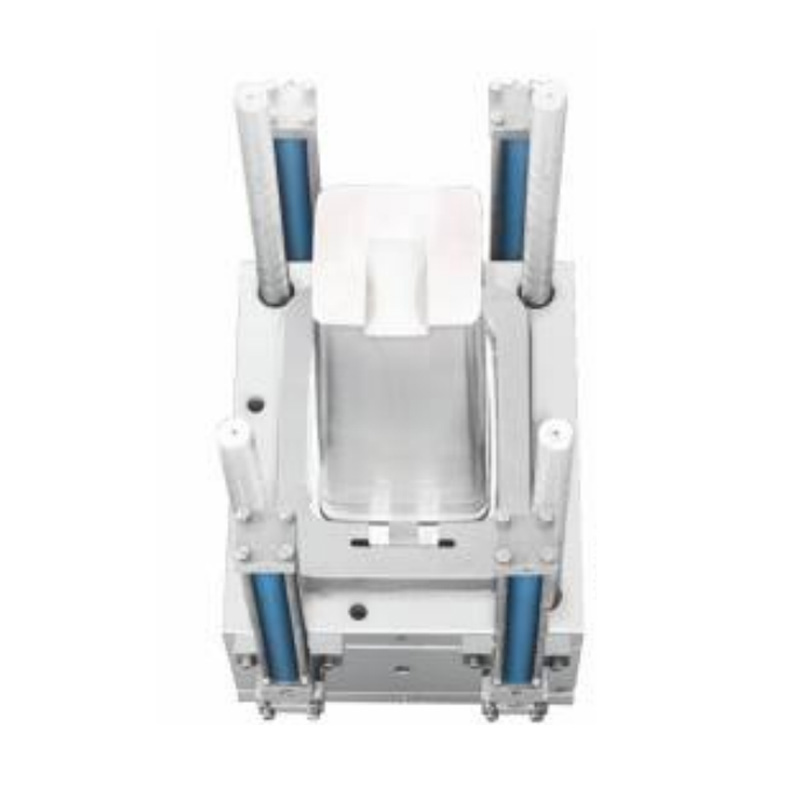
The household kitchen sealed pedal trash can mold is designed to meet ...
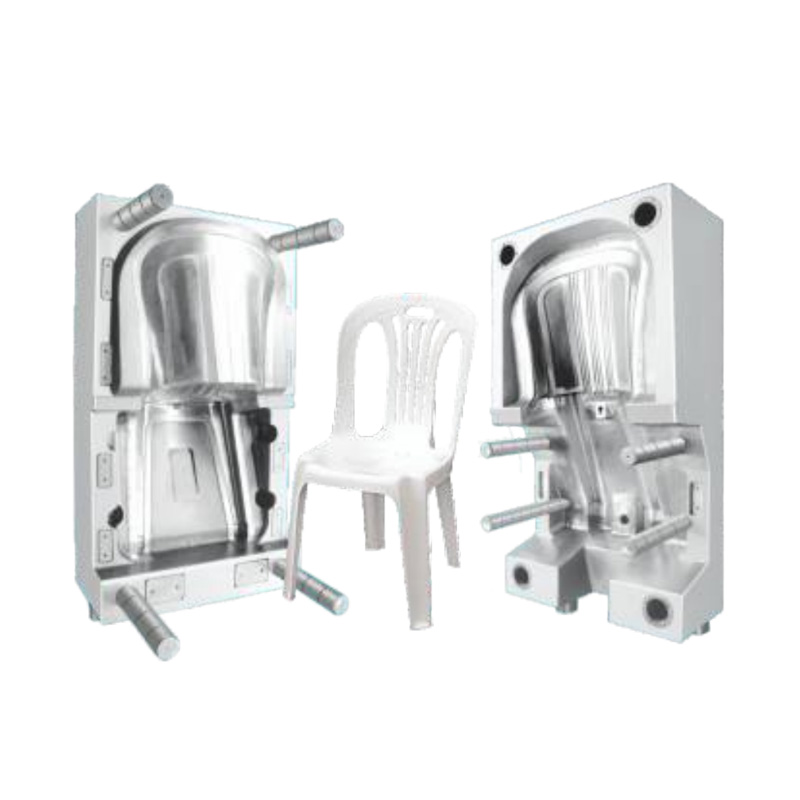
The armless plastic garden chair mold is a high-precision injection mo...
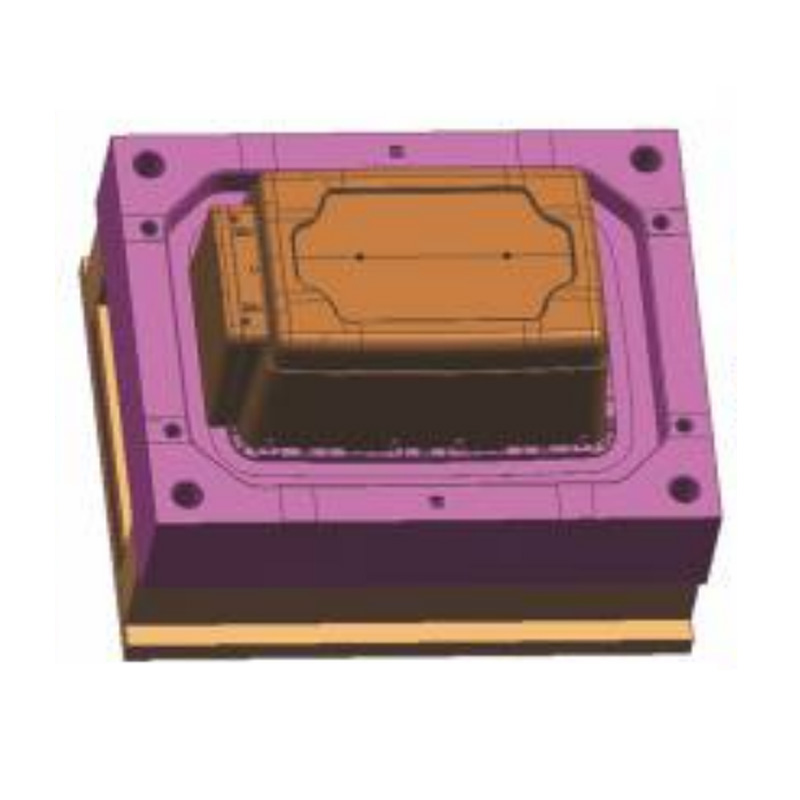
Portable plastic pet box mold for cat and dog consignment is designed ...
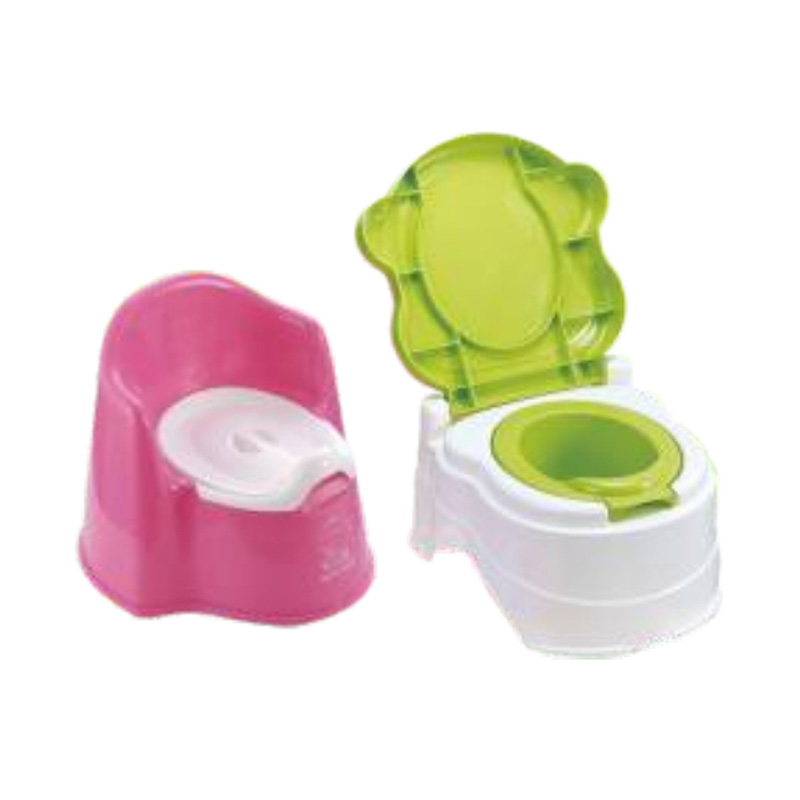
The plastic mold of the children's toilet trainer with a step stool is...
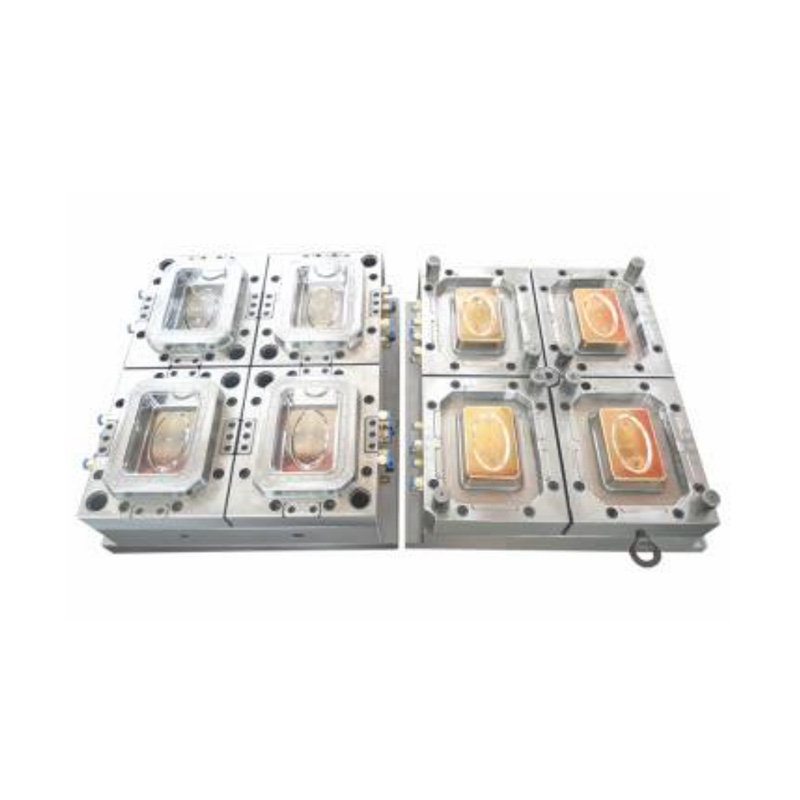
The thin-wall injection mold for square food containers with lids is a...
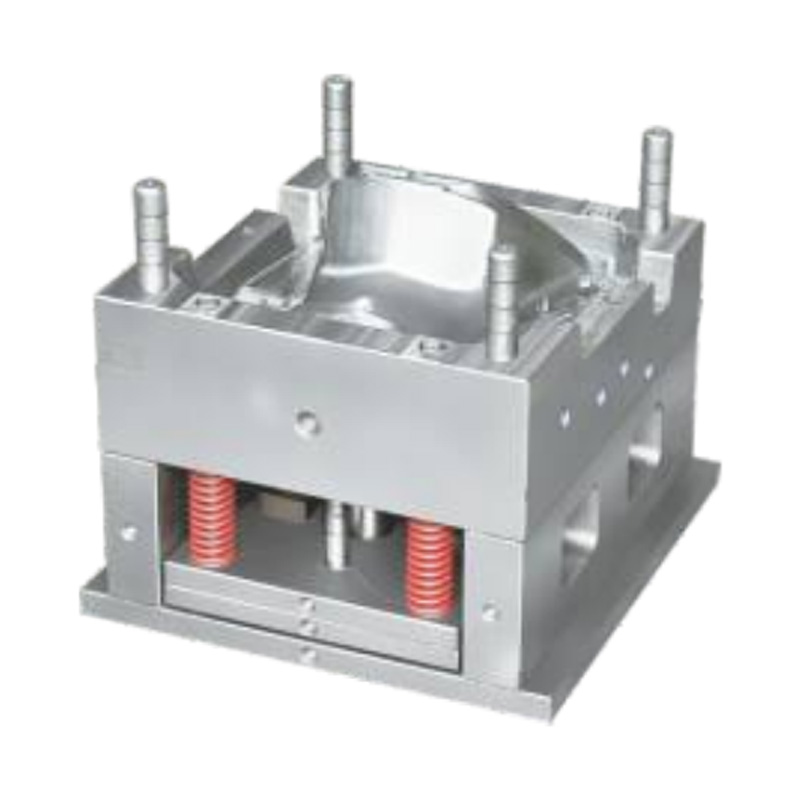
The motorcycle fuel tank cap plastic injection mold is a high-precisio...
Copyright © Taizhou Huangyan Jingnan Moulding Co., Ltd. All Rights Reserved

Plastic Injection Mold Manufacturer